
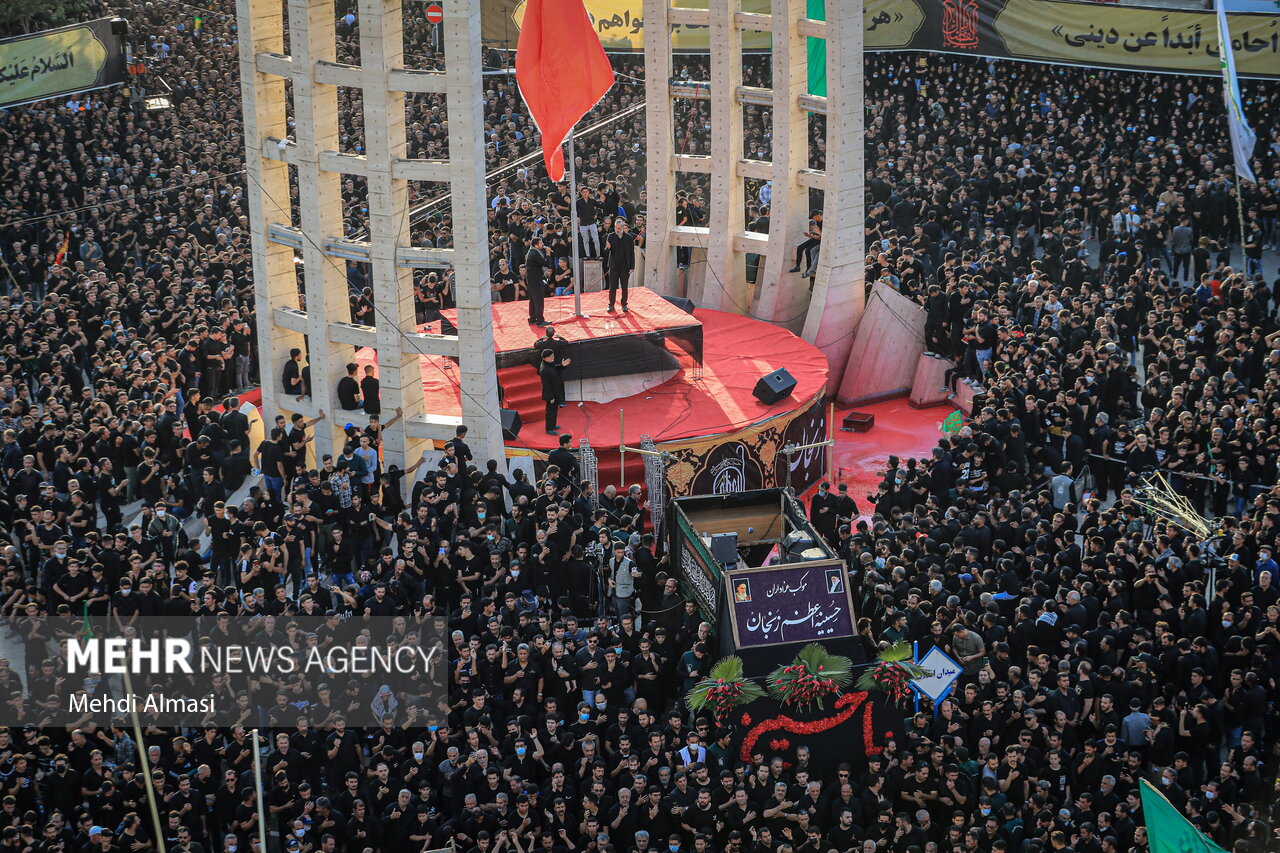
Muharam is the first month of the Islamic calendar. The importance of this month for Shia Muslims is due to the tragedy of Karbara and Imam Hussein, grandson of the Prophet Muhammad (Pbuh) and 72 of his faithful companions at the Battle of Karbara at Ashura Dei (Muharam 10, 61 Ah).
After the martialism of Muharram’s third Shia Imam, this month turned into a month of mourning rituals for the world’s Shia Muslims, and Asura Dei had a special importance in Islam.
Today, holding large-scale mourning rituals and rituals in Muslim communities around the world conveys the message “Every day is ashura, and all the land is Karbara.”
Like all Shiite Muslims around the world, Iranian people in all cities observe the rituals of the Muharam month of mourning, with local rituals and traditions, at various religious venues, to commemorate the brave martial religion of their beloved Imam.
Known as the capital of Imam Hossein’s passion and recognition (AS), Iran’s Zanjan state gathers hundreds of thousands of mourners from Iran and abroad each year to attend Zanjan’s great Hussenya mourning rites.
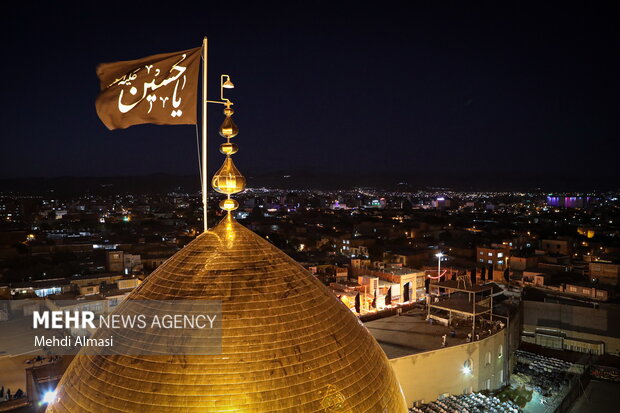
Zanjan’s great Hussenya, with a history of over a century, is one of Zanjan’s religious sites and is dedicated by two city benefactors, Haji Mirza Mohamad Nagi and Haji Mirza Babai.
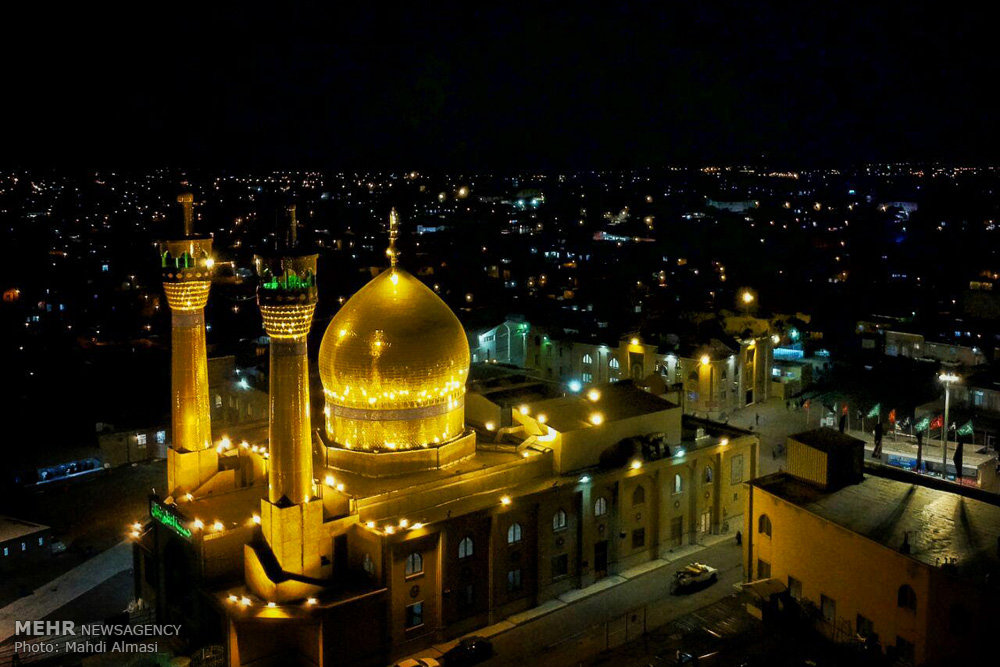
Zanjan’s great Hussenya is world-renowned for holding a large gathering on the eighth day of Muharam, known as Al-Abath Day.
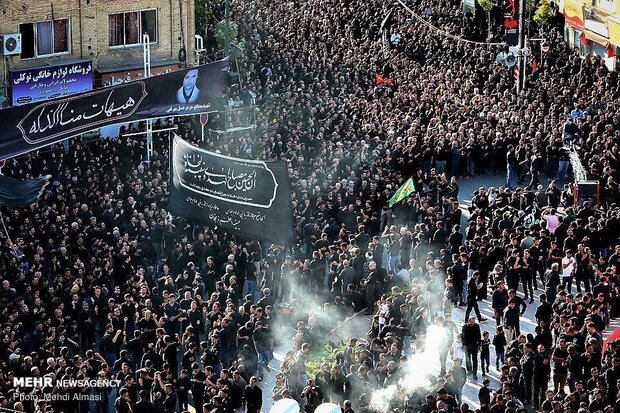
The famous gatherings and mourning processions of Zanjan’s great Hosenya are attended annually by almost half a million mourners on Al Abbas Day.
In this mourning procession, which takes place from daytime prayers to noon prayers, mourners in black show sadness by beating the drums and rehearsing sad poems with madda (compliments) singing sad poems in the concrete rhythms of Kalbala.
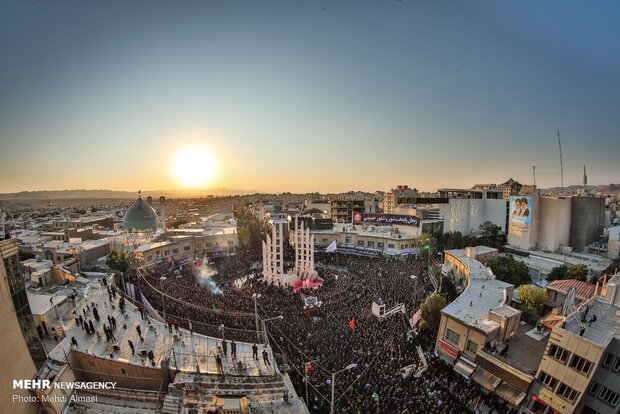
The grandeur of this procession and the presence of hundreds of thousands of people was so great that it was not seen anywhere in Iran.
Every year, this glorious event is broadcast live, allowing people all over the world to watch it through IRIB TV, foreign television channels and online platforms.
The procession of the great Hussenya of Zanjang, unique in its kind, was registered on January 4, 2009 as the country’s 10th cultural and spiritual heritage in the list of cultural heritage, tourism and handicrafts.
Zanjan’s great Hosenya is the second change in the Islamic world after Mecca
In terms of the number of sacrificial animals massacred in the Moon of Muharam, Zanjan’s great Hussenya is the first altar in the Shiite world and the second altar in the Islamic world after Mina in Mecca Holy City.
Helping the poor is about the fact that in Islam, thousands of sacrificial animals, such as camels, cattle, sheep and others, are donated to Husenya in Zanjan by mourners in Husenya.
In recent years, records have been registered that the mourners of Imam Hussein (AS) have sacrificed a flock of 12,000 people.
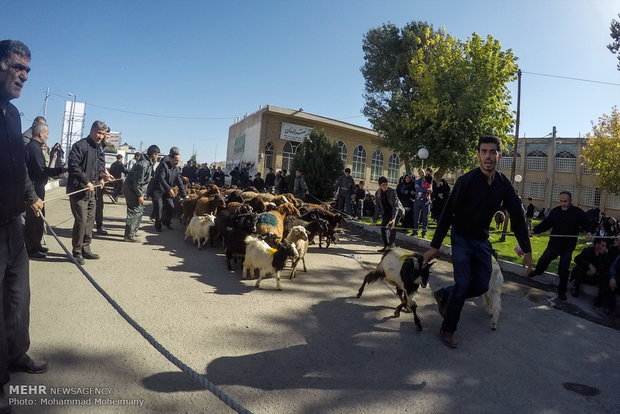
The meat of the victimized animals is distributed to the poor in the state to support their livelihoods.
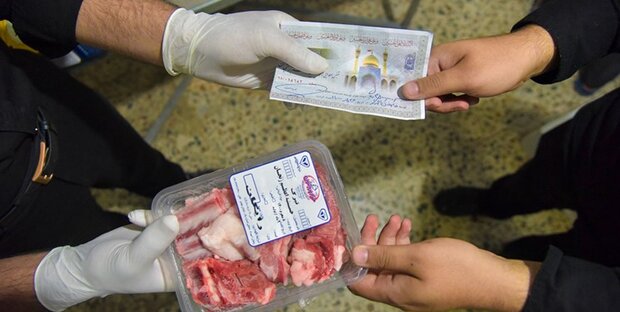
Also, a huge amount of money and money is donated each year by mourners and religious tourists, ultimately used in charity activities such as creating jobs for the schools, clinics, libraries and even the poor.
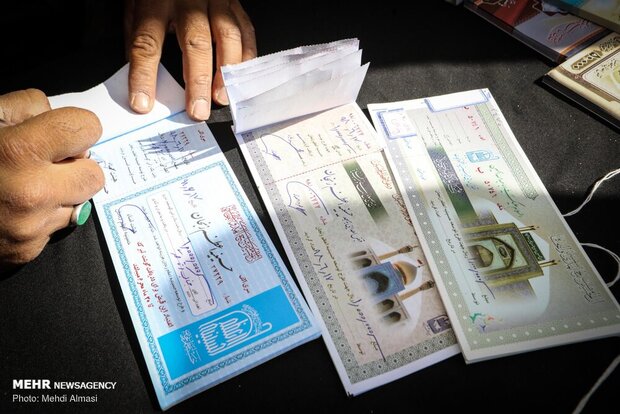
In Muharram 2021, a total of 4.5 billion Tomans were donated by mourners to Hosenya, Zanjan, one of the world’s largest Shia Muslim centres.
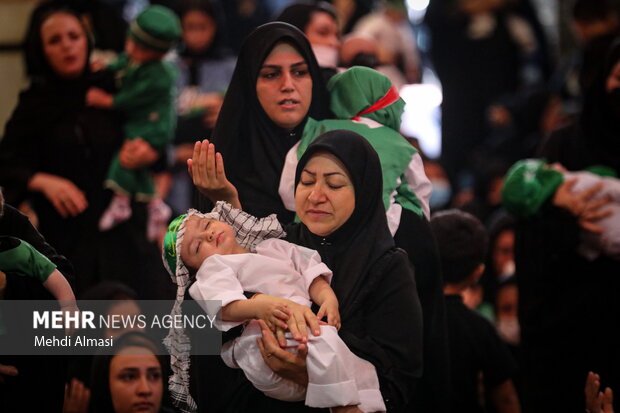
“Hosseini Infants” ceremony at Zanjan’s great Hussenya
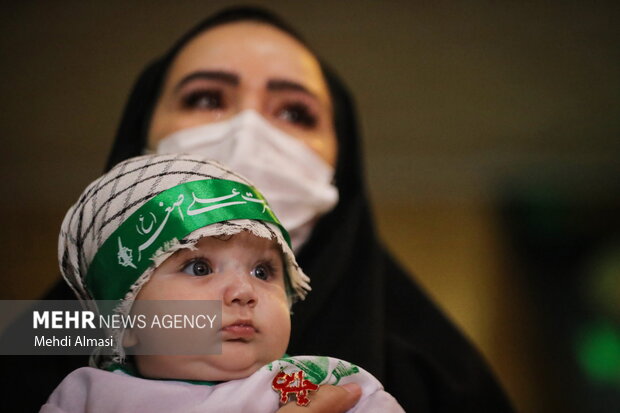
Every year, on the first Friday of Muharam, Husenya of Zanjan houses many mothers attending the “Hoseini Toddler” ceremony in commemoration of Ali Asghar (AS).
Reported by Marzieh Rahmani