
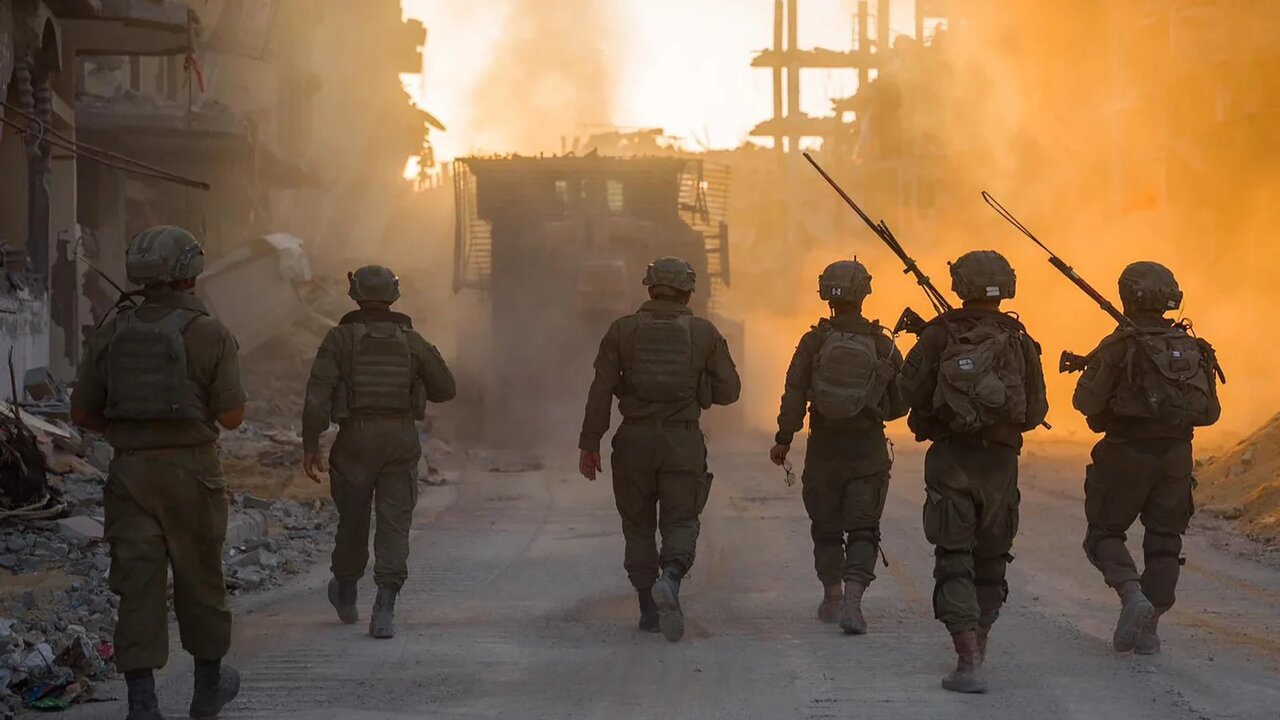
TEHRAN – The Gaza war that broke out on October 7, 2023 has become a defining crisis of our time, not only for its staggering human toll but also for what it has revealed about the erosion of ethical boundaries in modern warfare. More than 69,000 Palestinians were killed, many of them women and children. Despite the ceasefire announced last month, Israeli military operations continue unabated. What began as a response to Hamas attacks has now evolved into a campaign that many international observers describe as genocidal.
A recent Guardian report based on the ITV documentary Breaking Ranks: Inside Israel’s War provides valuable insight into the inner workings of the war, not from outside critics but from Israeli soldiers themselves. Their testimonies expose a culture of impunity in which civilians are arbitrarily killed, homes destroyed without justifiable reason, and human shields are used as tactical tools. These confessions are not only morally reprehensible; They are legally guilty.
Soldiers interviewed in Breaking Ranks say Gaza is a place of free movement, where rules of engagement have been replaced by suspicion and personal discretion. Civilians were shot for walking too fast or too slow. Help-seekers were shot at food distribution sites. One soldier told how a man hanging his laundry to dry was mistaken for a scout and killed by a tank shell. Another article describes the widespread use of Palestinian civilians as human shields.
These actions violate the Geneva Conventions and customary international humanitarian law, which prohibit the targeting of civilians, the use of human shields, and the destruction of civilian infrastructure without military necessity. The consistency of these violations suggests a systemic breakdown of legal and ethical norms rather than isolated misconduct.
Suspicion of genocide and legal measures
In September, the United Nations Independent International Commission of Inquiry concluded that Israel had committed genocide in Gaza. The committee cited incitement by Israeli leaders, including President Isaac Herzog, who declared that the Palestinian people as a whole were responsible for the October 7 attack. Such rhetoric, the UN argued, helped establish the intent required under the Genocide Convention.
The International Criminal Court (ICC) subsequently issued arrest warrants for Prime Minister Benjamin Netanyahu and former Defense Minister Yoav Gallant. Charges include war crimes and crimes against humanity, such as starvation as a means of war and deliberate attacks on civilian infrastructure. These legal actions mark a turning point in global responsibility for atrocities.
GHF and the politics of humanitarianism
The Gaza Humanitarian Foundation (GHF) was established with support from the United States and Israel to provide aid during the conflict. However, an account in Breaking Ranks describes GHF distribution locations as military zones where civilians were shot for food. This undermines the foundation’s humanitarian mission and raises questions about US complicity. By sponsoring the GHF, the United States appears to be diverting attention from its role in enabling Israeli military action.
The existence of the GHF became emblematic of broader problems of the politicization of aid and the use of humanitarian infrastructure to mask military aggression. When food lines become kill zones, moral failures are not just tactical, but systemic.
Israel pays off to allies
The war in Gaza revealed not only the brutality of Israel’s military strategy but also the fragility of international law when confronted with powerful state actors. Breaking Ranks’ testimony, UN findings, and ICC actions all converge on one truth: Israel committed war crimes, crimes against humanity, and genocide.
Justice requires more than condemnation. It demands accountability for Israel, its leaders, and the international actors who made this disaster possible. Now is the time for reckoning.