
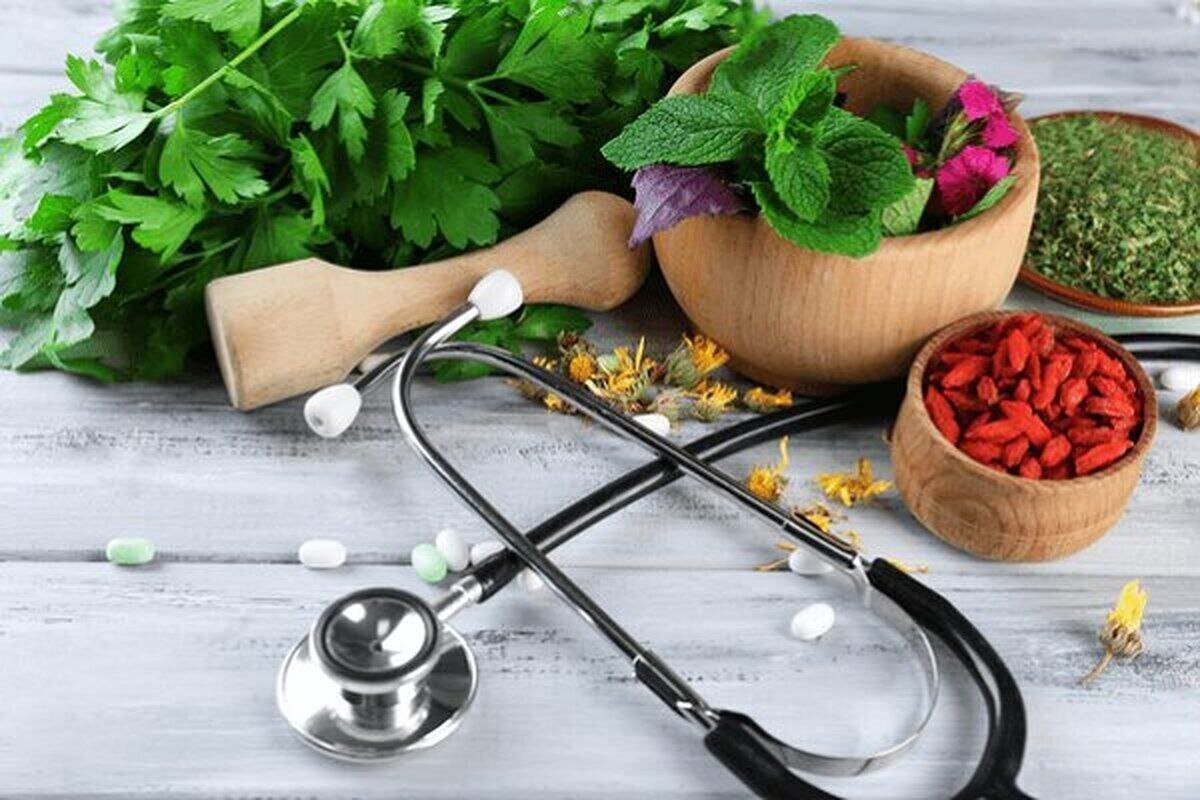
TEHRAN – According to a recent survey, 83.8 percent of Iranian citizens tend to benefit from Iranian traditional medicine, said the Director of Persian Medicine at the Ministry of Health.
The findings confirm people’s positive attitude towards Persian traditional medicine. However, only 10 out of 83.8% use traditional medicine or supplements to treat their illnesses, IRNA quoted Nafiseh Hosseini-Yekta as saying.
The official made the remarks while speaking at the 2nd National Congress of Persian Medicine, which will be held in Tehran from November 12 to 14.
People can get the most out of traditional medicine if both conventional and traditional medicine experts strengthen their cooperation based on an international approach. Otherwise, Hosseini-Yekta pointed out, there will be more cases of drug-disease interactions.
The 2nd National Conference on Persian Medicine brought together experts in Persian medicine, traditional medicine, and the history of Iranian traditional medicine.
The focus is on preventive medicine and lifestyle medicine. Personalized medicine, precision medicine, reticular medicine, Persian medicine. Food, nutrition, medicine. Traditional medicinal herbs, natural medicines, and pharmaceutical preparations. Rational drug prescription in Persian medicine. Technology, diagnostic and therapeutic tools. Manual therapy techniques. Medical tourism in Persia. History of Persian medicine and medicine. Persian medicine and the art of living. The same goes for integrative and complementary medicine.
The first national conference was held in May 2024. The main purpose of this conference is to deepen the understanding of traditional medicine and promote cooperation between experts from different medical fields. We also aim to globalize Iranian medicine by introducing the latest achievements and discoveries to the global scientific community.
Persian traditional medicine
Like many ancient medical systems, Persian medicine takes a holistic approach to health, emphasizing lifestyle factors such as adhering to a proper diet, moderate exercise, adequate sleep, and mental/emotional balance.
Roshanak Godz, associate professor of Persian medicine at Iran University of Medical Sciences, said many Persian medical treatments focus on restoring balance and increasing the body’s natural healing power.
“Knowledge accumulated over centuries of practice and research provides clinical insights and treatment approaches that complement modern medicine,” she said. “Preserving and making available this medical tradition allows people today to benefit from this historic natural healing system and its unique principles, but of course we also need evidence on the effectiveness and safety of traditional and complementary medicine, based on research methods appropriate for personalized medicine.”
God’s vision is a medical system that combines traditional and conventional medicine without bias. “Our future goal is to provide personalized, patient-centered care that approaches the patient’s mind, body and spirit,” she said.
Gods encourages policymakers to find the most responsible way to integrate traditional and conventional medicine and ensure that health care providers have knowledge of the different treatment options and how they interact or complement each other. “Our ultimate goal should not be to prove that one area of medicine is better than another, but to create a comprehensive health system that focuses on patient needs and preferences,” she concluded.
MT/MG