
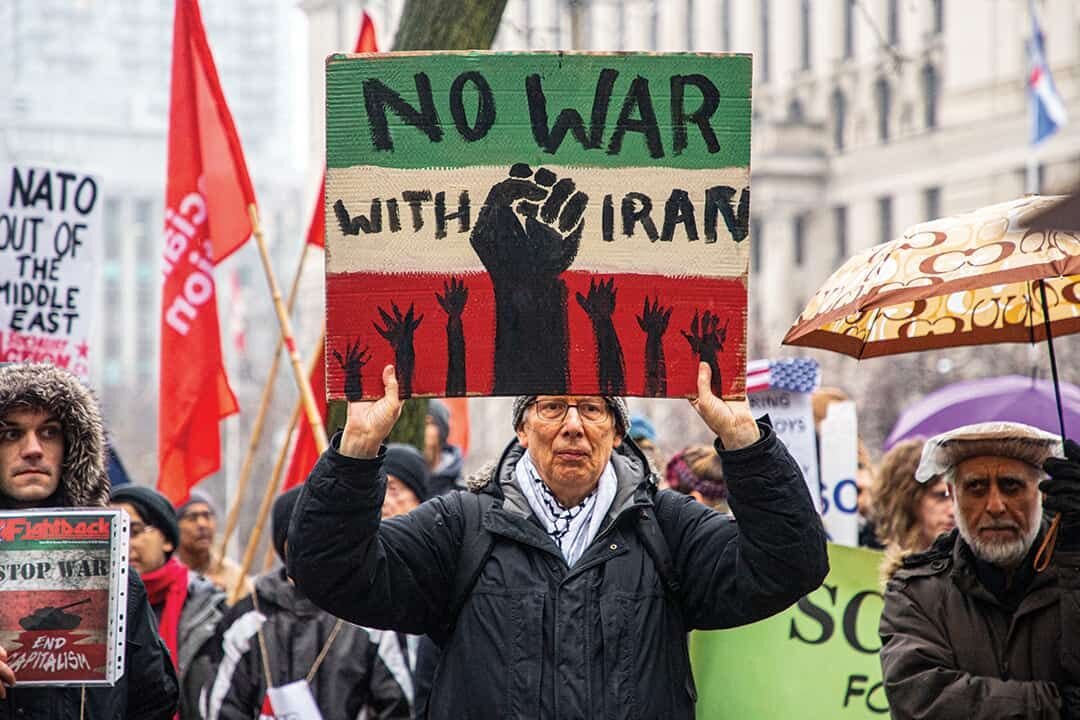
TEHRAN – On June 13, 2025, Israeli airstrikes against Iran sparked a strong wave of public responses around the world. Beyond the continent, ordinary people expressed solidarity with Iran, lamenting the loss of innocent lives and accusing many of them of viewing it as an unfair attack.
Social media platforms have become a vibrant space for voices united in sadness and rebellion, reflecting a global pouring of empathy.
Conflict context
The conflict began with an Israeli air attack targeting Iranian military and nuclear facilities, resulting in significant casualties. 610 Iranians, including civilians, women and children, were killed and 5,356 were injured, according to Iranian sources and human rights groups. Iran’s top military and nuclear scientists were among the victims, reinforcing the trauma of the people.
Global public opinion: Presentation of support for Iran
In the wake of Israeli airstrikes on Iran on June 13, 2025, social media platforms such as X and Instagram have become arenas where ordinary people around the world express robust support for Iran.
This wave of solidarity is not limited to political elites or official statements. Rather, it appears prominently from civilians who frame Iran’s stance as one of aggression and resistance to injustice.
Their voice challenges dominant Western narratives, highlighting perceived prejudices and providing an important counterpoint that calls for a deeper understanding of the human and geopolitical aspects of conflict.
A recurring theme in supportive posts is the role of Western media in shaping the condemnation of Israeli military action and public perception. Many users accuse the US and Israel of justifying the strike and spreading propaganda to demonize Iran. For example, one x Post states:
There has been no direct war between Iran and the United States, but the stupid American population is always buying what Israel sells. You will need to redo the American IQ check. If people are so stupid, they cannot be saved. ”
This comment encapsulates widespread dissatisfaction with what is considered an unquestionable acceptance of Israeli narratives, especially in western society. It emphasizes the belief that public opinion in these countries is manipulated and obscures the reality facing Iranians.
Other posts reflect this sentiment by highlighting the asymmetry of media coverage. Users point out that the lack of attention given to Iranian civilian victims and the destruction brought about by Israeli attacks are argued that global discourse is distorted in favor of Israeli perspectives. This perception promotes a wider sense of distrust of mainstream media and amplifies calls to alternative perspectives.
I praise Iran’s military response
Supporters frequently celebrate Iran’s military retaliation as an demonstration of strength and strategic capabilities. One widely shared X-Post states that “Iran will blow Israeli powers and Netanyahu’s ego with one ballistic missile. Iran completely destroyed the Mossad headquarters in Tel Aviv with one ballistic missile. The building was converted to “Ash Houses” after the strike. ”
Posts like this not only praise Iran’s military response, but also serve as a symbolic act of rebellion against what many overrecognize as Israel’s rog arrogance. Images of a single missile defeating a critical Israeli intelligence building resonate strongly with an audience seeking a story of empowerment amidst the conflict.
Additional posts highlight Iran’s strikes over strategic Israeli infrastructure, such as the Haifa Oil Refinery.
This messaging laughs at Israel’s vulnerability, highlights Iran’s aggressive sphere beyond Palestinian territory, and strengthens the image of Iran’s military effectiveness.
Solidarity between Palestine and anti-Zionist sentiment
Many civilians frame the Iran-Israel conflict in a broader context of Palestinian suffering and resistance. Expressions of solidarity with Palestine are common, with users praising Iran for confronting Israeli oppression.
“Thank you, thank Iran on behalf of the innocent Palestinian children. Now they have to be in peace,” and “Gaza remembers, and so does history,” reveal a deep sympathy and a shared sense of struggle.
This intersection between Iran and support for the Palestinian cause reflects the broader anti-Zionist sentiment that is common among many social media users. Iran’s actions are positioned as part of greater regional resistance to Israel’s policies, which are perceived as colonies and genocide.
The moral and historical condemnation of Israel
The tone of many posts is strongly condemning Israel as hypocrisy, genocide and moral bankruptcy. One user wrote: You called it “defense.” Now you are begging for mercy.
Another harsh declaration: “You wear your false morality like a mask, but the blood of your hands screams. You and Israel. You and Israel. We pray for your end, for the elimination from the earth.”
These statements represent not only anger, but also a deep rejection of Israeli policies and a call for accountability. They reflect a historical consciousness that links current events to past trauma experienced by Palestinians and others affected by Israeli military actions.
Regional and global aspects of public support
West Asia and North Africa: Support for Iran is particularly strong in this region where cultural, religious and political ties strengthen solidarity. Many civilians see Iran as a breakwater against Israeli and Western attacks, and social media is full of messages of encouragement and prayers for Iran’s resilience.
Asia and Latin America: Countries like India, Pakistan and Brazil show a growing sympathy for Iran, often framed through an anti-imperialist lens. Users criticize US foreign policy, express their praise for Iran’s rebellion, and link it to a broader struggle against Western rule.
Western countries: Despite official government support for Israel, it supports segments of its citizens, including activists and human rights advocates, voice criticism of Israel’s actions, and Iran’s right to self-defense. The protests and social media campaigns highlight Iranian civilian casualties and challenge the narrative of mainstream media.
Impact on conflict stories
The events of June 13 sparked a deep change in global public opinion and revealed widespread sympathy that transcends political boundaries. Beyond government rhetoric, ordinary people around the world face the sacrifice of human conflict, often challenging dominant narratives that obscure the suffering of civilians.
This ground of grassroots solidarity with Iran highlights the serious tension between formal diplomatic discourse and general sentiment, and highlights the limitations of traditional geopolitical frameworks that address complex realities.
As this collective awareness grows, it can affect international awareness and policy decisions, urging global communities to rethink their approach to justice, accountability and, ultimately, the pursuit of enduring peace in the region.