
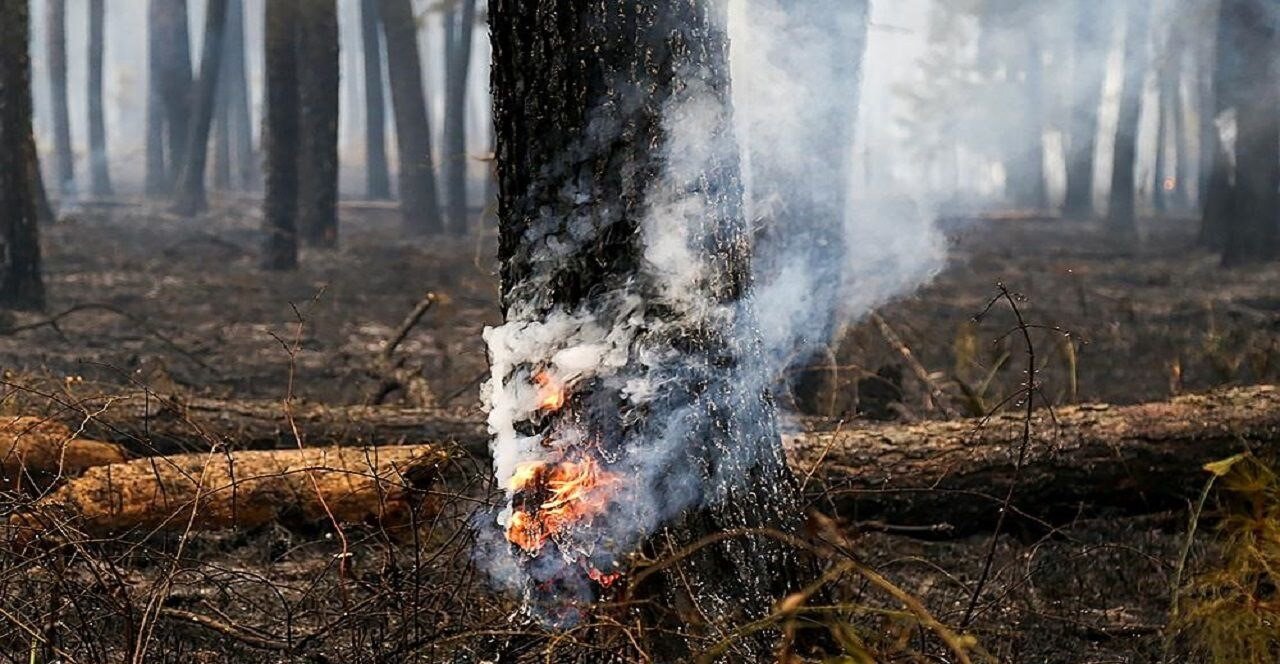
TEHRAN – Accommodating to a report by the Ministry of the Environment (DOE), around 9,000 hectares of forests and protected areas around the country were burning and suffering severe damage during the attack by the Zionist regime on June 13-24.
The war imposed led to vegetation destruction, soil degradation and animal species loss in areas with high biodiversity, ISNA reported.
Iran is one of the most biodiversified countries due to its significant climate and typographic diversity. Of the 11 ecosystems, 41 of the 42 known wetlands have been identified in the country.
The country has 8,660 plant species, about a third of which are endemic and unique. Additionally, approximately 35,000 invertebrate species and 2,362 vertebrate species live in the country.
Unfortunately, the 12-day war caused significant irreparable damage to these natural resources, with 13 protected forests and regions being significantly destroyed in Fars, Ilam, Kermansha, Isfahan, Kuzestan, Hamestan, Laurestan, Kohirueiye Boilamad and Gilan Provinz.
The war has resulted in increased mortality rates from the movement of vast wildlife species, traffic accidents, hunger and illegal hunting. Apart from the direct results above, indirect effects of war, such as ecological and food chain disorders, and loss of biodiversity, should be assessed in detail.
The DOE manages around 20% of the country’s territory, including 327 four zones, 211 hunting areas, 13 biosphere reserves and 226 wetlands (26 of which are of international importance).
Therefore, it approved necessary measures to deal with the environmental crisis caused by the country’s Zionist regime. It has decided to establish technical committees in all state organizations and departments.
Documenting environmental damage, managing hazardous waste, testing soils in affected areas, and developing integrated information systems were among other decisions.
“Nature, the quiet part of war”
Nature is part of our community, but unlike people, it is silent, and this silence is the most dangerous sign of that suffering, Iraj Heshmati said, DOE officials said.
Iran is a treasure trove of biodiversity, from ancient Hilakanuan forests in the north to mangrove forests along the south coast, to the heights of oaks-covered Zagros to the network of permanent, seasonal wetlands across the land. These habitats are essential not only for Iranians but for the entire planet. The IRNA quotes Heshmati as saying.
Referring to Iran’s UN resident coordinator, Stephen Pleenor’s sympathetic message following the 12-day war imposed by Israel on Iran, stated that these statements were humane, responsible and respectable, but not sufficient in terms of the fact that they could not include the environment. Support for Iranians becomes sustainable when the environment and nature is taken into consideration.
Sustainable development means meeting current needs without destroying the resources and opportunities of future generations. Within this framework, human health and the environment are interrelated, and protecting both is essential to maintaining the life and sustainable security of the country.
When missile attacks and explosions target parts of energy infrastructure facilities with some of harmful pollutants, including particulate matter, volatile organic compounds, and toxic gases from fossil fuel burning.
Noise pollution caused by the destruction of loud, affected homes, including birds, killed several species in both urban and natural environments, affecting trees and vegetation.
“The silence of birds, crumbling trees, and more polluted air means nature is not hurt, but not screaming. The environment is our quiet citizens, there is no right to vote, no shelter, no voice reflected in the media, but that is the basis of all our rights,” Heshmati emphasized.
mt/mg