
Tehran – About the Future – Some people have fewer children than desirable, affecting fertility decisions, such as climate change, environmental degradation, war, pandemics.
As global fertility rates are declining, prompting warnings about population collapse, the United Nations Population Fund (UNFPA) World Population Report shows that the real problem is a lack of reproductive institutions.
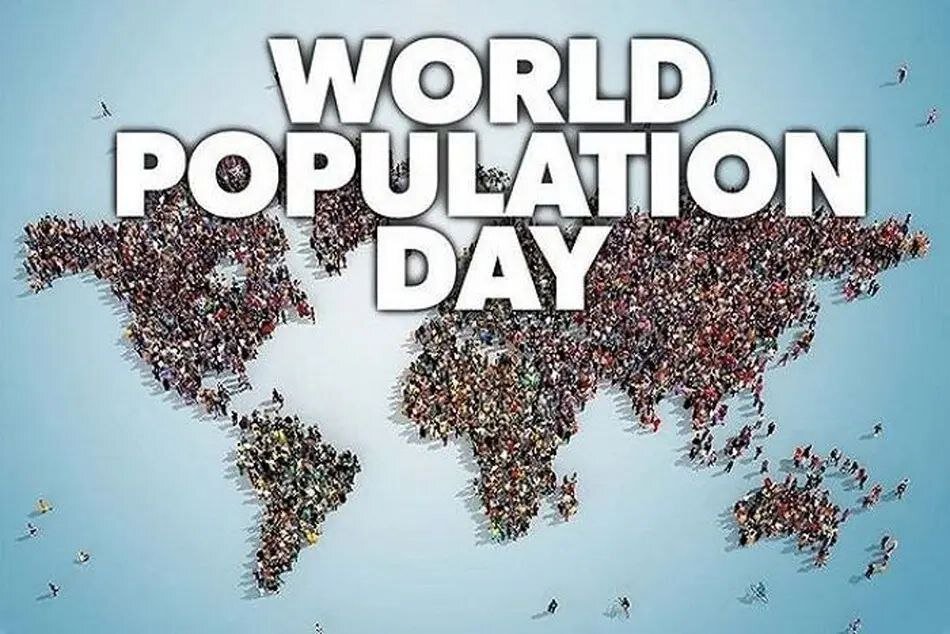
World Population Day 2025 highlights this challenge and focuses on the largest generation of young people ever.
This year’s theme, “Embrace young people to create the families they want in a fair and hopeful world,” calls for young people to ensure the rights, tools and opportunities to shape their futures.
Young people are already driving change, but face major obstacles such as economic insecurity, gender inequality, limited healthcare and education, climate disruption and conflict.
Economic factors, including housing, childcare costs and job anxiety, are major limitations on family size. 39% reported financial issues affecting their ability to have the desired number of children.
A UNFPA-Yougov survey of over 14 countries seeking more children, but was prevented by social, economic, or health barriers.
Leaders must prioritize the needs and voice of young people to effectively respond to global population trends. They need more than service – they need hope, stability and a future worth planning. As one young activist told UNFPA, “Youth are not just thinking about future children, they are thinking about the world that those children will inherit.” Supporting their rights is the key to sustainable development, peace and human dignity.
In Iran, National Population Week will be observed from May 14th to 20th under the theme of “children, life assets.”
This year, the days of the week were named as follows: Wednesday, May 14th, “Father, Mother, Feelings of Goodwill.” Thursday, May 15th, “Motherhood, Elixir of Young People.” Friday, May 16th, “Want a Child”; Saturday, May 17th, “My Lonely Child”; Sunday, May 18th, “I Want to Live.” Monday, May 19th, “My Old Age.” Tuesday, May 20th, “Child-Friendly Society.”
The enactment of the Youth Population Act has stabilized total fertility rates and has seen a slight increase in the general fertility index over the past two years. After experiencing a seven-year decline of about 20%, the birth rate remains stable at around 1.6.
The total fertility rate reached a downward trend from 1402 (2023-2024) in 1394 (2023-2024), leading to a downward trend from 1402 to 1401 to 1401 (March 2022-2023) in 1394 (2015-2016), resulting in a sudden decline in total fertility rate.
However, it is increasing concerns about the declining trend in population growth over the next few years and the possibility of turning Iran into one of the oldest countries in the world, Irib cited Mohammad-Javad Mahmoudi, an employee of a civil registered organisation.
“At best, Iran’s population with a total fertility rate of 2.5 will reach 102,890,000 over the next seven years,” Mahmudi said.
A key factor that contributes to a country’s lower birth rate is the cost of living. In fact, many families have chosen to have a smaller family size due to high inflation and the expensive real estate sector. The current trend of one child is common in many young Iranian families, many of whom must support older parents.
Due to financial constraints, marriage delays are another new trend. There is another factor, along with delays in marriage and the extended interval between births.
Many incentives have been introduced to encourage childbirth by Iranian welfare organizations and the Ministry of Health.
First, the medical and medical benefits provided to mothers who are giving birth include:
Free or subsidized prenatal care. The public health center offers free or low-cost testing, lab testing, ultrasound, and supplements (such as folic acid and iron).
Insurance coverage: Most health insurance plans cover the majority of pregnancy-related costs, including delivery (normal and caesarean section).
There have been major advances in infertility treatment. Today, 100% of fertility treatment costs are covered by health insurance, and Iran has emerged as a community leader in this sector. A monthly allowance is provided to certain programs, particularly for low-income families. and
Maternal Health Program: Government health centres provide maternal training and support (breastfeeding, infant care, etc.).
Second, maternity leave and workplace rights:
Maternity Leave: Women are entitled to 9 months (270 days) paid maternity leave, fully covered by Social Security.
Employment Security: Iranian labour law guarantees women’s right to return to work after maternity leave;
Reduced working hours: In some sectors, pregnant women may receive reduced working hours or lighter duties.
Despite being provided with incentives to encourage childbirth in line with the Youth Population Act, the desired growth of the youth population has not yet been achieved. This is one of the most important challenges facing the country.
According to the latest census, the number of senior citizens in the country has increased by 3.62%, five times faster than the total population growth rate, or 1.24%. For the time being, older women account for 52.3% of the total population, outweighing men (47.7%).
Aging of an individual means an increase in life expectancy. However, population aging indicates a change in the distribution of the country’s population, not a favorable indicator.
Due to declining birth rates and rapid growth in the country’s senior population, Iran is expected to enter the population stage between 2041 and 2046, with nearly a third of its population being over 60 in June by 2050, officials at the National Population Headquarters said in June.
A recent report shows that the number of Iranians over the age of 65 is currently 7.5 million, accounting for less than 10% of the country’s total population, TV quotes Marmir as saying.
However, in Iran, the population aging rate is rapidly increasing. This is primarily due to lower birth rates, increased life expectancy, and other demographic trends.
Officials said Iranian baby boomers in the 1970s and early ’80s, which now account for a significant portion of the country’s population, will be considered elderly in the next 15-25 years.
“This structure changes require serious planning,” Marmir said.
He said a single elderly person accounts for 31% of Iran’s total elderly population, and that the category will expand in the near future to significantly increase pressure on Iran’s health and pension schemes.
Officials added that the majority of Iran’s elderly population lives in rural areas of the country, with the northern provinces of Gilan having the oldest population, while the southern parts of Xestan, Hormozgan and Sistan Balusestan are more demographically well placed than other regions.
He noted that about 62% of female seniors and about 39% of male Iranians live under the absolute poverty line.
mt/mg