
Tehran – Iranian survivors of the chemical warfare have written a powerful open letter to German Prime Minister Friedrich Merz, accusing Berlin of decades of policy of a “dirty proxy war” against Iran.
The letter, which was also sent to the German ambassador in Tehran, was written in response to Prime Minister Mertz’s recent description of Israel’s actions as “dirty work.” Iranian citizens interpreted the phrase as an obvious recognition of Germany’s indirect role in supporting attacks and war crimes in West Asia.
“Your comments have been delayed, but have unintentionally exposed the reality of German foreign policy, but the pattern is clear – Yoteldei, Saddam, today, Netanyahu,” the letter states.
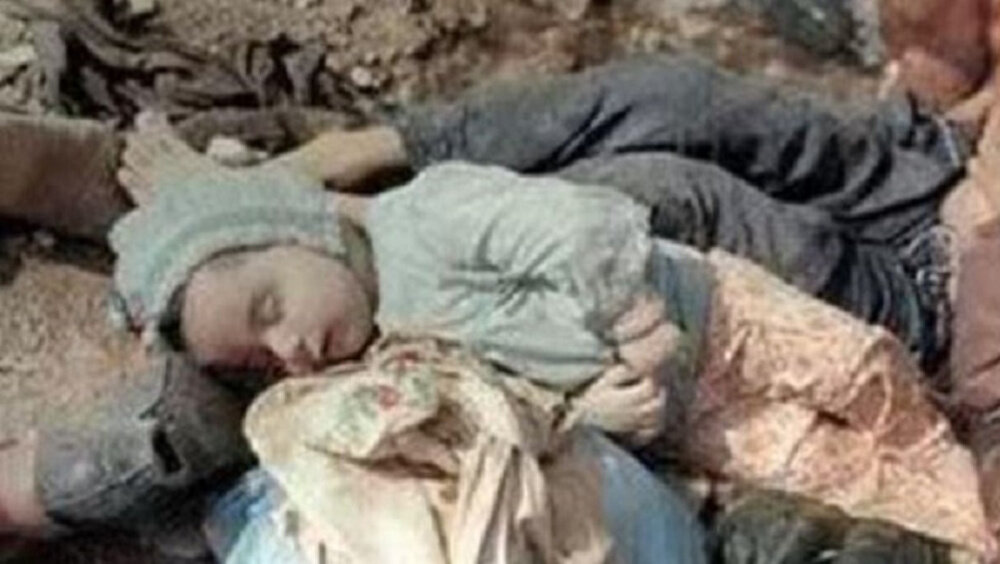
The author recalls Germany’s infamous role in arming Saddam Hussein with chemical weapons during the Iran-Iraq War of 1980 and 1988. During the course of the conflict, Iraqi forces launched more than 500 chemical attacks on Iran’s border regions, killing at least 10,000 people and wounding more than 107,000 people. Toxic agents such as mustard gas and nerve agents have been widely used, leaving a long-term trajectory of suffering that continues to this day.
“The world has not forgotten that 40 years ago, Germany provided Saddam with tools for chemical warfare. Thousands of people have been marching, hundreds of thousands have been poisoned. The wounds are still visible.
The writer continues to condemn Germany’s current military and political support for the Israeli regime, particularly during the latest campaign of attacks on Palestinians and regional states. The letter denies Berlin and its western allies for systematically blocking international sanctions against Israel and protecting its leaders from accountability at the Global Forum.
“Whether in public or closed doors, Germany and its allies continue to protect the regimes responsible for crimes against humanity,” it adds.
In a direct appeal to the German Prime Minister, the letter urges Berlin’s reliance on “dirty tools” to achieve its strategic goals and moves towards policies based on international law, human rights and regional respect.
“Don’t taint the German country by supporting war criminals. Don’t support Hitler’s modern version in Netanyahu’s form. History remembers. Don’t stand on the wrong side,” the letter warns.
The strong message of this letter is emphasized by the author’s own experience as a survivor of mustard gas exposure. This is an experience exacerbated by the fact that many of today’s victims are still denied access to appropriate treatment due to ongoing Western sanctions in the Iranian health sector.
The Saldasch chemical bombing of June 28, 1987 is cited as a symbol of this enduring injustice. That day, the Jets in Iraq dropped mustard gas on civilians in the northwestern Iranian city, killing at least 119 people and injuring more than 8,000 people. Many of the injured are disabled to this day.
The Iranian Association of Officials and Victims has repeatedly denounced the role of Western countries, including Germany, the Netherlands, the UK, France and the US, enabling Saddam Hussein’s chemical warfare programme through the supply of equipment, precursors and technical expertise.