
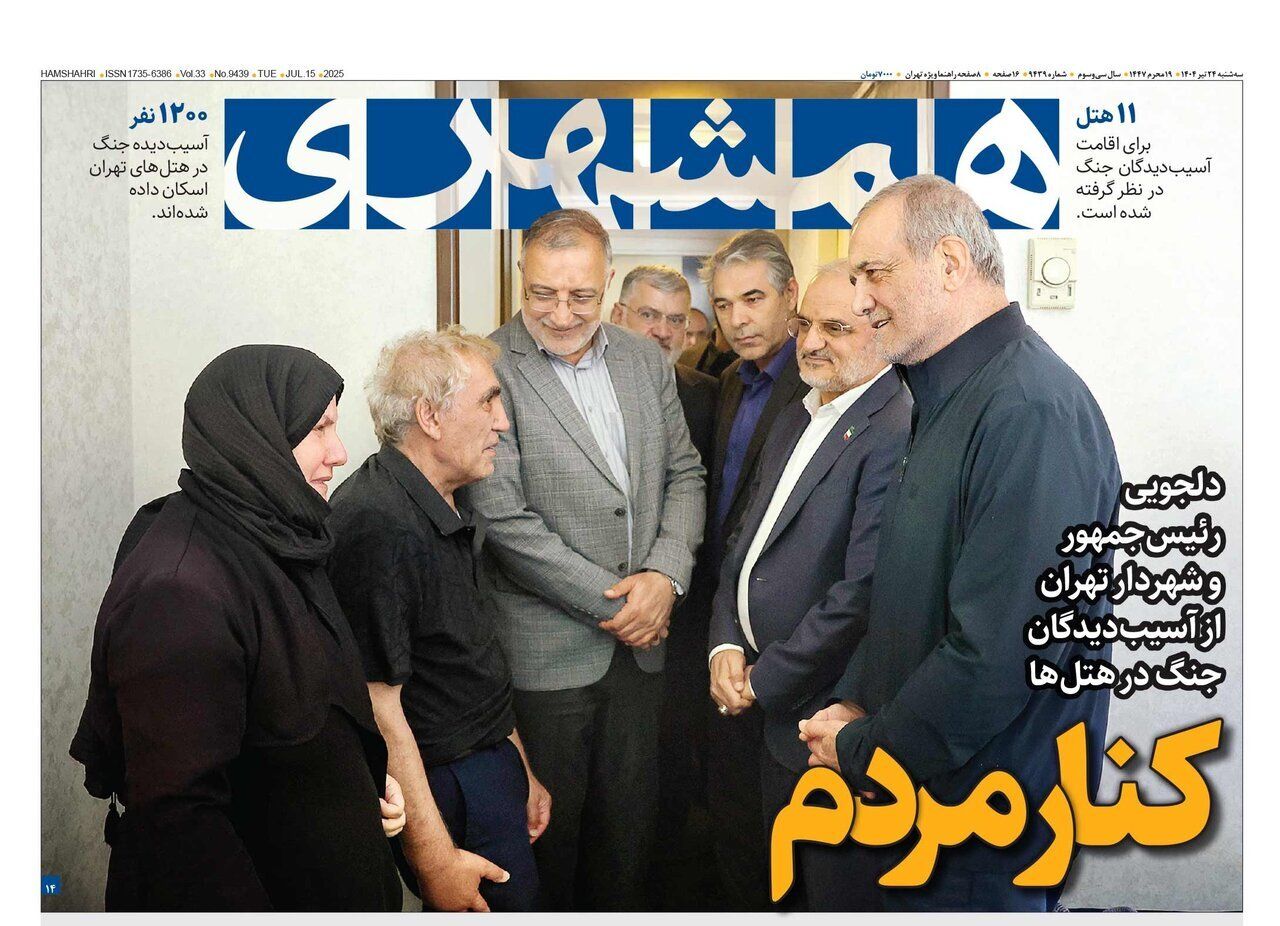
Tehran-Hamshari analyses the threats that will activate the snapback mechanism by Europeans. For a while, three European countries, which are members of the JCPOA, have claimed they are ready to threaten Iran and activate the so-called snapback mechanism.
This claim, which is political and aims to put pressure on Iran, certainly not costly for Europeans. Following recent political and security developments, particularly the 12-day invasion of Iran’s territory by the Zionist regime, old but sensitive debates regarding the “implementation of a snapback mechanism” have been revived at international levels and at European circles. A mechanism that allows for rapid and automatic revenues of international sanctions against Iran, based on Security Council resolution 2231. According to Araghchi, three European countries believe that snapback tools are empowering them to play a role in Iran’s nuclear issue. However, this is a misconception, and as these countries move towards revitalizing snapbacks, it becomes more complicated to resolve Iran’s nuclear issue. A mistake made by Americans relying on military options.
Siasat-e-Rooz: Security Link
Siasat-e-Rooz will dedicate his editorial to the trilateral meetings between the interior ministers of Iran, Iraq and Pakistan in Tehran, and will be able to maintain scope for effective security decisions along with meetings with neighbors and meetings with interior ministers of Iraq, Iraq and Pakistan. The West failed to implement its goals despite strong support from the Zionist regime. Given this reality, the West is trying to redefine new capabilities that terrorism can undermine the security of the region. By moving terrorist groups from Pakistan to several regions of Iran and strengthening the role of ISIS in Iraq, convergence between regional countries will become more important in countering terrorism. Tehran is currently attempting to use an interactive approach with all its neighbours, highlighting the need for a united front against terrorism and placing its capabilities and facilities in the service of regional countries in the fight against terrorism. The holding of the trilateral meeting is a sign of resolve and commitment to Iran’s neighbours, particularly in the fight against terrorism.
Ham Mihan: Activating snapback sanctions will make Tehran and West ties even more tense
It has been 10 years since the JCPOA signed between Iran and six world powers. If the JCPOA commitment had been implemented in accordance with the agreement, today the Iranian lawsuit would be in the regular state of the International Atomic Energy Agency’s Governor’s Committee, and the previous Security Council resolution would have been cancelled forever the following fall. However, in 2018, Donald Trump withdrew the United States from the agreement. In Donald Trump’s second administration, indirect negotiations have begun between Iran and the US for a new nuclear deal, but Western groups, including the US and the remaining three European countries, do not seem to accept the common principles that led to the JCPOA conclusion. Western countries argue that Iran must succumb to its greatest demands and stop enriching uranium forever. European countries are threatening that if Iran does not respond proactively to its demands to abandon its nuclear program and halt its nuclear program, it could activate snapback mechanisms, change Iran’s Western relations for a long time, and make it more tense than ever before.
Iran: Beijing’s new role
In the article, the Iranian newspaper discussed Aragut’s visit to China, saying: The purpose of this visit is that Iran looks to partners in the East as permanent members of the Security Council, seeking to revive the capabilities of multilateralism, particularly in the form of institutions such as the Shanghai Cooperation Organization and BRICS. The rising tensions with Europe, especially in the wake of repeated threats to activate snapback mechanisms, have actually reinforced the perception that Tehran no longer views Europe as a neutral or effective actor in the process of activating the JCPOA. As a spokesman for the Ministry of Foreign Affairs warns, mentioning the failures of European countries, relying on this mechanism in the current situation means actually eliminating them from the negotiation process. This is not only undesirable for Iran, but could also lead to a direct disadvantage for Europe in the equations of the future. In this context, a scenario of more aggressive entry into a case can be an effective step. If realized, a step that allows for the creation of a new model of nuclear diplomacy.