
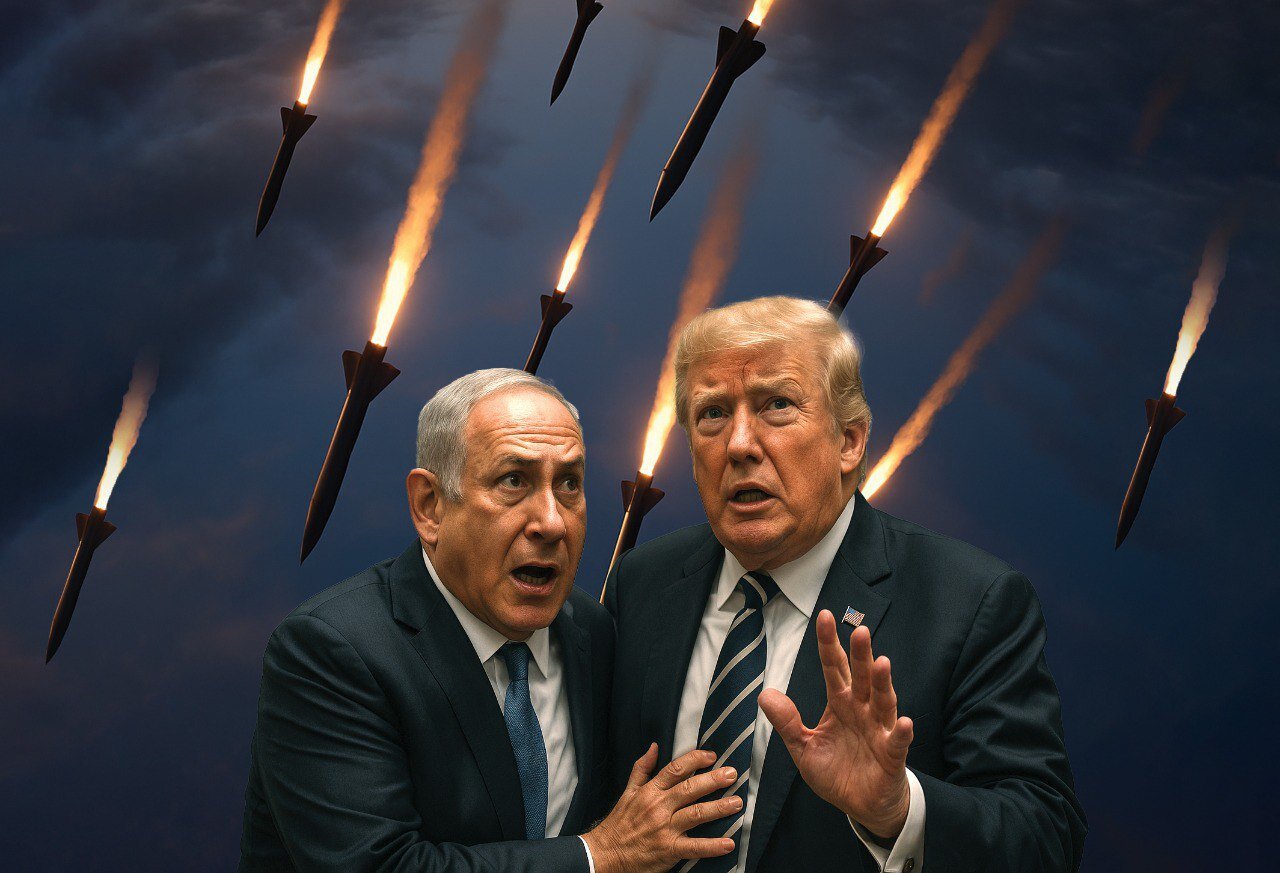
TEHRAN – In the midnight of the night on Friday, June 13th, 2025, just two days before new Iran-US negotiations to diplomatically resolve Iran’s nuclear issue, Netanyahu launched a shocking attack on Iran, which had been made for years.
Iranian commanders, along with Iranian scientists and the country’s air defense system, were targeting savage targets. Israel stepped out to carry out “dirty work” with the support of major Western countries that provided Netanyahu with all the necessary information either directly or through the International Atomic Energy Agency.
Convinced with his intellectual superiority, Netanyahu began operations of a combination registered with a wide range of targets, ranging from terrorist acts to media warfare, beyond the Iranian nuclear program. Surprise was a key element of this aggressive manipulation.
However, Netanyahu soon met a huge unexpected surprise from Iran.
First Surprise: A Unity Country
The first and perhaps most influential surprise Netanyahu and his Western supporters encountered was the surge in Iran’s patriotism in defending the country’s sovereignty over foreign military interventions. Many explanations of Iran’s patriotism during this period attracted the attention of both friends and enemies. From activists known for opposing the policies of the Islamic Republic to Iranians living abroad who have no history of sympathy for the government, sending unified messages to their enemies, Netanyahu’s Zionist regime is the enemy of Iran and all of Iranians, and the enemy of all of them.
Alongside the ongoing Israeli bloodshed in Gaza over the past two years, records of foreign attacks in Iranian neighborhoods have undoubtedly strengthened Iranian hatred for Israel, and foreign interference, Iranian nationalism and patriotism have a history that has taken almost years. Regardless of government, ruler type, or ethnicity, Iranian people have an unconscious, historically informed, negative view of foreign interventions.
Israel cashed out decades of internal dissatisfaction with Iranian phobia media campaigns and economic hardships, and assumed that with the first serious assault on Iran’s chain of political and military decision-making, ordinary people would cheerfully welcome the invaders as saviors. This simple fantasy quickly hit a hard wall of reality.
A comparison of Netanyahu’s early statements with those on the last day of the attack clearly shows his surprise. The number of civilian casualties, including women and children, and the extent of the attack on Israeli civil infrastructure, confirmed the correct sentiment of Iranian people. This not only mobilised social cohesion and patriotism, but also furthered the hatred of Israel within Iran.
Second surprise: Iran’s unbreakable command chain
The second surprise for Israel was Iran’s extraordinary ability to quickly restore its military security and defense decision-making structures. In the first hours of the attack, Iran’s highest military commanders and operational ranks were targeted and martialed. Such events were made possible through a collection of detailed and accurate intelligence, field presence, and terrorist methods. Such assaults would not bear in the majority of countries because of their scope. Israel had expected the war to end before Iran’s command and control chain was rebuilt. However, it only took a few hours for Iran to retrieve the C4 and the successor of the martial commander to take control of the war room.
Even if Israel targeted and killed a new commander, Iran’s defensive operations did not experience a disruption. A veteran terrorist with decades of war and bloodshed experience, Netanyahu is well aware of the importance of the chain of command in this type of manipulation. But he seriously underestimated one point. Iranian commanders have faced foreign attacks for the past 40 years, from the US to Saddam Hussein and Israel.
Many of them have roots in Basij and Revolutionary Guards, which were formed and trained as irregular forces during the eight-year imposed war by Iraq. Meanwhile, Iran’s supreme leader and commander-in-chief have been intimately familiar with all commands in tier 1 and 2 for decades, and he can quickly appoint other capable individuals as successors, even if dozens of commanders are targeted.
Third Surprise: Iran’s Indomitable Retribution
The third biggest surprise for Netanyahu, who ultimately urged him to seek a ceasefire through Trump, was the resilience and immobility of Iran’s military and defence forces. During the first hours of the Israeli attack, many of Iran’s military facilities and air defense systems were targeted, and the damage became even more severe in the next day’s attack. However, this situation did not stop Iran from responding to Israel’s attacks until the last minute.
Despite continuing attacks at bases and launch sites, and despite being tracked down until reaching Israel after Iranian missiles were fired, Iran was able to maintain retaliation, breaking seven years of control in Israeli regions. For the first time, Israel was forced to drink the poison it had long imposed on its neighbors with immunity and retaliation.
Iran’s claim that Israel started the war would seem unrealistic at first. However, despite the damages, Iran finally managed to prove its point. Israel prevented Iranian missiles from becoming widely known through censoring traditional military news during the war. However, reports emerged after the war revealed the extent of their success. The spare iron dome interceptors were almost exhausted.
In effect, due to Netanyahu’s mischief, Israel has now come closer than ever to existential threats. For decades he had falsely accused Iran of pose such a threat to Israel.
In complex military terroristic operations carried out with full support and involvement of Western countries, particularly the United States, Iran’s peaceful nuclear facilities suffered significant damage, with a considerable number of senior military commanders and Iranian scientists marching. However, Iran still appears to have more surprises with Kovfah for Israel and its supporters. Perhaps when they contemplate to attack Iran, they think twice, or even more.
The Persian proverb, once used in dissonance by the UN’s Israeli foreign minister, appears to be fully applicable to his terrorist prime minister.
Mohammad Hassaninejad, Director of Iran’s Ministry of Foreign Affairs, Int’l Peace and Security