
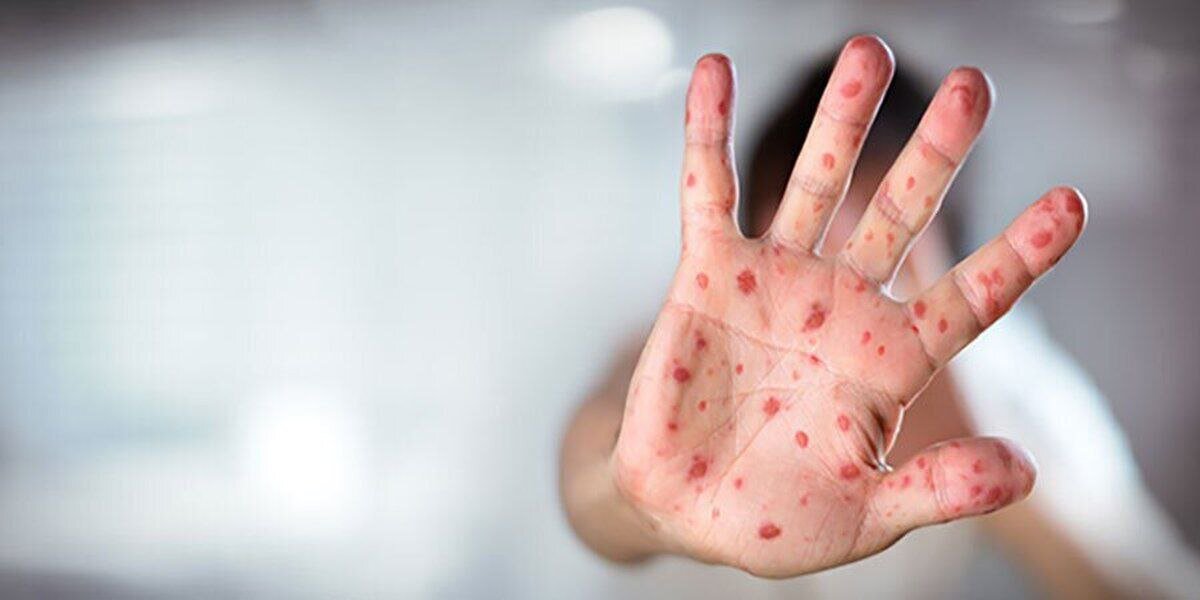
Tehran – The Regional Verification Committee for Measles and Rubella (RVC MR) belonging to the World Health Organization (WHO) examined the country’s elimination of two diseases in 2023.
Measles is a potentially fatal disease. Severe complications include pneumonia, diarrhea, blindness, and encephalitis (brain swelling). The measles vaccine (two doses) is administered at 12 and 18 months.
Iran’s measles vaccination programme began in 1984 when 34% of the population was vaccinated in the first year, and six years later, 90-95% of the population was vaccinated. Additionally, in 2003, 33 million people were vaccinated in a national program to eradicate measles in the country.
According to Isna, Hanna Barki, hood director of the Eastern Mediterranean Regional Office (EMRO), in a letter to Health Minister Mohammad Reza Zafarkandi, praised the Ministry of Health’s efforts and achievements in the elimination of measles and Rebera.
According to EMRO’s report on the 7th RVC MR, Iran has successfully met all criteria for the elimination of measles and rubella.
This outcome is the result of coordinated planning, extensive vaccination, epidemiological surveillance, and comprehensive participation in the national health care system. This is a turning point in improving public health and strengthens Iran’s position in achieving goals at both regional and international levels.
Measles vaccination
In April, Deputy Health Minister Alileza Reisi said that about 98% of the target population for the national program for vaccination against measles had been vaccinated.
However, 100,000 to 20,000 children under the age of one have not yet been vaccinated, and about 5% of vaccinated individuals develop measles, the IRNA quotes Raeisi as saying.
In April 2023, the World Health Organization confirmed that measles and rubella had been eradicated in Iran.
However, concerns about the spread of measles in the country are growing. Destroyed vaccination programs in countries like Afghanistan and Pakistan are the main risk factors that threaten the health of Iranians, Leshi stressed.
Approximately 603 measles have been identified over past Iranian years, which ended on March 19th. Iran and foreigners account for 91% and 9% of cases, respectively. Chabahar, Ahvaz, Hormozgan and Zahedan had 97 patients, 86 patients, 72 patients and 68 patients, with the highest number of infected cases, officials noted.
Approximately 33% of cases are infants under the age of 1 year old, with 30% of children aged 1 to 4 years old. Sadly, four infants under the age of six lost their lives primarily due to malnutrition or underlying medical conditions, Raeisi added.
So far, around 82 confirmed cases have been reported in Iran since the beginning of the current year, officials said.
In May 2024, Iran received a total of 160 measles antibody kits with the help of the World Health Organization (WHO) and the European Civil Protection and Humanitarian Aid Operations (ECHO).
The procurement was intended to enhance Iran’s ability to diagnose measles.
The kit was donated to the Iranian National Institute of Measles Reference, which strengthened its capabilities and diagnosed measles, reported on May 12, 2024 by the website.
The report said it has procured and provided the kit to the National Influenza Centre, which will serve as the National Measles Reference Institute for Measles, Rubella and other respiratory infections.
“Providing antibody antibody kits to the Islamic Republic of Iran is a critical step in strengthening the Islamic Republic of Iran and its ability to effectively detect and respond to measles outbreaks and maintain its position in measles elimination,” said Syed Jaffar Hussain, representative and mission director of Iran’s Iranian Antibody Kits.
Measles remains a major public health concern worldwide, and timely and accurate diagnosis is important for effective outbreak response.
mt/mg