
Tehran – The home, once a safe haven for residents, was reduced to tile rubs by missiles during the 12-day attacks of the Zionist regime. In line with the bitter memories of the night and their lasting physical and psychological sacrifices, survivors describe these ruins as “a mirror of despair.”
The Zionist regime’s attack on Iranian soil did not end in 12 days. The effects of this war will be heavily on this land for years to come. From sadness to debris, the homeless missile strike survivors now spend the night at their Tehran hotel.
Government spokesman Fatemeh Mohajerani reported that 3,500 housing units were damaged during the conflict. Damage ranged from minor broken windows to buildings that needed complete demolition. Of the affected units, 350 are in Tehran. In cooperation with the Ministry of Cultural Heritage, the Lare Hotel in Tehran and other designated accommodations throughout the state are being provided to displaced people.
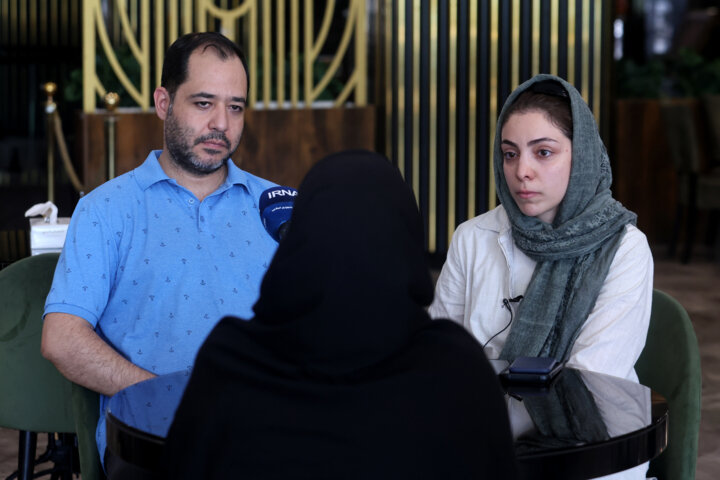
We spoke with Tehran residents who have been damaged or completely destroyed during the 12-day war and now live in the Lare Hotel.
A missile strike hits the professor’s building at 3:22am.
Alican, a resident of Sadatabad District 2, who lives in one of the units in the professor’s complex, said, “At 3:22am on Friday, June 13, when a powerful explosion shook the building. The sixth floor was not expected to have such an attack, especially as Iran was negotiating with the United States.”
“We lived on the second floor, there were heavy wreckages from above. We didn’t know how bad the damage was or how long we had to evacuate.
He continued. “Smoke and screams filled the building. After my wife was evacuated, I went back inside to help other family members and neighbors. Thankfully, my parents were unharmed.”
Alikhan added: “Each building has four units, with a total of 16 apartments. All units have been seriously damaged, except for potential damage to the structure. The utility will be cut off and the building is not safe to live in and could be destroyed during escape.”
He lamented the losses of many residents (professionals, engineers, university scholars) in the attack. “I condemn the war and believe that all problems should be resolved through dialogue.”
Household items that have been submerged 24 hours a day
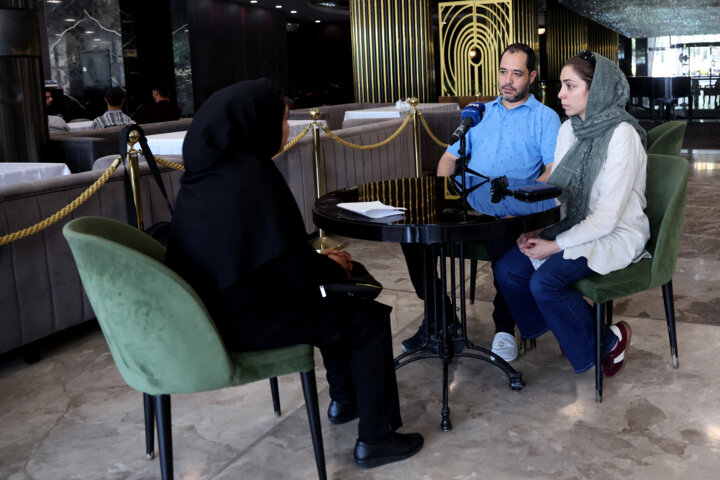
When asked about assistance for repairs and financial aid, Alican said, “I’ve only heard of such measures on television, but no one has contacted us directly. Only those who can be reached have been housed in the hotel.”
He added: “Because the building is a metal frame, firefighters put out the fire with water. Otherwise the entire structure would have collapsed. Our belongings would be underwater 24 hours a day.
“My wife wakes up at 3 or 4am, where she is scared by the slightest noise and needs psychiatric treatment. I managed to deal with it, but it’s much more difficult for others who are less resilient.”
Civilian victims in professor building
Alican’s wife said, “The residents were honored, upright people with a focus on family and education. We are heartbroken about the loss of so many loved ones. Mr. Rasori, a resident on the third floor, lost his daughter, son-in-law and the youngest victim of this tragedy.
She added: “The tiles were burned or buried under the tiles. One 12-year-old girl was thrown through the window. They lost the whole family, like a two-year-old girl who started talking and lost her father. The mother said, “Daddy is not here.” “This is an unbearable pain.
I relive the pain every time I visit an abandoned ins
Regarding hotel services, she said: “The hotel staff is good and there are no complaints. But we can’t move what we have left of our belongings. Psychologically, we’ve shattered to the point where we can’t even change clothes or think straight. Every day we visit our home.
Five sh shotguns were injured in three family members
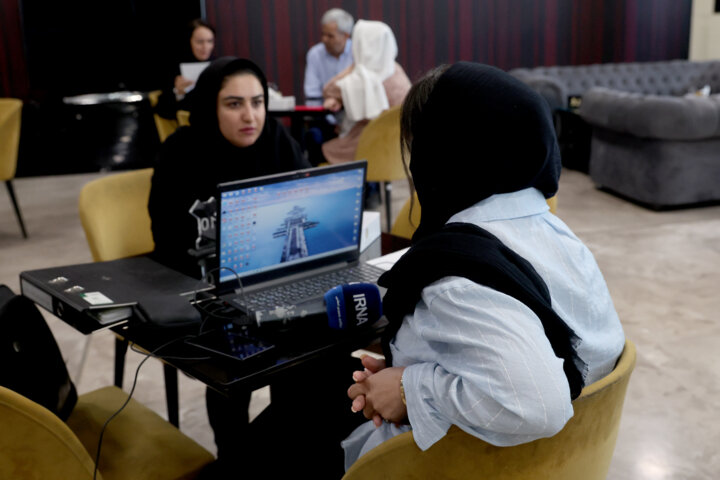
Sarah, who was also targeted by the Tehran Palz home, said: “My husband locked the door and went outside with my stepmother, then he was waiting in front of the house around 3pm, and we heard a missile strike.
Her voice choked with emotion, “The area was chaotic and we couldn’t find him. Later we saw him approaching with a bleeding hand. During the strike, he was about 4km away in the car and was hit by a rap shotgun.”
She added: “He was searching between the bodies for his father – a heartbreaking scene. I didn’t know he was taken to the hospital by ambulance. The explosion left one rap shotgun on my stepmother’s forehead, one near my stepfather’s body, two on my limbs.
Sarah said: “Across the house is six five-storey buildings that have maintained such serious damage that is needed to destroy and rebuild.”
40 years of life lost in just a few seconds
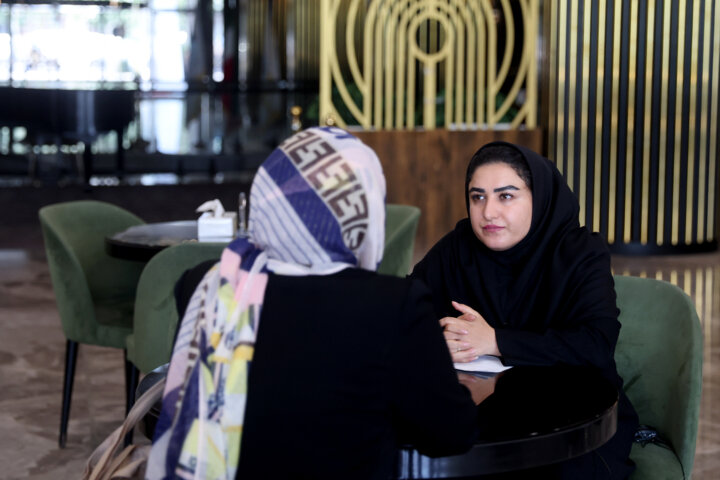
Another victim, Farzane Sadegi, said: “About three hours before the attack, I visited my mother’s house after some errands. Later we found out that our building had been hit by a missile. The next day we saw catastrophic damage. Debris.”
She added: “I worked in education for 30 years and now I’m retired, but I’m still teaching. After the incident, I was so upset that I couldn’t answer calls from friends and colleagues for days. Then I let myself handle myself.
The evacuated residents stayed at the hotel until further arrangements were made.
Laleh Hotel manager Mohammad Ghanbari noted that more than 300 war-affected citizens are housed there. “They can stay at the hotel until financial support for deposits or alternative housing is arranged.”
(Source: IRNA)