
TEHRAN – Iran’s Foreign Minister Abbas Araguchi praised the dedication of the pilgrims in Abain and the extensive consular preparations for protecting their journeys, highlighting that Iran’s diplomatic mission in Iraq is fully prepared to support travelers who have lost their passports or are facing emergency situations.”
In an interview with the Iranian Broadcasting System (IRIB) aired on Friday, Araguchi stressed that hosting millions of Iranian pilgrims requires “precise coordination” with Iraqi authorities to ensure safe border crossings and order movements.
Araguchi reaffirmed its cooperation with Iran, Pakistan and Afghanistan to streamline the issuance, transport and security of pilgrims passing through Iran.
He characterized Albaian as “both Shiite spiritual movements and grand political, ideological and social mobilization,” adding that all Iranian pilgrims “embodied the ambassadors of the Islamic Republic.”
Millions of faithful people from diverse countries converging in Iraq have emphasized that the pilgrimage “projects a global image of Shia wisdom, unity and dignity.
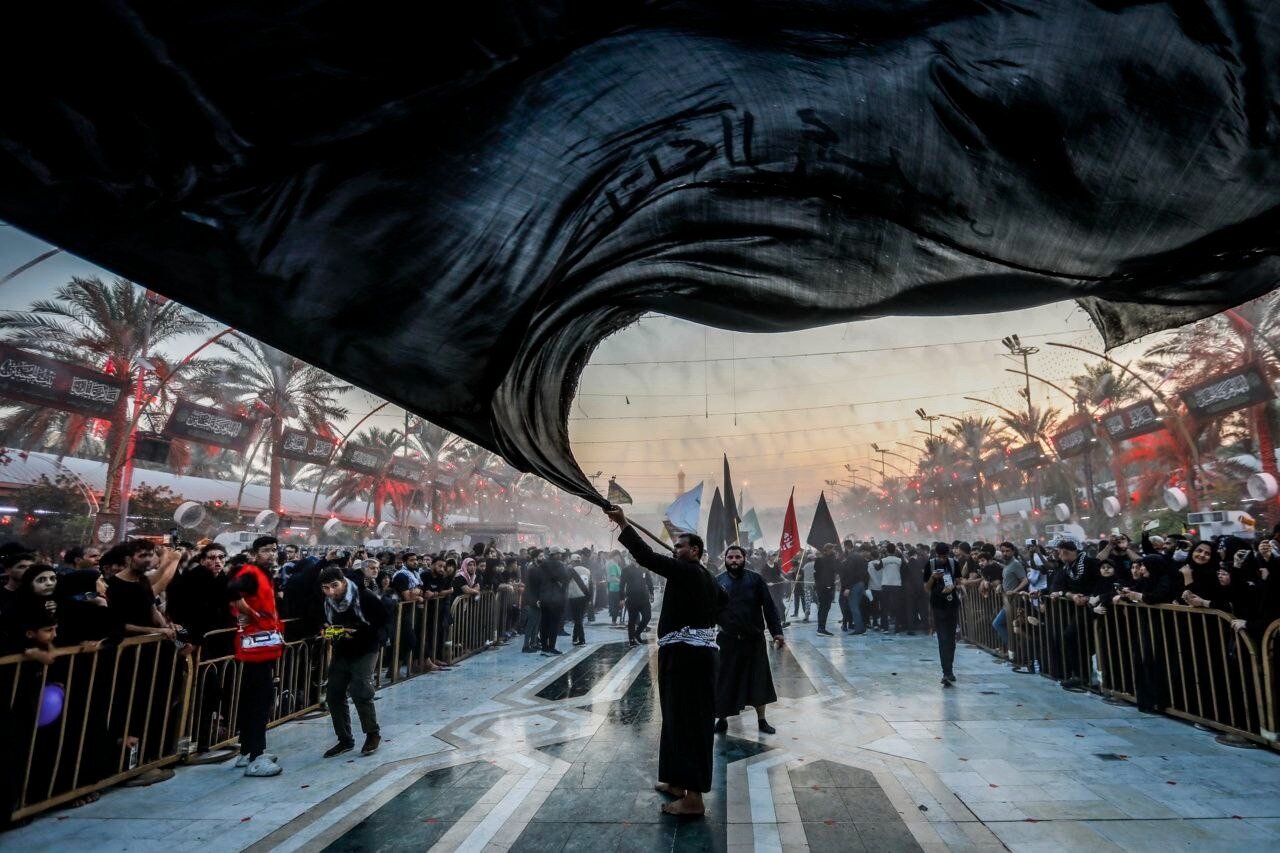
The world’s largest annual rally, Albain, began early on July 15th from Alfour, the southernmost tip of Iraq, with pilgrims walking more than 600 km on a heat of 50°C. Iraq expects more than 10 million foreign pilgrims, including millions of Iranians.
The new maritime route, launched on Friday between Khorramshahr (Iran) and Basra (Iraq), could expand to four round trips daily to meet demand. Iran has also increased weekly flights to Iraq and Pakistan to make travel easier.
The Najaf and Karbala Special Committee currently operates 24/7, addressing cases of missing persons, medical crisis and other urgent needs.
Albain this year coincides with growing regional solidarity over Israeli attacks on Iran and Palestine.
At the recent Tehran summit, Iran, Iraq and Pakistan’s interior ministers signed joint security protocols, with Iran’s Escandar Momeni declared the partnership “strategic” and praised Pakistan’s support for Iran during Israel’s “war of attacks.”
Iraqi Home Minister Abdul Amir al-Shamari confirmed that all services and security capabilities were mobilized under the orders of Prime Minister Mohamed Siah Al Sudani.
Pilgrims transformed the Najaf Kalbara march into a pro-Palestinian demonstration, waving flags and wearing kefiers.
The governor of Karbala wore scarves in particular in solidarity, but many linked the suffering of Gaza with the martialism of Imam Hussein.