
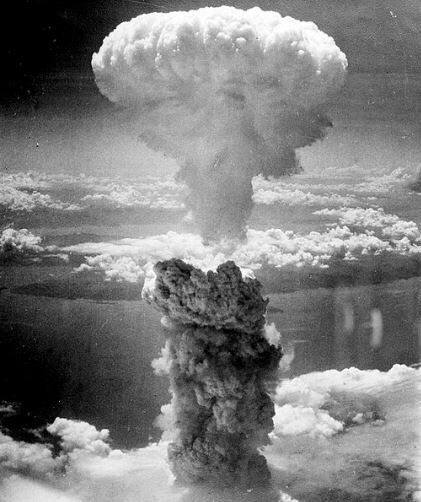
Tehran – As the world prepares to mark 80 years since the Hiroshima and Nagasaki atomic bombs, Iran is calling on Japan to work together to cooperate in a new push to eliminate weapons of mass destruction (WMDS) at once.
In a heartfelt surgery published in Japan’s Asahi Shinbun, Iran’s Foreign Minister Seyed Abba Araguchi is similar between the suffering of the two countries. Japan is the only country that can withstand nuclear attacks and Iran is the victim of the chemical war during the Brutal Iran and Ira.
“We don’t understand the fear of these weapons better than we do,” Araguchi wrote. “Japan’s cities were wiped out in an instant. Our people still carry the scars of Saddam’s poison. If any country has the moral authority to demand disarmament, it is us.”
In August 1945, the United States dropped atomic bombs in Japanese cities in Hiroshima and Nagasaki, killing an estimated 140,000 and 74,000 people, respectively. More people died in the following months and years from radiation diseases, burns and cancer. Supported by Wester Powers, Saddam Hussein’s regime repeatedly attacked Iranian soldiers and civilians with chemical weapons during the invasion of Iran in the 1980s, using mustard gas and nerve agents. One of the most deadly attacks occurred in Saldasht (1987). There, Iraqi fighters dropped chemical bombs on residential areas, killing 130 civilians and wounding thousands. Iran estimates more than 100,000 victims of chemical attacks, and survivors still suffer from respiratory illness, blindness and cancer today.
Elsewhere in his place, the minister did not refrain from denounce President Donald Trump. President Donald Trump recently compared US and Israeli attacks on Iran’s nuclear facilities with the bombings of Hiroshima and Nagasaki. “It’s not only wrong to equate our peaceful nuclear sites, monitored by international inspectors with the indiscriminate massacre of civilians. It’s a shame for all the memories of life that have been lost,” Aragichi said.
Araguchi served as Japanese ambassador to Iran from 2008 to 2011, and is believed to maintain close ties with the country’s academic and media elites.