
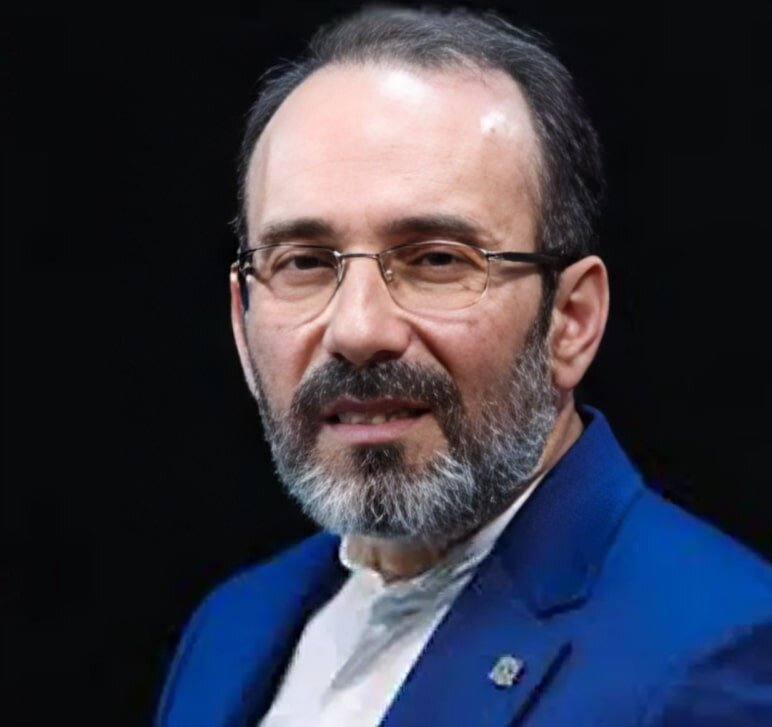
Tehran – Amilhossein Takian is the founder of the Global Health Centre, Professor of Health Policy at the University of Tehran Medical Sciences, and serves as a member of the steering committee of the Lancet Regional Health European Commission on Health, Migration and Climate Change, as well as one of the cooperatives of the second working group of the committee.
The working group focuses on “the impact of climate change on migration patterns within and within Europe.”
The committee is actively investigating the complex interactions of health, migration and climate change in Europe in collaboration with the Lancet migration and the World Health Organization (WHO). The key focus of their work is to develop effective policy solutions by examining the scientific aspects of this Nexus. Currently, committee members are contributing to a special issue of the Lancet, dedicated to “climate change and migration.”
The committee was launched in 2024 by the Lancet Regional Health – Europe.
It aims to provide evidence on the links between climate change, migration and health, and raise awareness of the importance of understanding interconnectedness in policy development and culturally appropriate care across the European region.
Background and focus area
Climate change is the biggest health threat of the 21st century and has a global impact that promotes and strengthens migration. It exacerbates health risks, disrupts access to health care, and exacerbates social determinants of health. Climate change, which acts as a multiplier, amplifies evacuation factors such as resource scarcity, food insecurity, extreme weather, and habitat destruction.
Immigration faces clear challenges including legal uncertainty, cultural loss, and health vulnerability. Migrations can promote resilience, but framing as an adaptation strategy only risks restrictive policies.
Addressing these interconnected issues requires a holistic approach and balances immediate health needs with strategies focused on long-term integration and equity.
Europe is both an important destination for immigrants and a region tackling its own climate challenges. This dual role creates a unique context for addressing the health of climate mobility. European countries must manage migrant health needs while adapting to the accelerated impacts of climate change. The Committee identifies barriers, opportunities and solutions within European institutional frameworks and explores these issues in hosts and countries of origin.
Health, Mobility, Climate Change (WHO-LED), the impact of climate change on patterns of migration to Europe, the health needs of European immigrants amid climate change, and the European response using social determinants of health approaches, focuses on the committee’s themes.
mt/mg