
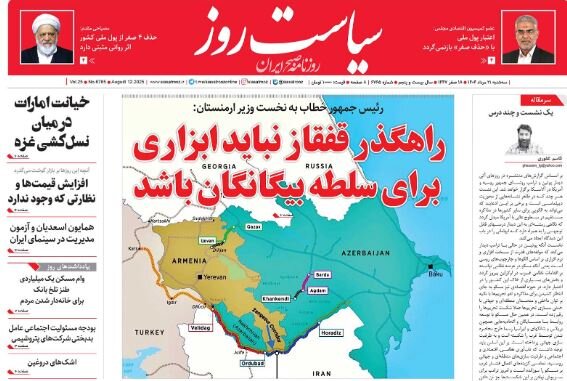
TEHRAN – Siasat et Rouse will be held in Alaska, dedicated to a meeting between Russia’s Vladimir Putin and US Donald Trump, focusing on its impact on the Ukrainian war.
The editors argue that the removal of Europe from the conference highlights a decline in connection between the European Union and the European Troika world issue. It suggests that Europe has effectively lost its authority and cannot initiate or support its commitment without our approval. In this context, the editor argues that Europe does not have the autonomy to make or revoke decisions independently, and therefore negotiate with Europe over mechanisms such as snapback provisions. The Putin and Trump meeting argue that not only highlights the importance of strength in diplomacy, it also highlights the credibility of the US and the global impotence of the European Union. The editors conclude that Iran has two best courses of action. First, it is to strengthen itself in all sectors by relying on domestic capabilities and strategic global allies. Second, abandoning negotiations with both the US and Europe, as past experiences show that such consultations do not produce meaningful results.
Ettelaat: Iran at a critical time
Ettelaat spoke with international affairs analyst Hassan Beheshtipour about the possibility of resuming nuclear negotiations between Iran and the United States. He said: The key issue that both Iran and the US are fully aware of the need for dialogue, but Tehran is also willing to retreat from its position and Washington. So it seems unlikely that we will reach a commonality and we don’t get to it. This point should also be taken seriously. In addition to nuclear issues, Americans are calling for Iran to be involved in exchange of views on missile programs, local issues, and human rights issues that are considered Iran’s red line. Iran is at a critical time. The shadow of war is on us, and Europeans are pushing very seriously and violently to activate the snapback mechanism (which would return the US sanctions lifted under the 2015 nuclear deal with Iran). Therefore, we should avoid extremism and emotional decisions, take a realistic approach to earthly facts, and as a result, we should consider expert decisions.
Khorasan: Iran is behind the corridor race
In a recent analysis, Khorasan examined the Zangezur agreement between Azerbaijan and Armenia, mediated by the US. The editors highlight that the corridor has carved out a new strategic highway that passes through the heart of the South Caucasus. However, Iran claims it has lagged behind the dynamics of local power as it has slowed development of its own internal transport corridor.
Economic expert Taher Rahimi has proposed at least four important measures to mitigate the negative impact of the Zangezur corridor.
• Starting gas exchange with Russia via Turkmenistan instead of Azerbaijan
• Working with Russia to complete the Neka-Jacque Oil Corridor
• Create a North-North-North-North-North-North-North-North-North-North-North-North-North-North-North-North-North-North-North-North-North-North-North-North-North-North-North-North-North-North-North-North-North-North-North-North-North-North-North-North-North-North-North-North-North-North-North-North-North-North-North-North-North-North-North-North-North-North-North-North-North-North-North-Nor
• Working with Russia to establish regional food hubs
The editors emphasize that the Zangezur corridor represents a rapid and inevitable reconstruction of regional geopolitics. It warns that if Iran is unable to define today’s strategic role, it will be isolated as the risk of being returned to maps of borders that do not have meaningful connections to the regional economic lifeline.
Ultimately, the future of corridor diplomacy in the Caucasus and beyond demands a positive, strategic, and multilateral approach. This allows Iran to move from a passive bystander to a central player of regional influence.
Javan: Iran does not retreat from the red line
In an interview with international relations expert Dariush Safarnejad, Javan discussed Iran’s attitudes regarding the Zangezur corridor. Safarnejad emphasized that Iran must work with the strategic vision of revolutionary leaders to adopt a solid position to protect geopolitical interests. He said Iran’s initial recognition of Armenia was based on its existing borders as a neighbour. If there is any change in these borders, Iran will be legally entitled under international law to reconsider the perceptions of both Armenia and Azerbaijan. Safarnejad warned against regional border changes facilitated by NATO intervention, claiming that such development represents a direct invasion of the US, UK and Israel into the region at the heart of Iran’s national security interests. In response, he argued that Iran firmly insisted on its red line, opposed the corridor proposed under the influence of NATO, and that it had any right to reassessment of diplomatic relations with Armenia if such development threatened its sovereignty. He further emphasized that Iran should be prepared to respond decisively to the presence of military or security by external actors in the region.