
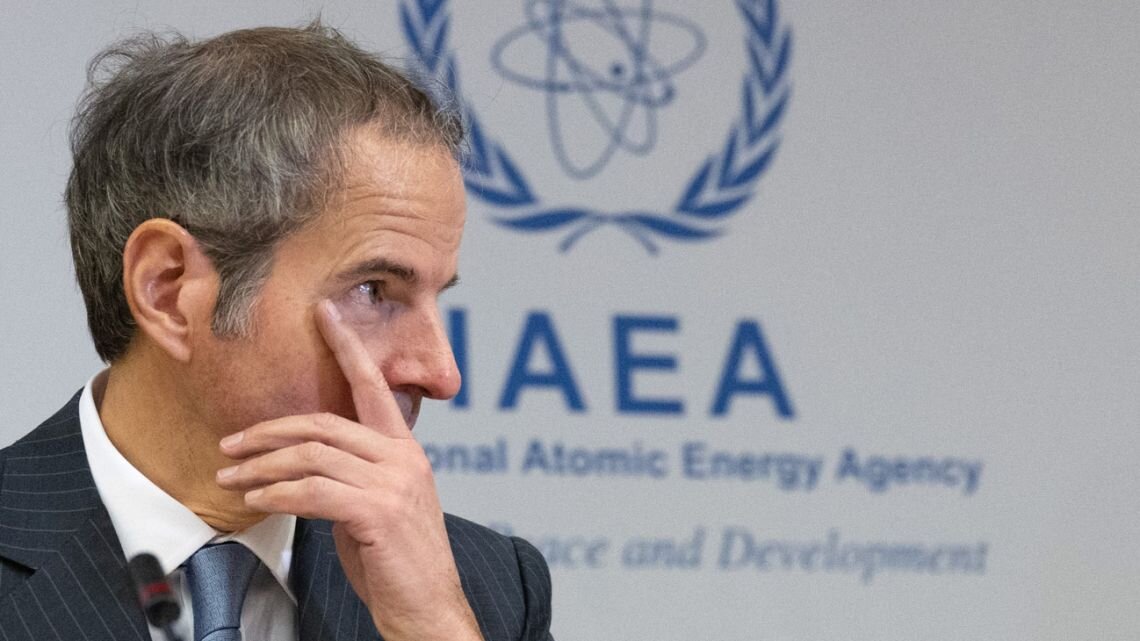
TEHRAN – Argentine diplomat Rafael Mariano Grossi, director of the International Atomic Energy Agency (IAEA), has officially confirmed his intention to run for the post of UN Secretary-General when Antonio Guterres’ term ends in January 2027.
“I will be a candidate for Secretary-General of the United Nations,” Grossi, 64, told reporters at a press conference in Washington on Wednesday, saying he had already discussed the issue with Secretary of State Marco Rubio.
The world’s finest diplomatic position, UN leadership has a five-year mission with the potential for re-election. Although there is no formal procedure, candidates usually secure support from member states, while permanent Security Council members retain veto power over the candidate.
Grossi’s candidacy is no surprise. For years he has probably come up as a candidate. However, his bids are not without controversy. Grossi has attracted intense criticism to politicize the IAEA and actively enable Western and Israeli narratives in a joint attack on Iran.
In the days leading up to Israel’s military attacks on Iran, the IAEA report cited enrichment levels “higher than those in countries without a military nuclear programme” was repeatedly cited by the Israeli regime as an excuse for escalation. Grossi later admitted to CNN that he had found no evidence of Iran’s “systematic efforts” to build nuclear weapons, but this withdrawal was too late. The report was already fuelled by a Western Draft resolution against Iran before the IAEA Committee.
The war on attacks with Israel against Iran began on June 13th. The conflict ended on June 25th after Iran’s retaliatory missile strike overwhelmed Israel’s defense system and forced hostilities.
An April investigation by the Tehran Times shed more light on Grossi’s motivations. According to the report, Grossi’s political manipulation and repeated anti-Iranian statements did not arise from personal beliefs alone, but were directly linked to the promises of the European troika, Germany, France and the UK. According to the report, E3 is pledging to support the UN bid in exchange for justifying new sanctions through demonization and “snapback” mechanisms of Iran’s nuclear program.
The revelations pointed out that Grossi consistently exaggerates Iran’s nuclear capabilities in interviews with Western outlets, claiming that sometimes Tehran could build “six to seven bombs” without providing supportive evidence. Iranian officials have repeatedly accused his comments of being political, and nuclear Mohammad Eslami reminded Grossi last year that his role was technical rather than diplomacy.
Grossi has allowed the IAEA to become a political tool in the broader Western pressure campaign in Iran by taking themselves along E3. In Tehran’s view, his actions amount to complicity in the narrative of war against the Islamic Republic, undermining the neutrality expected of the world’s nuclear watchdog.