
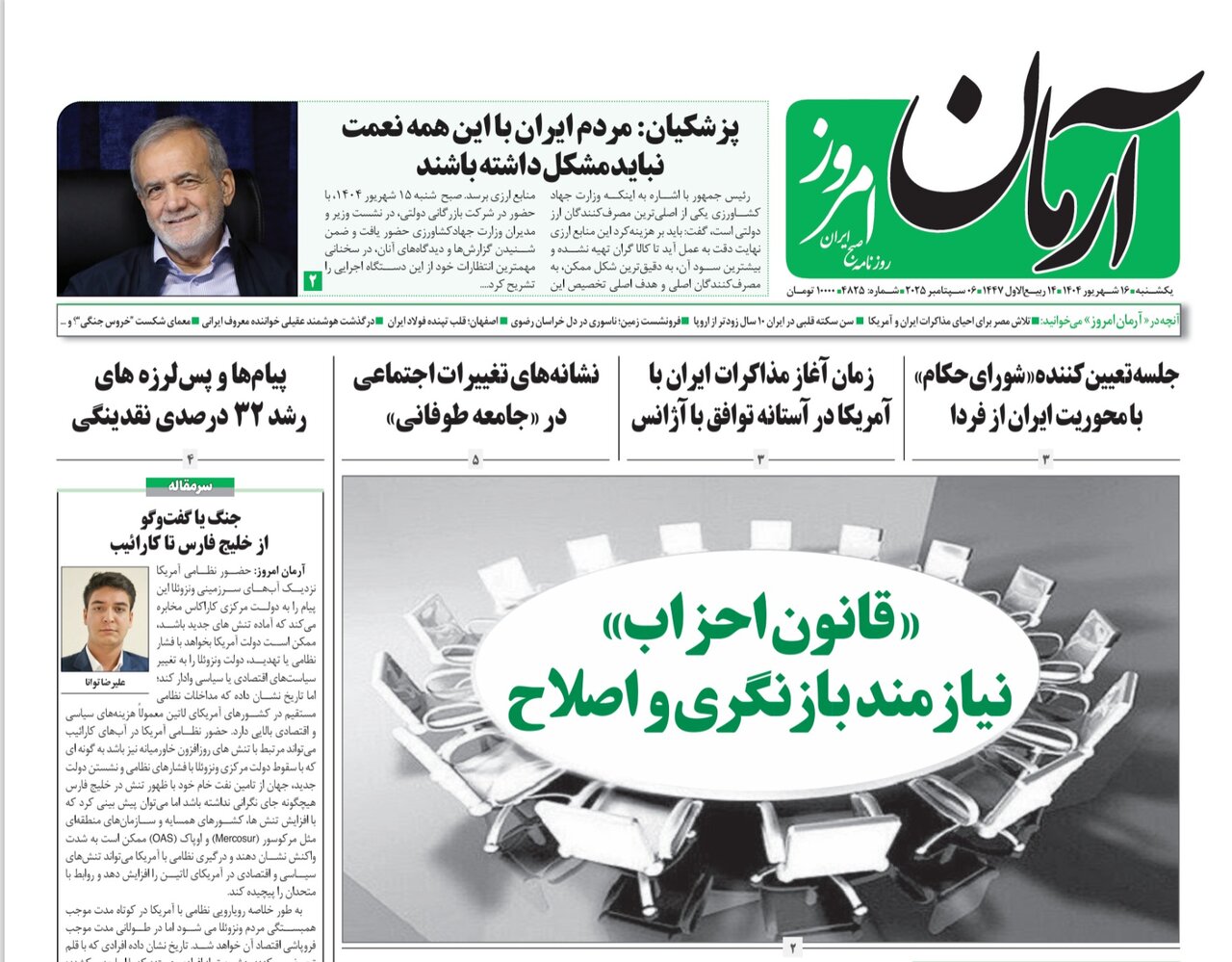
TEHRAN – Ahman et Mruz discussed the quarterly meeting of the International Atomic Energy Agency’s Governor’s Committee on Monday.
The conference is of unparalleled importance due to its potential influence in shaping the future of nuclear negotiations and its potential impact on determining the path to conflict resolution or escalation. Iran and the institution had held constructive technical consultations in Vienna in the weeks leading up to this conference, and the positive outcomes of these consultations raised hopes for achieving sustainable progress in resolving differences. The Governor’s Committee meeting is a historic opportunity to approach the resolution of Iran’s nuclear files. Positive consultations between Iran and IAEA experts, along with the willingness to continue technical cooperation, can lead to reduced differences and building trust. If the conference focuses on supporting diplomacy and dialogue instead of conflict, it could pave the way for an end to one of the world’s longest-running nuclear conflicts and create a brighter future for Iran’s relationship with the international community.
Ham Mihan: A journey without results!
In the memo, Ham Mihan addressed the fruitless presence of the Iranian president and his accompanying delegation at the annual UN General Assembly in September. It writes: In a general view, regardless of the threatening US decision, this is merely a slight, ineffective political pressure. Based on the reading of repeated diplomatic statements at the General Assembly, and holding some ceremonial meetings with other government officials who can also be New York’s current Iranian ambassador, the presence of the country’s second highest ranked person at this conference is to benefit the Iranian people. The presence of the world’s top government officials simultaneously in one building is not a small event, but a unique opportunity to open up and confront international challenges. And wise politicians will make the most of this annual opportunity to realize their national interests. In a situation where there is no clear outlook for changes in the country’s foreign policy, such travel is not justified in terms of cost and time.
Etemad: Do you hope for negotiations in New York? !
Etemad spoke with former diplomat Kourosh Ahmadi about President Pezeschkian’s trip to New York. He said: Unfortunately, the news of limiting visas for Iranian delegation members and limiting their movement in New York indicates that the Trump administration is not interested in working with Iranian delegations. If this situation continues like this, the work of the Iranian delegation may be merely indirect and intermediary contact with US government officials and think tanks. Meanwhile, we know that three European countries are asking Iran to negotiate with the US. That is, they acknowledge that they themselves are not involved in any substantial issues related to Iran’s nuclear program. Of course, Israel also needs us permission to deal with Iran or perhaps take aggressive action against it. So Iran and the US hope to be able to coordinate their position and return to negotiations. In this way, we hope that changes in political and socioeconomic conditions within Iran will be possible.
Iran: Pezeshkian’s important participation in the Shanghai Summit
In an interview with Mohsen Ruich Sephat, the Iranian newspaper looked into the most important achievements of the Pezeschkian trip to the China’s Shanghai Cooperation Organization (SCO) summit, which held talks with his counterparts, including President Xi Jinping. He said: Iran’s presence at this summit conveyed several important messages. First, we have shown that we are gradually reaching a clearer strategy towards the east, from an Iranian foreign policy perspective. Even if Iran wanted to have a constructive relationship with the West, this has proven possible and beneficial when establishing a serious and balanced relationship with the Eastern forces. This presence was also important from a local perspective. Despite the pressure and negative perceptions after the 12-day war (June), Iran still shows that it is an active and capable player in the region. At the same time, the action sent a message to neighboring countries, and even the western world, that Iran intends to strengthen relations in the East. The message of Iran’s strong presence at the Shanghai Congress is that a political will was created, but the internal structure must also align with policies that pave the way for cooperation with China and other Eastern powers.