
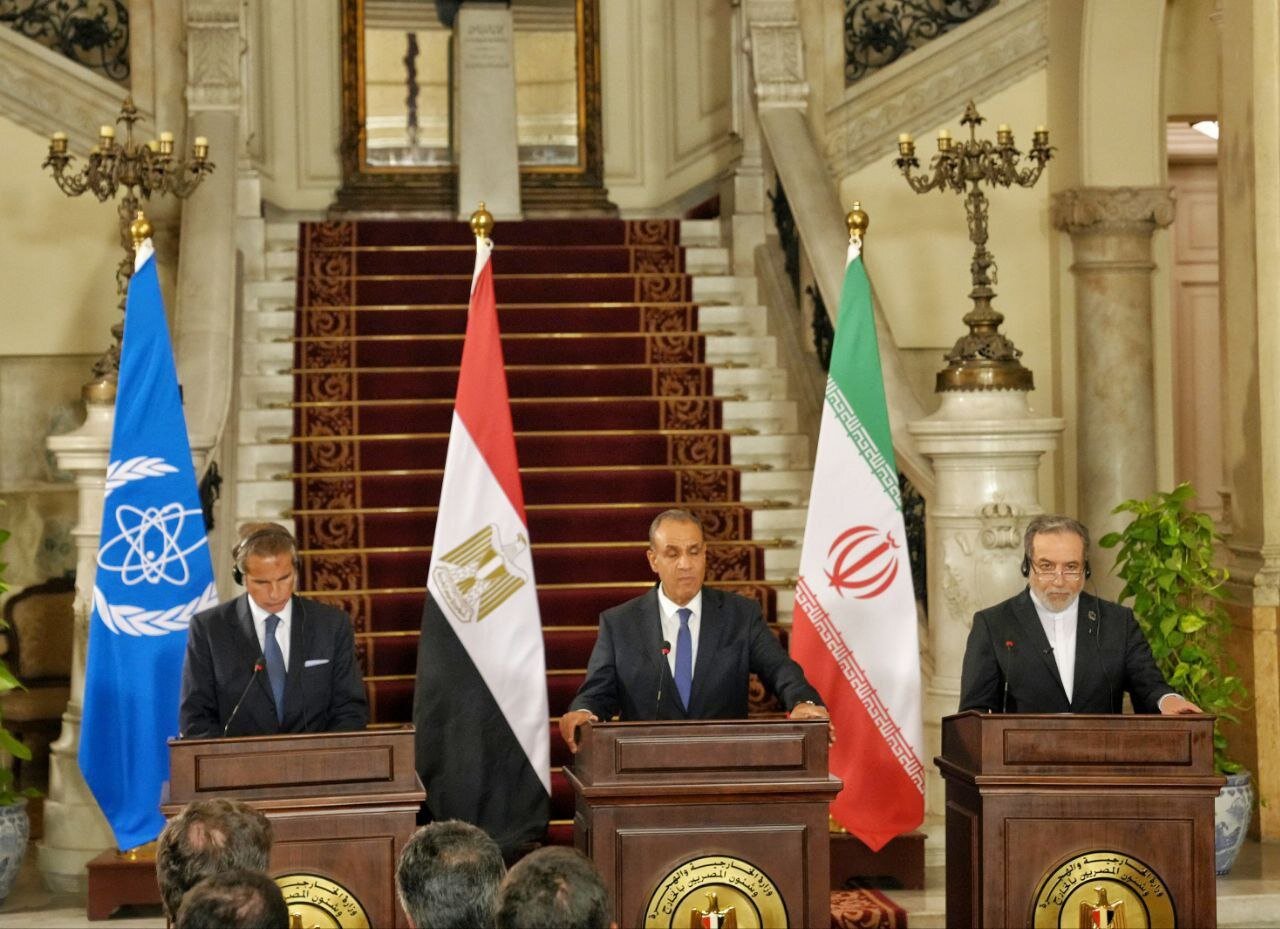
TEHRAN – Iran has decided to look for ways to bring International Atomic Energy Agency (IAEA) inspectors back into the country after suspending cooperation with the UN Nuclear Watch in July following the US-Israel attack on nuclear sites.
The announcement was made by Iranian Foreign Minister Abbas Aragci and IAEA Director Rafael Grossi at a press conference in Cairo. Araguchi said the decision reflects Iran’s sense of “responsibility” and urged UN agencies to refrain from polling politically charged charges against Iran this time. The day after the IAEA released a report containing old and previously exposed allegations of Iran’s nuclear activity, a US-Israel attack on Iran’s nuclear presence occurred.
After the Iranian parliament adopted a bill suspending cooperation with the IAEA, it designated the country’s Supreme National Security Council (SNSC) as a responsible body on the issue. Several Iranian officials have since said cooperation remains halted until there is a new framework that ensures Iran’s security is developed. At a press conference Tuesday, Araguchi said the agreement he signed with Grossi (which is likely to be working with the SNSC) adhered to this principle. However, he warned that Iran would halt implementation of the new framework if additional pressure was applied to the state due to the nuclear program. He was referring to decisions by Germany, Britain and France to activate a “snapback mechanism” designed to revive pre-JCPOA sanctions against Iran.
The agreement signed in Cairo could draw criticism from conservative factions within Iran. Iran is increasingly opposed to cooperation and negotiations with the IAEA after years of fruitless consultations and attempts.
Among the Iranian masses, particularly following the recent war, calls have grown to change the nuclear doctrine of the country based on fatwa (religious order) by leaders of the Islamic Revolution.
Ali Larijani, the new head of the social network, said last week he was willing to negotiate a nuclear program to ensure that Iran does not build nuclear weapons. However, he said that setting unacceptable prerequisites makes this impossible. Larijani has designated Washington wants to include Iran’s missile program in negotiations. Tehran has refused for many years. Iran’s robust missile programme was the main reason why Israel and the United States forced a ceasefire in June.