
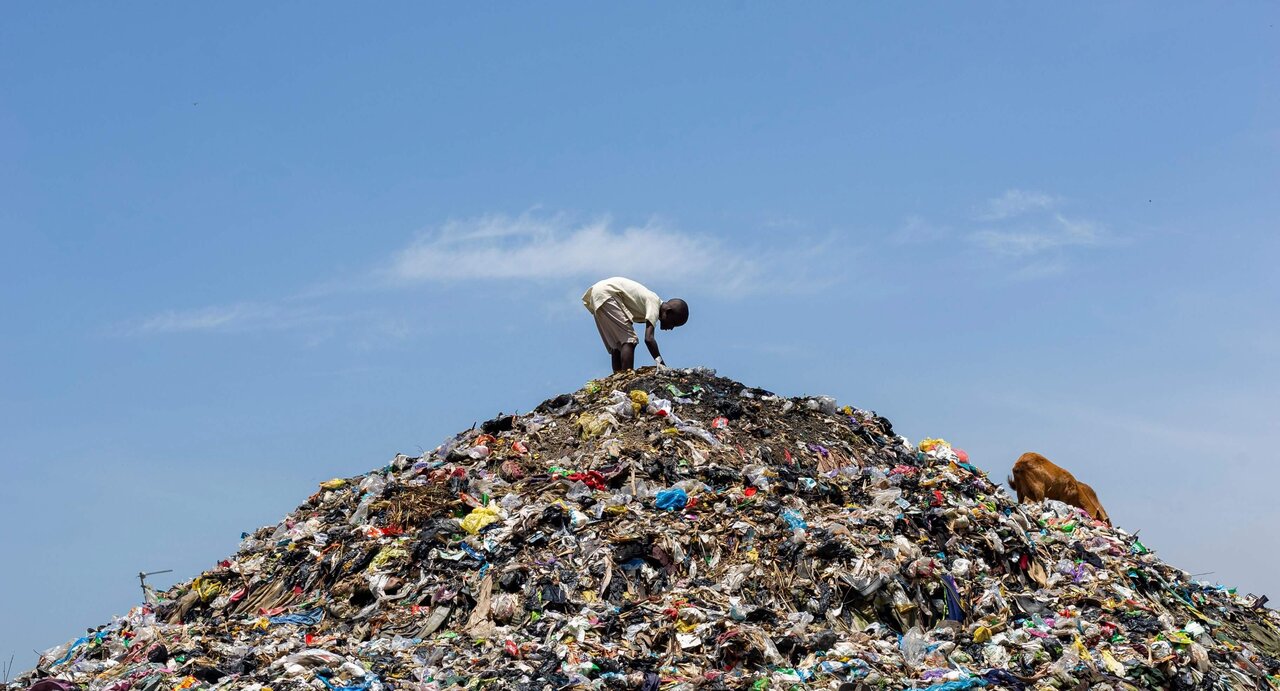
Tehran – September 20, 2025, people all over the world unite for a world cleanup day. This is a global movement that is more than picking up trash to face the waste crisis head on. This year’s focus will focus on one of the most visible and growing environmental challenges: textile and fashion waste.
Every second, a garbage truck full of clothes is dumped or burned in the landfill. The fashion industry generates 92 million tons of textile waste each year, fueling overwhelming waste systems, waterway pollution and the climate crisis.
World Cleanup Day 2025 highlights the urgent need to raise awareness and shift habits towards responsible consumption, strengthen local and global waste management systems, and advance policies and partnerships that build urban resilience.
Textile waste promotes the triple planetary crisis. It clogs drainage, exacerbates urban flooding, pollutes rivers and oceans, harms biodiversity, and releases greenhouse gases that promote climate change.
By tackling textile waste, global cleanup days approach the Sustainable Development Goals and the Paris Agreement.
background
On December 8th, 2023, the UN General Assembly unanimously adopted Resolution 78/122 “World Cleanup Day,” and declared September 20th as the world’s cleanup day. This resolution invites all member states, organizations of the UN system, other international and regional organizations, and other relevant stakeholders, including civil society, the private sector and academia, to observe the world’s cleansing date through activities aimed at increasing awareness of cleanup efforts in sustainable development. The United Nations Human Residence Programme (un-habitat) promotes compliance for the day.
Over the years, many national, regional, local governments and communities have conducted cleanup activities around the world. World Cleanup Day represents a reflection on their achievements. Cleanup serves as a reminder of our shared collective responsibility for preserving and maintaining a clean, healthy environment, and maintaining and maintaining sustainable waste and resource management.