
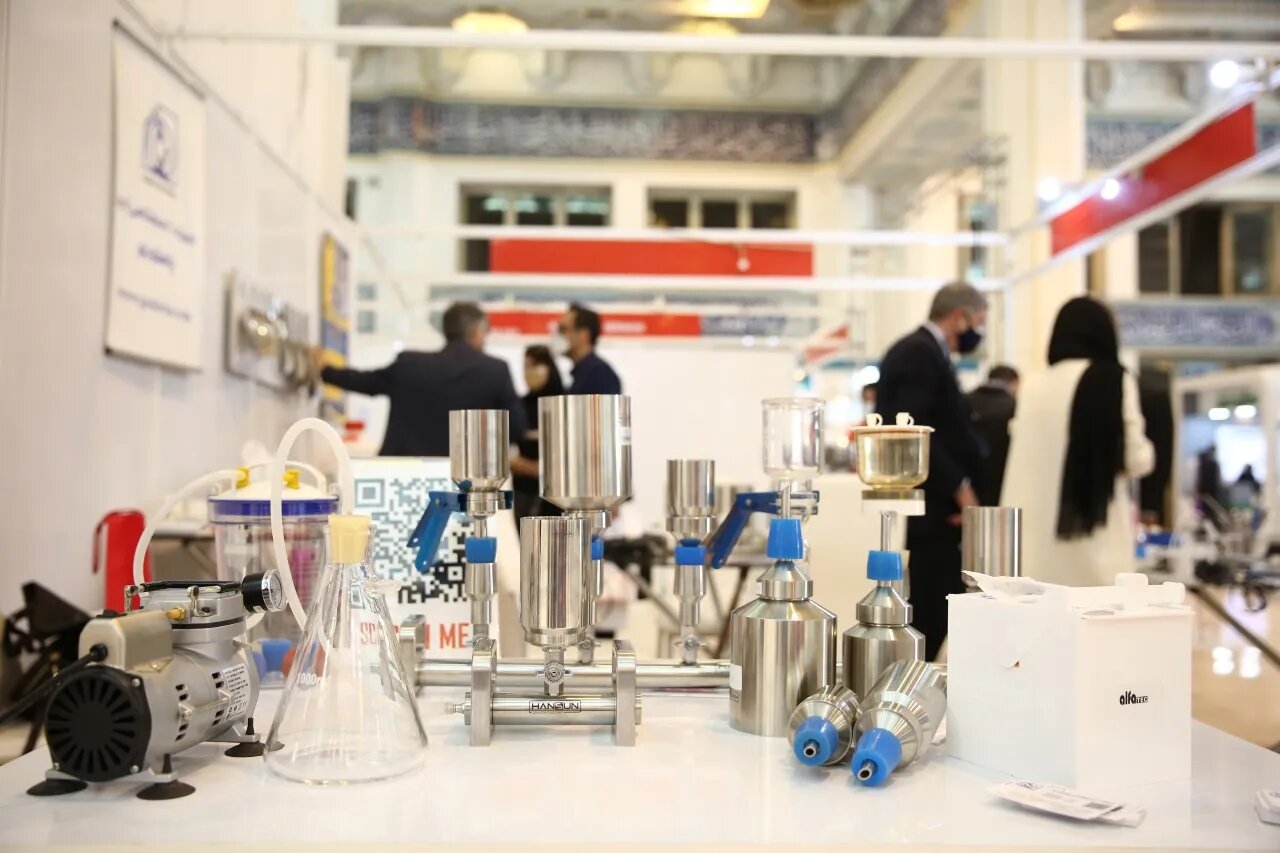
Tehran – The 10th Iran Pharma Exhibition, Iran’s largest specialized pharmaceutical event, will be held in Tehran from September 24th to 26th, bringing together 743 companies from 28 countries.
With the theme of “sustainability, resilience and innovation,” the exhibition is hosted by an Iranian syndicate of the pharmaceutical industry in Grand Musala, Tehran.
The event has captivated a wide range of national and international businesses, associations and affiliated organizations.
It provides a platform to promote technical collaboration, showcase export capabilities, attract investment in innovative sectors, and provide specialized networking.
Side events such as expert panels, business meetings, book displays, and student tours attract a lot of attention every year.
The issue of medical and medical device production and self-sufficiency in these regions is one of the government’s priorities, Health Minister Mohammad Reza Zafarkandi said.
Medicine and medical devices are two important areas related to people’s health, he said, “We are trying to reach self-sufficiency for the supply of medicine and medical devices,” the IRNA reported.
On January 13, the head of the Iranian coalition of medical device manufacturers and exporters said that about $20 million worth of medical devices are exported to more than 60 countries a year.
The IRNA says it says more than 70% of medical devices and more than 100% of regular hospital beds are made in the country.
He added that more than 95% of certain ICUs and CCU beds and more than 85% of operating room medical devices, such as anesthesia devices and other equipment, are manufactured using cutting-edge technology in the country.
Yaqoubzadeh continues, saying that the country’s need for medical devices is between $3 billion and $4 billion a year, of which $1 billion is imported.
Approximately 600 medical device companies operate domestically and produce about 99% of the drugs supplied to the domestic market.
Domestic medical device manufacturers produce and supply over 10,000 types of medical devices to domestic and foreign markets. Today, various experimental equipment are manufactured at much lower prices than the same foreign product.