
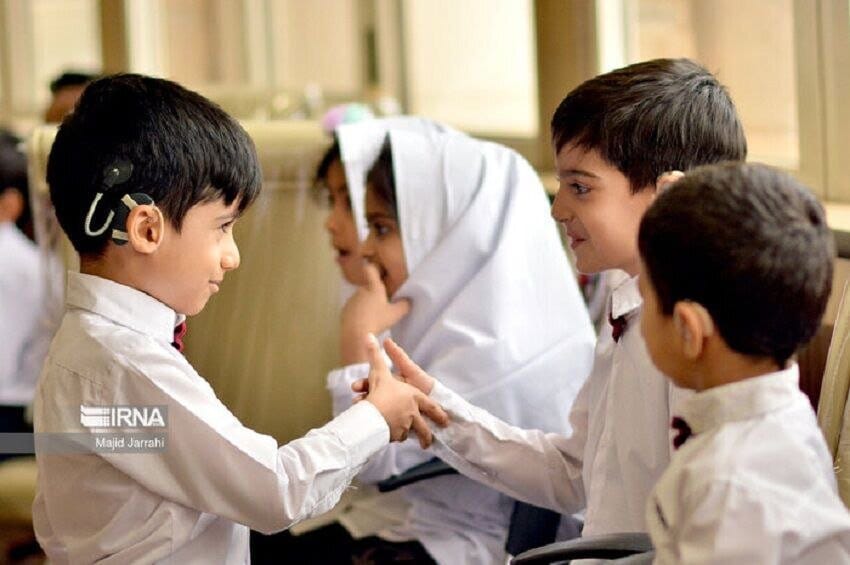
Tehran – Iran is one of the seven countries around the world that is running the Neonatal Hearing Screening Program (NHSP) in collaboration with the World Health Organization (WHO), and welfare agencies cover 227,000 hearing impaired people, welfare agencies officials say.
Of the 227,000 deaf people, approximately 170,000 are in the moderate, severe, and severe hearing loss group. Welfare organizations provide hearing impaired people with a wide range of services to prevent hearing loss in newborns, depending on the severity of the problem, to prevent nurse payments, providing hearing aids and rehabilitation services, conducting hearing screenings, and genetic counseling.
She made her remarks on the International Deaf Week opportunity, which will be held from September 22nd to 28th.
Screening should be conducted during the first three months of the baby’s life so that the identified child receives intervention six months before birth. Otherwise, she noted, that would lead to the loss of speech.
Currently, 99 hearing impairment centers and 28 integrated centers operate in the country, providing services such as hearing aid prescriptions, cochlear implants, educational counseling, speech therapy, occupational therapy, psychology and counseling services.
Welfare organizations pay 50 million rials (about $50) a year to the rehabilitation center, and their families pay 10 million rials (about $10).
Currently, 55,523 individuals benefit from these services. She noted that children receive direct service, families learn how to communicate with their children and provide supportive living environments for them.
With the support of welfare organizations, the Ministry of Health will enter free cochlear devices for children under the age of 6. Over the past Iranian calendar years (March 2024 – March 2025), the organization provided over 94,000 services, of which 80,300 focused on providing hearing aids. Additionally, 3,050 people received cochlear implants, Noparast said.
Global statistics show that hearing loss is on the rise, especially due to the constant use of headphones, exposure to loud sounds and the noisy work environment. Age-related hearing loss is a common problem as a person ages. Therefore, it is essential to raise public awareness of how to prevent the prevalence of the problem.
The newborn hearing screening program began in the country in 1384 (2005-2006) in Iran, aiming to diagnose hearing impairment within the first month of age, and assisting diagnosed children with intervention six months prior.
Approximately 95% of newborns are screened for hearing. The program uses more than 700 fixed and mobile screenings to identify over 50,000 deaf infants and benefit from services from the non-governmental sector. As a result, the average age of infants with hearing loss was reduced by 3-1 or 1.5 years.
In April, Ministry of Health official Jafar Jandaqi said hearing loss or hearing loss can be treated with timely detection and early intervention, including the use of hearing aids and cow implants.
Emphasizing Iran’s shared expertise and skills in treating hearing loss with other countries, Jandaki said:
International Week for the Deaf is observed on the theme of “There is no human rights without sign language rights.”
Daily themes include September 22nd, “The Deaf Community Leads”, September 23rd, “No Sign Language Rights, No Human Rights”, September 24th, “Multi-Linguistic Education for Deaf Learners”, September 25th, “The Rights of the Hearing Impaired in Crisis”, September 26th, September 27th, “Sign Language Access Service”, and September 28th, “Setting the Foundations for the Future.”
mt/mg