
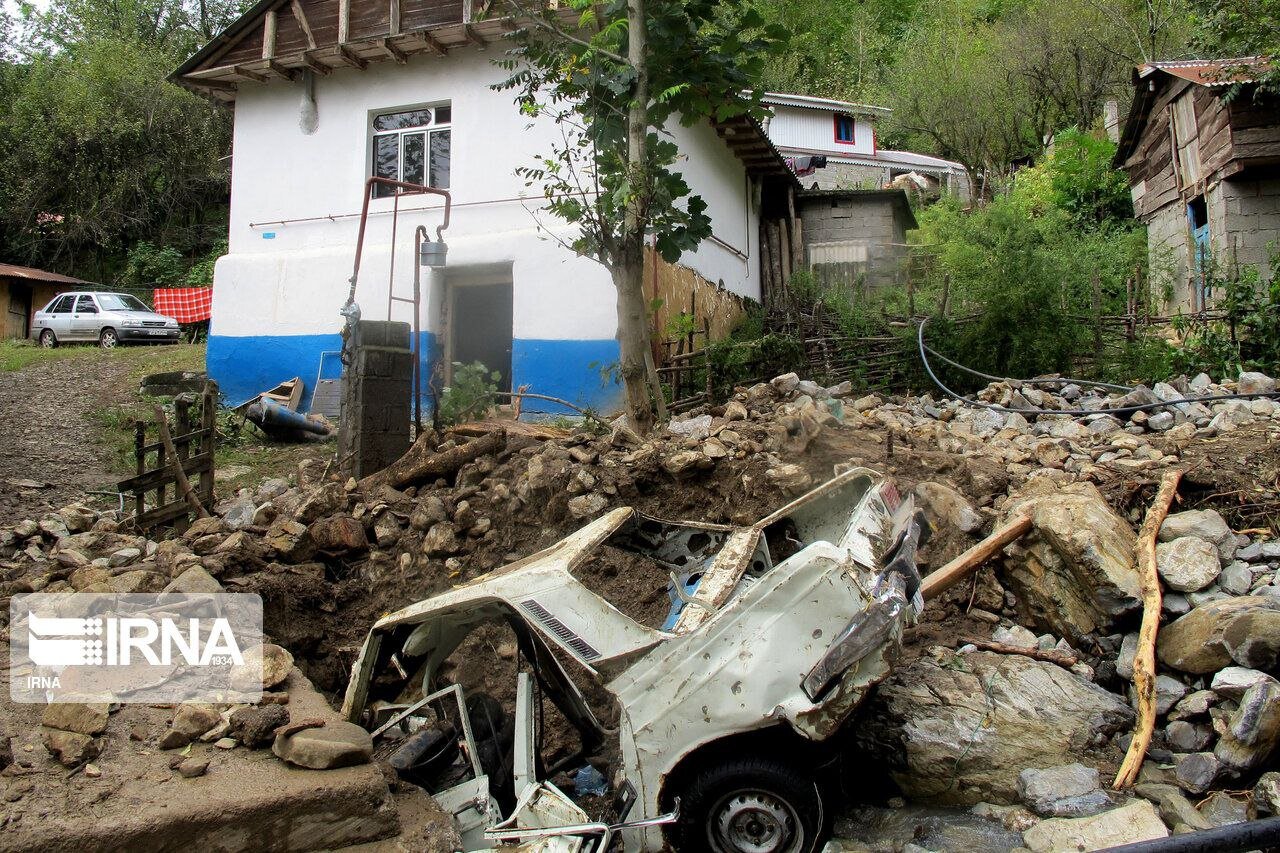
TEHRAN – Disasters are not naturally occurring, but the result of bad decisions and mismanagement. Funding for disaster risk reduction today will contribute to future safety and resilience.
Floods, devastating storms, droughts, forest fires, dry swamps, and earthquakes are examples of natural disasters that occur around the world. Yet what cannot be considered natural is the increased intensity of the danger.
Regarding the importance of this issue, in 1984, the International Day for Disaster Reduction was launched to promote a culture of risk awareness and disaster prevention worldwide.
Held annually on October 13, this day celebrates people and communities around the world raising awareness about the importance of reducing their exposure to disasters and curbing the risks they face.
Iran is a disaster-prone country, facing almost every type of hazard, from earthquakes and floods to droughts, landslides and dust.
Of the 50 known natural disasters in the world, approximately 33 have occurred in this country.
The diversity of disasters has a negative impact on national resilience, highlighting the need for disaster risk management more than ever.
Environmental resilience requires coordination between human development and ecological capacity. Policy-making and resource development must not exceed ecological limits.
However, over the past few decades, some development activities have been inconsistent with the capacity of the environment and ecosystems. Changes in land use, overexploitation of water and soil resources, and mismanagement of forests and natural resources are reducing the ability of ecosystems to recover and cope with disasters, making human societies more vulnerable.
Moreover, the impact of disasters is much greater for low-income groups, people living in marginalized communities, and rural areas. Resilience is first and foremost a social and justice issue. Involving local communities, universities and the private sector in the decision-making process will contribute to the development of sustainable prevention strategies.
In the current Iran Year, which began on March 21, 540 trillion rials (approximately $483 million) have been allocated to build the country’s resilience.
In April, an international project to manage natural disasters and strengthen resilience to the impacts of climate change was officially launched by representatives from the Department of the Environment (DOE), the Embassy of Japan, and the United Nations Educational, Scientific and Cultural Organization (UNESCO).
The Japanese-funded project document was signed by Ien Sulong, Director of UNESCO’s Tehran Office, and Arman Kolsando, Director of the Department of International Affairs and Treaties at the Ministry of Energy.
The main objectives of the project include creating flood hazard maps, establishing early warning systems, assessing and managing agricultural drought risks, and empowering communities, especially women and youth, to respond effectively to disasters and crises, the DOE website reported.
The project also aims to develop scientific and technical infrastructure in crisis management, with the aim of becoming a regional model for combating the effects of climate change.
international disaster prevention day
This year’s International Day for Disaster Risk Reduction is being held under the theme “Resilience of funds, not disasters.” To reduce disaster costs, countries need to increase funding for disaster risk reduction and ensure that all development investments are risk-based.
Rising disaster costs reflect the growing impacts of climate change and poor development choices. Countries around the world are facing increasingly severe natural phenomena due to extreme weather events and plans that ignore risks.
The direct costs of disasters amount to approximately $202 billion annually, while the broader economic impact is estimated at $2.3 trillion. Developing countries are hardest hit, while wealthier countries face significant economic losses.
Despite this, investment in disaster risk reduction (DRR) remains minimal. Less than 1% of public budgets are allocated to DRR, and only 2% of official development assistance projects include DRR targets from 2019 to 2023. Humanitarian funding for preparedness has also declined.
Cutting funding for disaster risk reduction, along with increased humanitarian needs, will lead to more costly disasters in the future.
The big problem is that public and private economic strategies often ignore disaster risks. The private sector, which controls 75% of investments, often overlooks the threat, growing vulnerability and potential losses of climate change.
To address this, national strategies need to integrate disaster risk reduction and climate adaptation. Governments should provide the private sector with regulations, risk data and incentives to promote resilient investment.
International Day for Disaster Risk Reduction 2025 calls for two actions. 1) increase funding for DRR in public and international budgets, and 2) ensure that all development and private investment is risk-aware and resilient.