
TEHRAN – Russia has rejected the United Nations’ recent decision to reinstate sanctions against Iran, declaring that Russia does not recognize the move and will continue legally authorized military cooperation with Tehran.
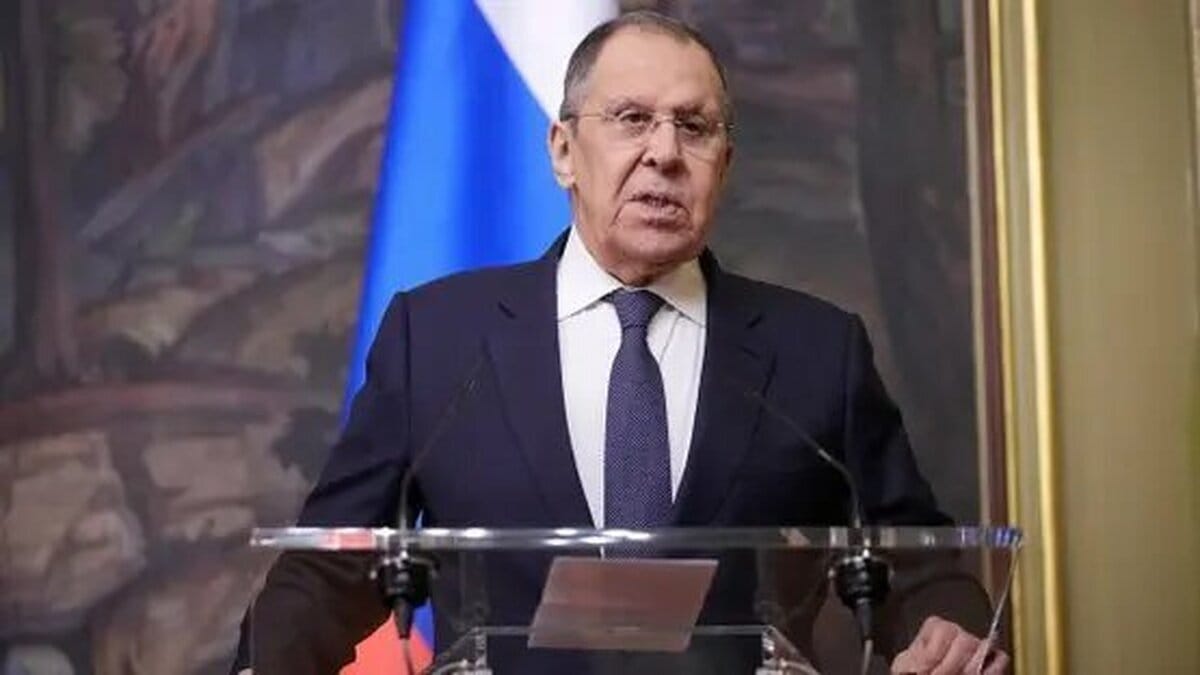
Russian Foreign Minister Sergei Lavrov said in a speech on Monday that Russia is “legally supplying Iran with the necessary military equipment,” stressing that the cooperation is within international law and based on existing bilateral agreements.
The statement came after the United Nations reimposed sanctions and restrictions on Iran on September 27 at the request of France, Germany and the United Kingdom, which said the country had failed to meet its nuclear commitments. The decision effectively reinstated six previous UN Security Council resolutions (1696, 1737, 1747, 1803, 1835 and 1929) and marked the formal conclusion of the so-called “snapback” process initiated by three European countries in late August.
The reinstated measures target Iran’s nuclear, missile, and conventional weapons activities, require a halt to uranium enrichment, prohibit the transfer of ballistic missile technology, and reimpose travel bans and asset freezes on designated individuals and entities. The resolution also authorizes the seizure of weapons and prohibited cargo related to Iran’s military programs.
However, Russia denied the legitimacy of these sanctions, claiming that it unilaterally and illegally triggered the snapback mechanism after European countries failed to meet their JCPOA obligations.
Meanwhile, Iran and Russia are implementing the 20-year Comprehensive Strategic Partnership Treaty, a landmark agreement aimed at expanding cooperation in defense, trade and energy.
The agreement was signed in Moscow on January 17, 2025 by President Masoud Pezeshkian and President Vladimir Putin, and officially entered into force on October 2 after ratification by the parliaments of both countries. Under the treaty, the two countries pledged to exchange information, strengthen defense cooperation, and provide mutual assistance in countering common security threats.
It also commits both parties not to support any nation or entity that takes aggressive action against the other party.
Despite sweeping Western sanctions, Tehran and Moscow have deepened cooperation in several areas, including military procurement.
Iranian lawmakers recently confirmed the arrival of Russian MiG-29 fighter jets, describing the move as a short-term solution to modernize Iran’s air force. More capable Su-35 fighter jets are expected to arrive “gradually” as part of the long-term defense plan, MP Abolfazul Zohrawand said.
He added that China’s HQ-9 air defense system and Russia’s S-400 artillery batteries are also being integrated into Iran’s air defense network.
Another lawmaker, Fada Hossein Maleki, said Iran’s General Staff is pursuing the acquisition of air defense systems from both China and Russia, reflecting Tehran’s strategic shift toward its eastern partners amid continued pressure from the West.