
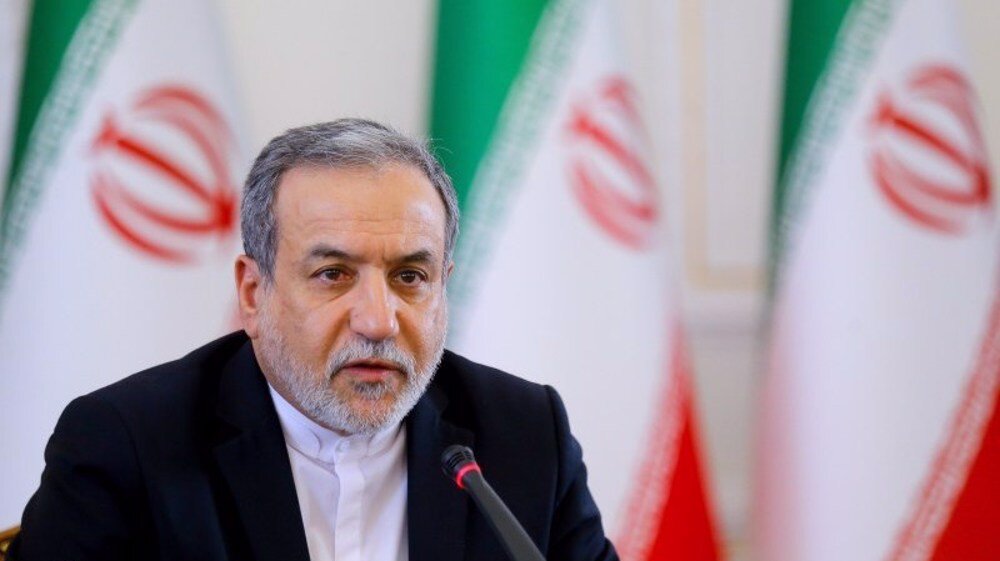
I am finalizing preparations to convene with other countries the 19th Interim Ministerial Meeting of the Non-Aligned Movement (NAM) to be held in Kampala on October 15-16, 2025, which has assumed considerable importance as modern international relations have become increasingly complex.
The meeting, convened under the Ugandan Presidency, constitutes both a review of the movement’s trajectory since the 19th Summit in January 2024 and a substantive platform for strategic reassessment. The conference, themed “Deepening Cooperation for a Shared Global Wealth,” will provide an opportunity to assess the implementation of previously adopted resolutions and deliberate on pressing issues, including United Nations institutional reform, terrorism, regional and subregional issues, human rights, climate change, trade, development, and the international peace architecture. For the Islamic Republic of Iran, NAM continues to embody the fundamental principles of national sovereignty and principled resistance to hegemonic structures, consistent with our foreign policy direction of dignified engagement and unwavering solidarity with the Global South.
Born from resistance to division
The creation of NAM in the 1950s and 1960s represented a deliberate and principled counter-narrative to both the colonial legacy and the polarities of the Cold War. At the historic Bandung Conference in 1955, Asian and African countries united in a firm rejection of imperialism and established the normative foundations of principles such as non-interference in internal affairs, mutual respect for sovereignty, and peaceful coexistence. This basic agreement culminated in the seminal 1961 Belgrade Summit, where the 25 founding members formalized nonalignment as a coherent strategy for autonomous diplomacy within the rigidity of superpower rivalry.
After the Islamic Revolution in 1979, Iran and the movement deepened their practical ties, and officially joined the movement at the Havana Summit in the same year. Our revolutionary spirit, fundamentally rooted in anti-imperialist principles and a desire for true independence, resonates deeply with NAM’s overarching mission and has enabled the Islamic Republic to champion transformative causes such as the liberation of Palestine and the democratization of world governance structures.
Adapting to the reality of multipolarization
Over the decades, NAM has demonstrated remarkable organizational resilience, expanding from its initial anti-bloc advocacy during the Cold War to tackling the multifaceted challenges of globalization since 1991. An initial focus on decolonization and defending a new international economic order has evolved into contemporary priorities including climate resilience, digital equity, counterterrorism cooperation, and pandemic response mechanisms. The movement, currently comprised of 120 member states, represents more than half of the world’s population and constitutes the world’s largest multilateral forum outside the United Nations.
Iran maintains an active and consequential role within this framework, hosting the 2012 Tehran Summit to advance substantive discussions, particularly on nuclear disarmament, Palestine, and collective resistance to unilateralism. Our position is principled and consistent: our unwavering support for Palestinian rights and our firm opposition to coercive sanctions that grossly violate their sovereignty and violate international law. Recent developments highlight this commitment. We have welcomed efforts aimed at halting the ongoing genocide in Gaza, while stressing the urgency of meaningful accountability mechanisms and a final end to the occupation. Similarly, we unequivocally condemn the acts of aggression committed against our sovereign territory by the United States and the Israeli regime, and consider the unwarranted attempts by some Western countries to use the Security Council to reimpose economic sanctions against the State of Iran to be a fundamental violation of multilateral commitments and the spirit of international cooperation.
Relevance amidst global rifts
The contemporary geopolitical situation has amplified the instrumental utility of the NAM as an essential forum for the majority of the world. In the Middle East, the recently negotiated ceasefire in Gaza provides respite from the devastating humanitarian losses (more than 67,000 Palestinians have been killed in the Israeli regime’s genocidal campaign in Gaza since 2023), but underlying structural tensions, including spillovers to Lebanon, Syria, and other countries in the region, highlight the fragility of regional stability. Zionist expansionism, combined with the Israeli regime’s possession of weapons of mass destruction, remains a fundamental cause of instability and unrest in the region.
Intensifying economic competition among major corporations is further complicating this complex geopolitical mosaic, with escalating trade disputes accelerating supply chain fragmentation and technological fragmentation. Emerging formations such as BRICS are challenging entrenched Western dominance by advocating comprehensive reform of the Bretton Woods system, organically aligned with the NAM’s long-standing advocacy for true multipolarity and fair global governance.
Populist turbulence and increasing fiscal constraints in European countries add to the layer of strategic unpredictability, creating considerable instability in the US administration’s diplomatic framework. Sanctions, more accurately characterized as “economic terrorism,” have significantly hindered development trajectories across the Global South, but they have also, paradoxically, promoted resilience through strengthening South-South cooperation mechanisms. In this complex context, NAM’s moral authority, fundamentally rooted in anti-hegemonic principles, allows for strong collective advocacy.
The Kampala ministerial meeting comes at a juncture when the ceasefire in Gaza marks the end of the genocide and persistent structural risks dampen cautious optimism. Its agenda includes a comprehensive assessment of the outcomes of the 2024 Kampala Summit. Deliberations will address current geopolitical tensions, development imperatives, and mechanisms to strengthen the NAM’s institutional role in the multilateral arena.
Iran looks forward to intensive and substantive exchanges to reaffirm solidarity with Palestine, including articulating demands for a durable ceasefire and a final end to the occupation. We firmly condemn unilateral coercive measures as a serious violation of international law. and explore innovative mechanisms for economic resilience. Under President Pezeshkian’s administration, we come to this gathering with a real commitment to constructive multilateralism, seeking concrete results that will substantively strengthen the institutions of the Global South, without excessive rhetoric or over-promising transformative paradigm shifts. Despite potentially limited attendance, such gatherings maintain important diplomatic momentum and prepare a substantive basis for future summits.
The NAM continues to exist precisely because it truly represents the world’s demographic and moral majority and offers a genuine democratic alternative to exclusive, self-selecting clubs like the G7. In an era characterized by cascading systemic shocks, from advanced cyber threats to humanitarian crises, the movement promotes strategic autonomy, allowing member states to navigate great power conflicts without succumbing to subordination or dependence. For Iran, it amplifies our principled demands for justice, equity, and comprehensive institutional reform.
As we gather in Kampala, let this session strengthen pragmatic unity based on common interests and common challenges. Iran remains steadfastly committed to building a truly multipolar world order in which prosperity is equitably distributed, aggression is systematically suppressed, and sovereignty is universally upheld as the basis of international relations.