
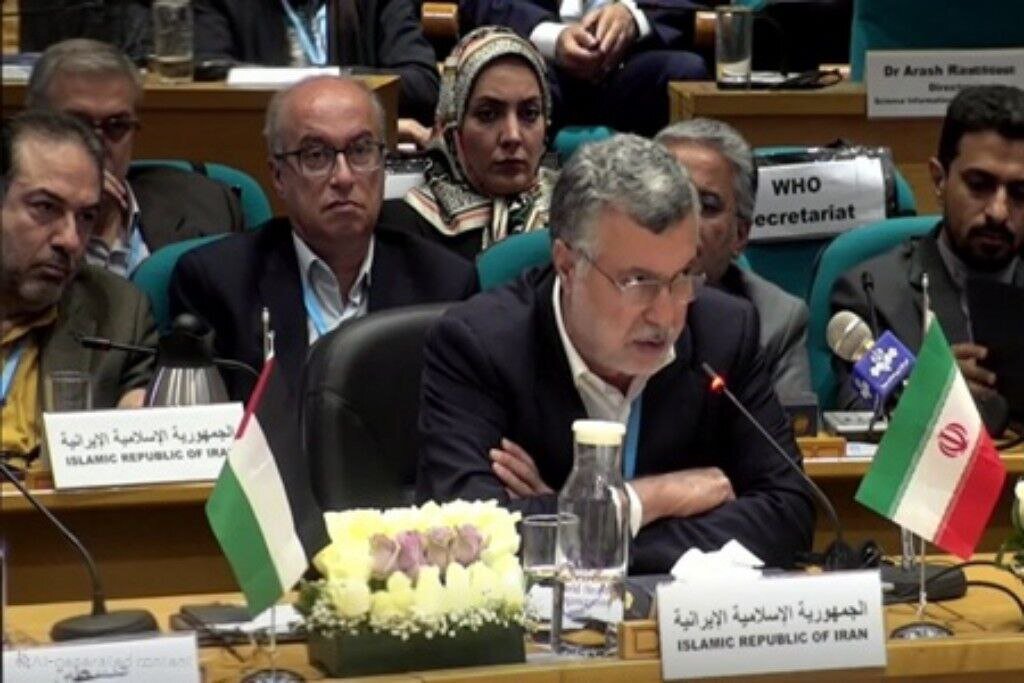
TEHRAN – Health Minister Mohammad Reza Zafarkandi called sanctions a silent war on public health and called on the World Health Organization (WHO) and member states to protect health systems from political pressure and sanctions.
Zafarkandi also called for stronger regional solidarity to fight the crisis and climate change, IRNA reported.
The official made the remarks while addressing the 72nd session of the World Health Organization (WHO) Regional Commission for the Eastern Mediterranean (RC72), which is being held in Cairo, Egypt, from October 15 to 17.
Over the past year, Iran’s health system has faced major challenges, including unjust sanctions and a 12-day war imposed by Israel. The latter targeted non-military and medical infrastructure, killing innocent children, women and medical staff, IRNA quoted Zafarkandi as saying.
He added that sanctions, as documented in the Lancet, have been a silent war on public health, systematically blocking access to essential medicines and causing widespread suffering and death among the most vulnerable patients, especially children.
These articles highlight that sanctions can cause as many or more casualties as war, Zafarkandi noted.
Despite immense economic pressure and sanctions, Iran remains committed to strengthening primary health networks, empowering communities to fight non-communicable diseases, addressing age discrimination and its impact on health, and addressing social determinants of health, such as poverty and environmental factors, towards achieving universal health coverage, the Minister of Health stressed.
He added that Iran remains resolute in its health diplomacy and believes that health is the strongest bridge to peace and sustainable development.
Noting the catastrophic situation in Gaza, officials said the widespread destruction and blockade of Gaza’s health system has led to one of the most serious humanitarian crises, and invited participants to help rebuild Gaza’s health infrastructure.
Organized by the WHO Regional Office for the Eastern Mediterranean, RC72 brings together health ministers, policy makers and regional leaders to address urgent health priorities and long-term reforms.
RC72 provides a platform for countries to deliberate and adopt resolutions on the region’s most pressing health issues. This year, five technical documents will be published encouraging Member States to:
By 2030, halve the number of unvaccinated children (children who have never been vaccinated) and eliminate rubella and congenital rubella syndrome.
Integrate palliative care into the national health system. Millions of people, including cancer patients, children with congenital conditions, and refugees with chronic illnesses, die of unavoidable suffering.
The new resolution will work to restore health systems in countries affected by the crisis, including Afghanistan, the Occupied Palestinian Territories, Sudan and Yemen. We aim to ensure that the humanitarian response is linked with early investments to rebuild health systems, restore trust and strengthen future resilience.
Rethinking laboratory safety and governance, a long-overlooked area of community health security.
Regional consultations to develop climate-resilient health frameworks. Building on the Global Plan of Action on Climate Change and Health adopted by the World Health Assembly earlier this year, WHO EMRO is proposing a consultative process to develop a regional operational framework on climate and health.
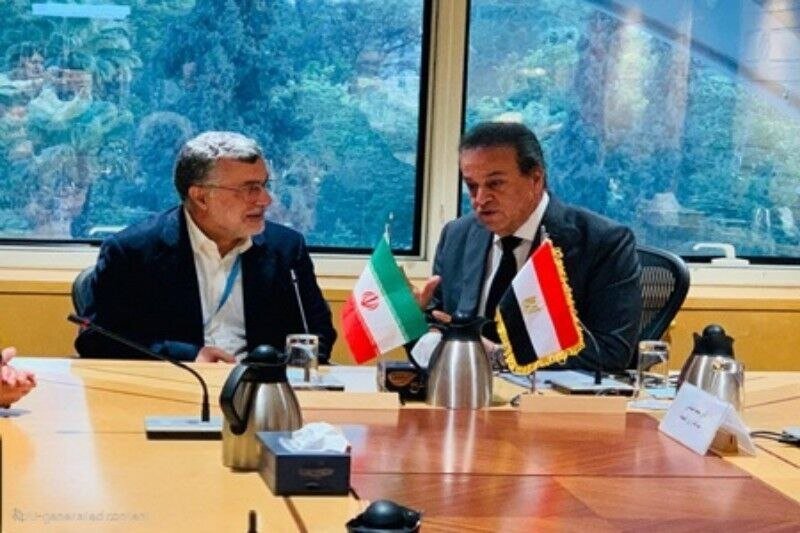
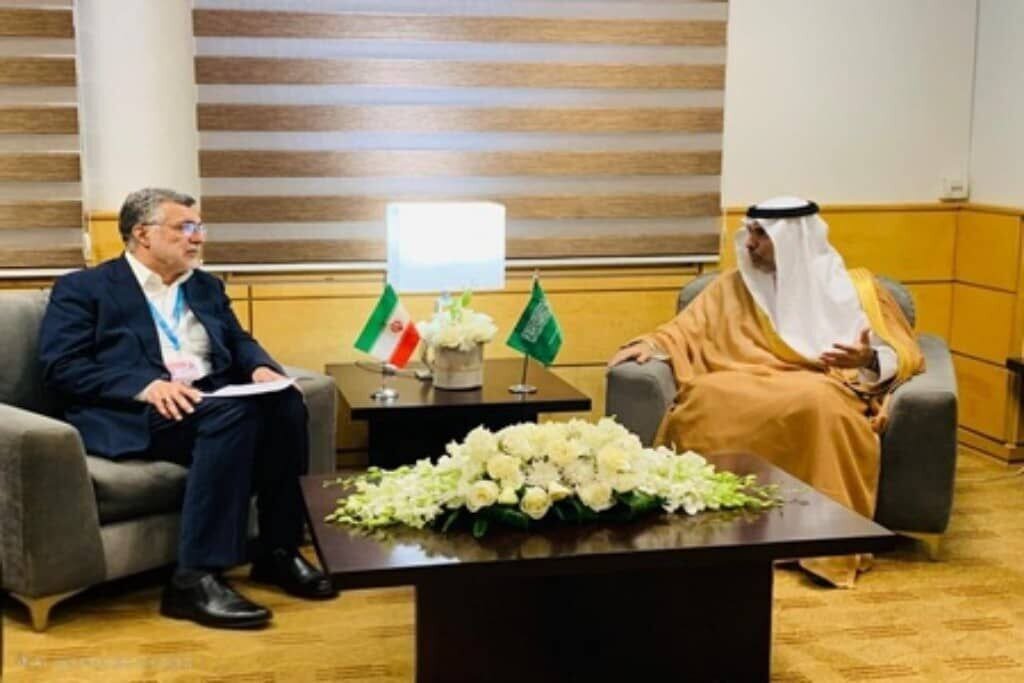
On the sidelines of RC72, the Minister of Health has previously held talks with his counterparts from Saudi Arabia and Egypt.
In a meeting with Saudi Arabia’s Health Minister Fahd bin Abdulrahman Al Jalajer, both countries emphasized the need to strengthen cooperative efforts.
Emphasizing the implementation of health agreements and strengthening scientific, educational and medical cooperation, Mr. Zafarkandi said collaborative efforts will contribute to improving regional health.
Mr. Al Jalajel invited Mr. Zafarqandi to the Global Health Exhibition, which will be held from October 27 to 30 at the Riyadh Exhibition and Convention Center in Malham, with the theme “Investing in Health.”
Egyptian official Khaled Abdel Ghaffar highlighted the similarities between Egyptian and Iranian healthcare systems and conditions, saying the two countries could cooperate in various medical fields, including the production of medicines.
Mr. Zafarkandi emphasized promoting cooperation between medicine and pharmaceuticals. The official also introduced a representative to follow up on the implementation of the agreement.
MT/MG