
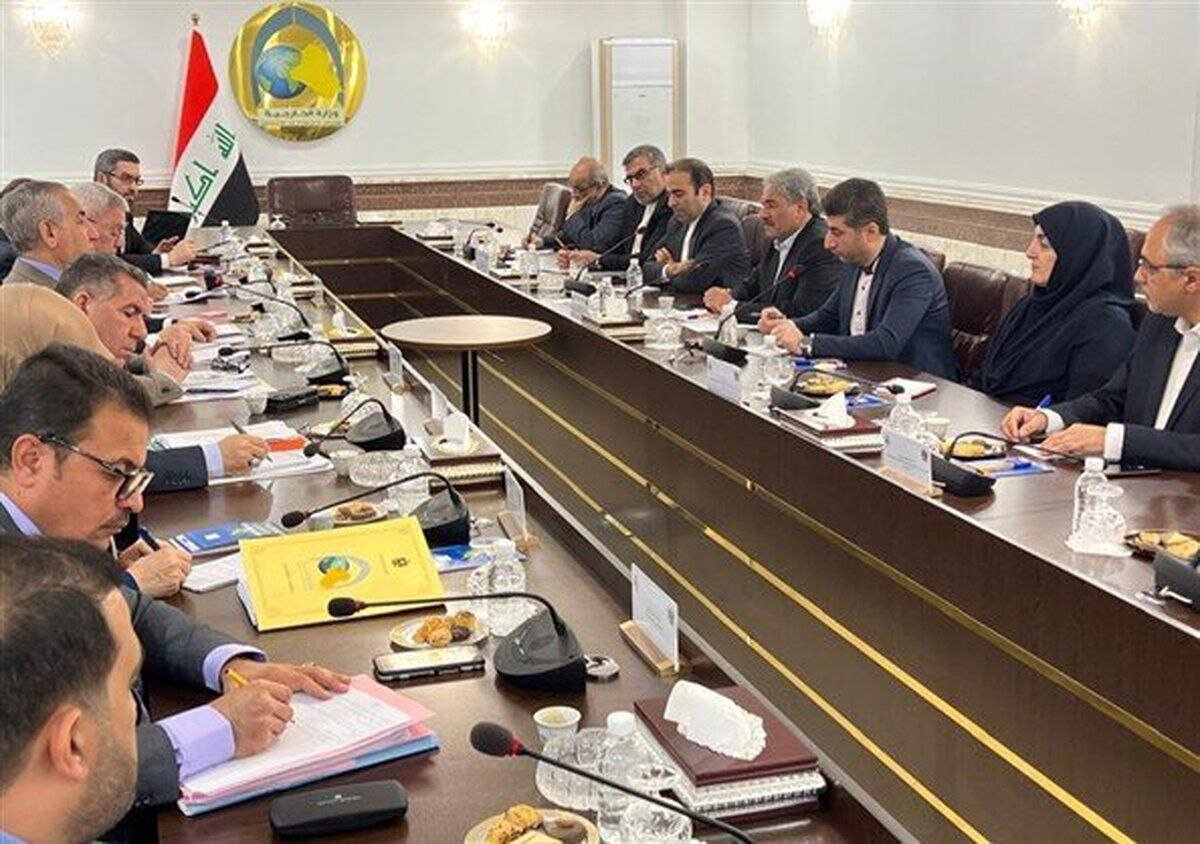
TEHRAN – Iranian and Iraqi officials discussed the challenges facing the Awa al-Azim wetland, located on the border between the two countries, particularly drought and spontaneous combustion.
According to a report in doe.ir, Iranian Environment Ministry officials emphasized Iraq’s provision of water rights to the wetlands at a meeting in Iraq, but in the absence of these, the wetlands have so far dried up, causing spontaneous combustion and releasing large amounts of air pollution and smoke, negatively impacting the cities of Khuzestan province.
They also emphasized the importance of managing Tigris River resources and water consumption in order to provide wetland water rights, prevent the intensification of fires in the Iraqi part of the Awa al-Azim wetland, and prevent the transfer of pollutants to Khuzestan province.
Iraqi officials representing the Ministry of Foreign Affairs detailed the storage capacity of dams built on the Tigris River and the region’s severe drought, and promised to secure water rights for next year.
Both sides also discussed the use of firefighting aircraft and helicopters to differentiate fires and manage wetlands.
Promoting scientific cooperation to address common environmental problems was among other issues discussed at the conference.
Iran prioritizes cooperation with Iraq to alleviate SDS
Iraq’s dust storm (SDS) hotspots are severely impacting the western and southwestern regions, and the administration has emphasized working with Baghdad to address the issue.
On September 15, 2024, Foreign Minister Abbas Arakchi, in a meeting with Environment Ministry Secretary Shina Ansari, emphasized that one of the main pillars of cooperation with Iraq will focus on the implementation of joint environmental activities and the follow-up of previous agreements made in this regard, IRNA reported.
A report published by four Iranian researchers suggests that the main sources of sandstorms and dust storms affecting Iran emanate from Iraq, Syria, and Saudi Arabia.
The report, titled “Dust in Western Iran: New sources emerge as water bodies shrink,” was written by Azar Beiranvand, Qasem Azizi, Omid Alizadeh, and Ali Darvisi Bolorani and was published in Nature on September 27, 2023.
“The most influential sources affecting western Iran were located on the shores and northwest of Thartar Lake, Awa al-Azim swamp, Razaza lake shore, Habbaniyah lakes, and West Hammar swamp, resulting in 110, 79, 59, 56, and 51 dusty days, respectively.”
In fact, the peak of dust activity in western Iran was between 2008 and 2012, in response to the significant shrinkage of Iraq’s main water bodies.
The main sources of dust affecting western Iran are located in northern and eastern Saudi Arabia in the spring, in Aleppo and Deir Izul in Raqqa in Syria in the summer, and in Homs and Al-Hasakah in Syria in the winter and spring.
Western Iran here refers to the western half of Iran, including northwestern, western, and southwestern Iran. To identify the dust phenomena that occurred in western Iran during the period 2000–2016, meteorological data from 33 synoptic stations were obtained from the Iranian Meteorological Organization.
Approximately 1133.5 km2 of area in West Asia that had persistent surface water in 1984 was completely dry in 2015 and could become a source of dust.
Reduced precipitation and severe droughts in West Asia from autumn 2007 to 2012 have also contributed to the shrinkage of lakes and wetlands in West Asia and to a decline in agricultural productivity, all of which have contributed to the intensification of dust activity in western Iran in recent decades.
According to the results, Iraq is the main source of dust affecting western Iran. With the decline of surface water in Iraq’s lakes, several new dust sources have emerged, contributing to the significant increase in dust activity in western Iran in recent years.
MT/MG