
TEHRAN – The Food and Agriculture Organization of the United Nations (FAO), in collaboration with the Government of the Islamic Republic of Iran, has launched a new regional technical cooperation project aimed at strengthening national and regional capacities for climate-resilient agriculture.
The project also extends to Afghanistan, Bhutan and Mongolia and aims to promote sustainable intensification of quinoa, millet and soybean, crops known for their drought tolerance and nutritional value.
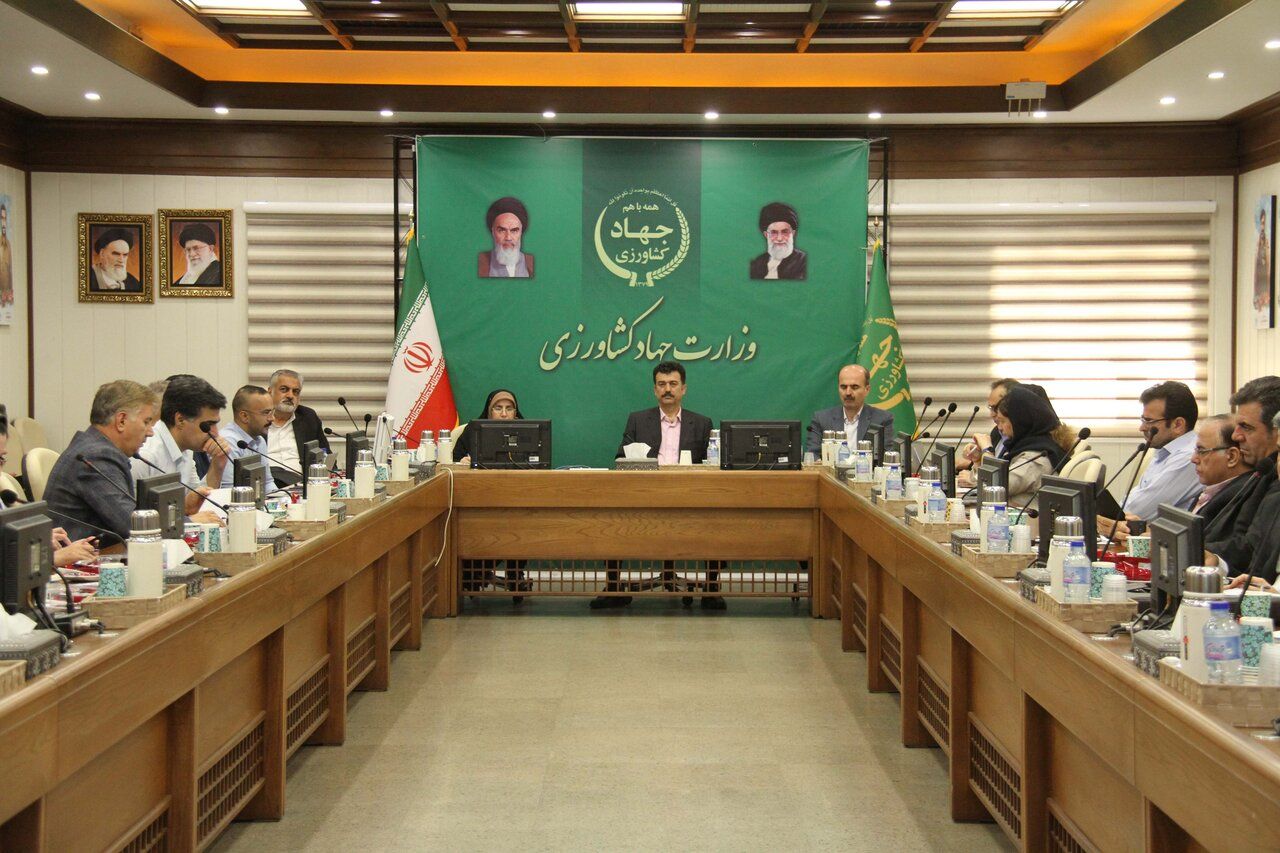
The project was formally introduced at a national implementation workshop held in Tehran on 21 October 2025, attended by approximately 40 participants representing governments and the private sector, research institutions, civil society organizations, professional associations, farmers, and the food and feed industry, as well as representatives from the FAO Regional Office for Asia and the Pacific and the FAO Representative in Iran.
The workshop formed three product-based groups of stakeholders to discuss the project background, objectives, expected outcomes, implementation strategy, prioritize activities, and finalize the country’s work plan based on country needs and participant feedback.
Located in an arid and semi-arid region, the Islamic Republic of Iran faces water shortages and recurrent droughts, placing increasing strain on its agricultural system. With agriculture accounting for almost 80% of total water withdrawals, this sector is vulnerable to the effects of climate change, including reduced precipitation, increased temperatures, and accelerated evaporation rates.

In response, FAO regional projects provide a framework for countries to address water and climate challenges through agricultural innovation, technology transfer, institutional strengthening and raising awareness about the nutritional and environmental benefits of climate-resilient crops.
In the country, the project will scale up drought-tolerant crops such as quinoa, millet, and soybean, promote good agricultural practices (GAP), participatory variety selection (PVS), and farmer field schools (FFS) to improve productivity and sustainability, build the country’s capacity in climate-resilient farming systems and water-efficient practices, and foster partnerships between research institutions, farmers, and private sector stakeholders to scale up long-term adoption and results.
This initiative supports Iran’s broader strategy to adapt agriculture to changing climate conditions, while safeguarding food and nutritional security for future generations by diversifying production systems and increasing water productivity.