
TEHRAN – A recurring lesson for Iranians is that no matter what they do or offer, Western countries, especially the United States, are reluctant to pursue a path to detente. This was recently demonstrated in Iran’s efforts to prevent a “snapback.” The JCPOA mechanism was scheduled to reimpose anti-Iran UN sanctions this month, but was never fully realized due to significant international opposition.
The snapback mechanism was formally activated in late August by the European signatories of the JCPOA (the United Kingdom, Germany, and France). On September 19, the United Nations Security Council resolved not to permanently lift the pre-JCPOA UN sanctions against Iran. On September 27, the Security Council also rejected a resolution proposed by Russia and China, the remaining signatories of the JCPOA along with Iran (from which the US withdrew in 2018), to delay the reinstatement of sanctions. The next day, E3 announced that UN sanctions against Iran had been officially reimposed.
According to information obtained by Tehran Times, Iran made great efforts to prevent the reimposition of UN sanctions. Officials in the country believed that any further escalation of tensions was in no one’s interest, and that all diplomatic tools should be used.
The Cairo Accord and the unprecedented proposal for enriched uranium
The European side said it triggered the snapback because of “concerns.” These include the Iranian government’s suspension of cooperation with the International Atomic Energy Agency (IAEA) after the June war, and the location of Iran’s stockpile of enriched uranium, particularly at 60% enrichment, reportedly in nuclear facilities illegally attacked by Israel and Washington.
In November, Iran sent Foreign Minister Abbas Araghchi to Cairo to sign a new cooperation agreement with the IAEA. The agreement, which has since been rescinded, drew significant criticism within Iran. The public’s long-held belief that the United Nations nuclear watchdog is not a technical, neutral body and functions as a tool of the West was significantly exacerbated by the agency’s refusal to condemn illegal attacks on Iran’s nuclear, civilian, and military infrastructure during the 12-day U.S. and Israeli invasion of Iran.
According to information obtained by the Tehran Times, Iran expressed its readiness to address Western concerns about its enriched uranium stockpile between late August and late September. The Iranian government initially planned to send 60% enriched uranium to Russia. But then it informed Europe and the United States that it was prepared to transfer uranium directly to the West if the snapback mechanism was abolished. Both Europe and Washington welcomed the offer.
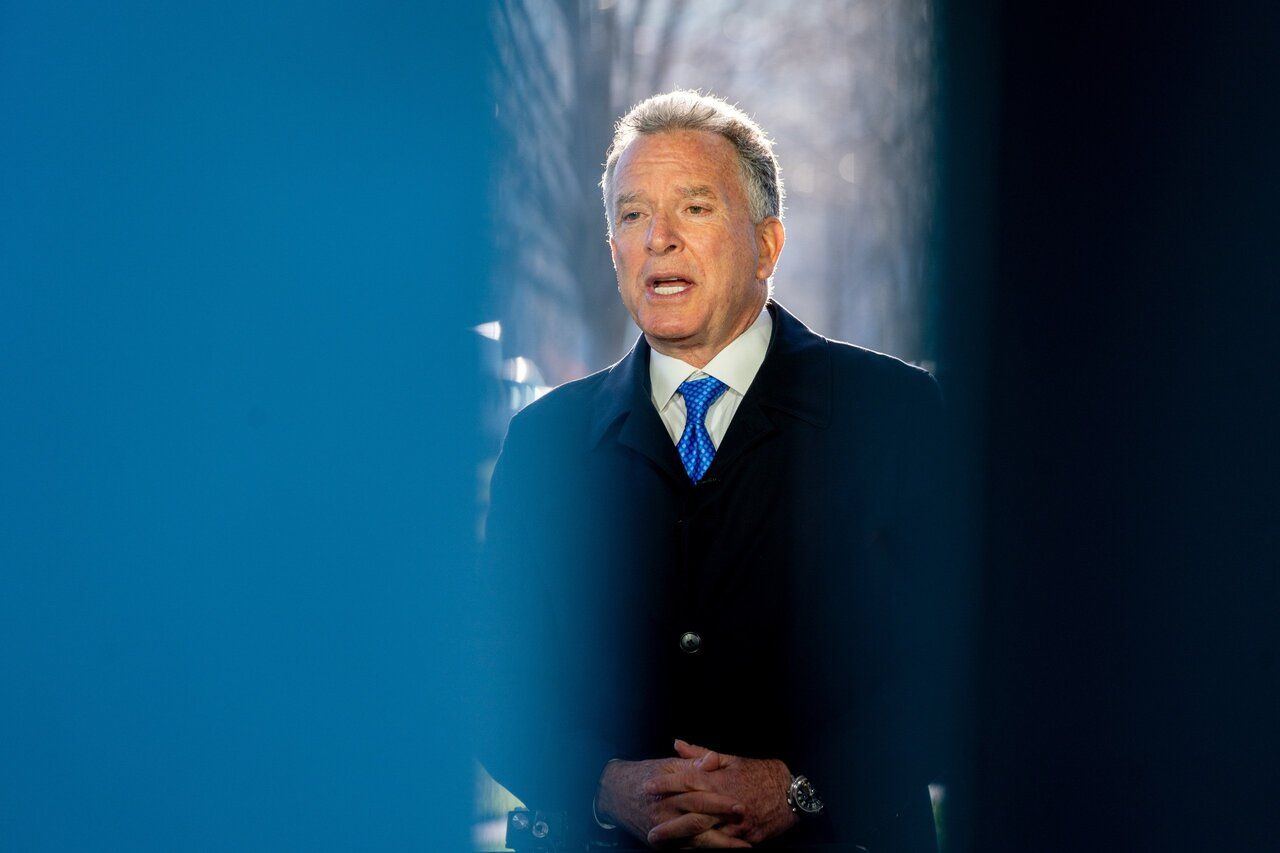
The United States subsequently requested a trilateral summit meeting in New York, attended by the Iranian representative, IAEA Director Rafael Grossi, and US Presidential Special Envoy Steve Witkoff, and made public the developments. The meeting was planned to coincide with the visit of the Iranian delegation for the annual United Nations General Assembly. Tehran agreed, and the summit was subsequently expanded to include E3.
Things go south again
Just as the Iranians were preparing to depart for New York, Witkoff informed Araghchi that Washington had unilaterally changed the terms of the agreement. The new condition was that the United States would only ask European countries to extend the snapback if Iran handed over the uranium. Araghchi flatly rejected this, saying that Iran would never allow another country to “dictate” the deal and would rather cancel the planned summit altogether. Despite Europe’s persuasion efforts, the Trump administration remained unmoved.
Although UN sanctions prior to the JCPOA have been formally reimposed, they have not been implemented. Russia and China consider these sanctions illegal and have declared they will not comply. Additionally, at a recent summit in Uganda, at least 120 other countries pledged to refrain from imposing sanctions on Iran. However, the turmoil sent Iran’s rial to new lows, although the decline has subsided significantly over the past two weeks.
Iran continues to possess 60% enriched uranium and cooperation with the IAEA remains suspended. It is unclear whether another round of talks will take place in the near future. Islamic Revolution leader Seyyed Ali Khamenei said this week that his country’s nuclear power industry “has nothing to do with the United States,” suggesting that the West may have squandered every diplomatic opportunity.