
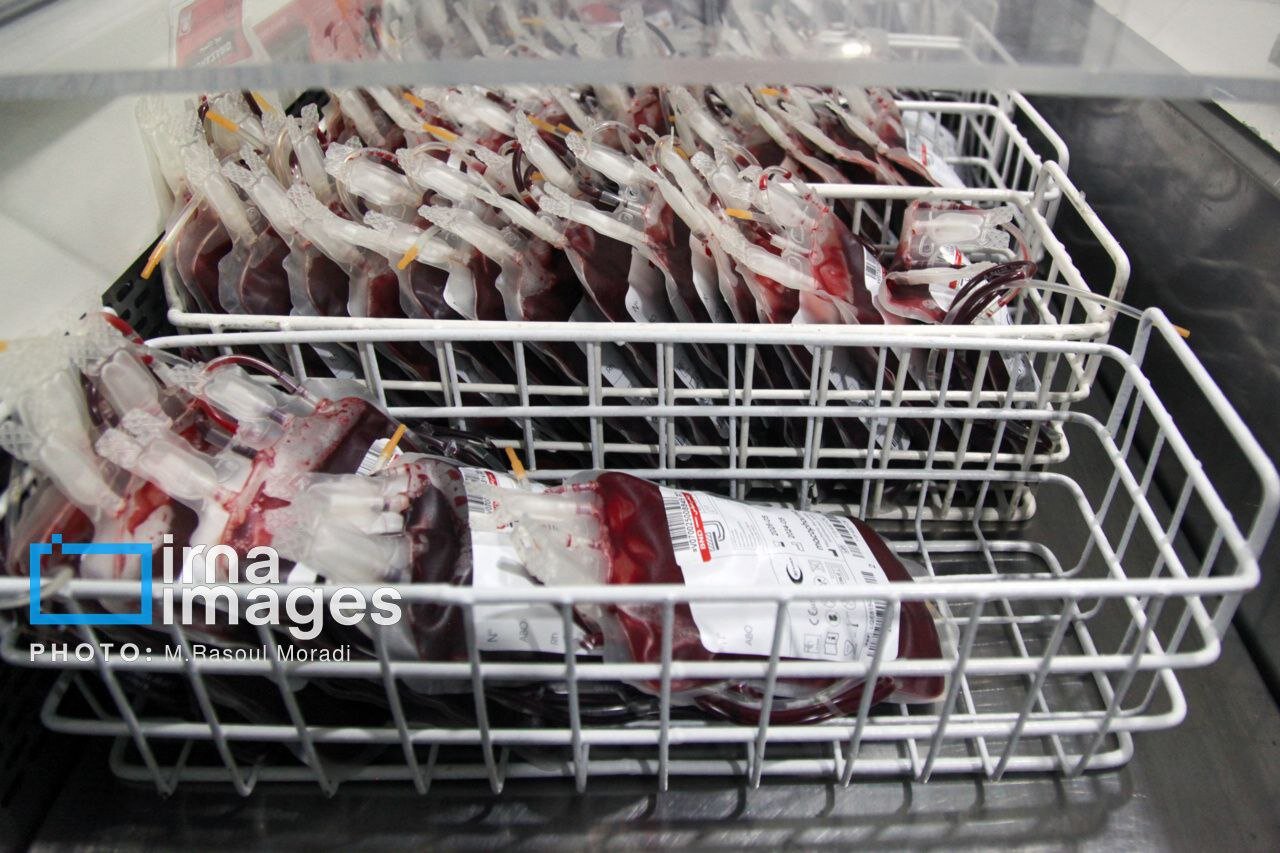
TEHRAN – A total of 1,435,183 Iranians donated blood in the first seven months of the current Iranian calendar, which began on March 21, according to Blood Transfusion Organization officials.
IRNA quoted Shahram Mirzai as saying that the highest growth in blood donations was recorded in Sistan-Baluchestan, Zanjan and Fars provinces, respectively.
Mirzai pointed out that the proportion of women in blood donations in the country is about 5%. The regions with the highest number of blood donations by women were North Khorasan and Lorestan (over 9%), Qazvin (8%), Kermanshah and Ilam (over 7%).
Tehran province accounted for more than 16% of the total blood donations during the same period. Approximately 221,406 blood donations were made in Tehran during the same period.
Fars and Khorasan Razavi provinces donated 8% and 7% of the total blood donations, respectively, during the seven-month period.
The official further said that in the past seven months, the country’s continuous blood donation growth rate has risen to more than 55%. The highest rates of continuous blood donation are in Semnan (approximately 68%), Golestan (approximately 66%), and Qom (more than 65%).
Blood type O+ was the most common, accounting for over 34% of donors.
AB negative is the rarest blood type, with less than 1% of people having it and receives the least amount of blood from donors.
WHO praises IBTO’s achievements
In January, World Health Organization Director Jafar Hussein praised the leadership of the Iranian Blood Transfusion Organization (IBTO) in blood safety and blood transfusion services, highlighting the organization’s remarkable achievements of a 100% voluntary, non-remunerated blood donation system, which is proof that the principles of universal health coverage are being put into practice.
He also thanked blood donors, saying their selflessness is an inspiration to everyone.
The official praised IBTO’s efforts and expertise in serving patients with rare blood types and highlighted Iran’s ability to serve as a model for other countries in the field of blood transfusion and rare blood management.
The official, speaking on National Rare Blood Day on January 22, praised the country’s steadfast commitment to equitable access to healthcare, ensuring no one is left behind, regardless of blood type.
The official emphasized the importance of collaboration, innovation and unwavering determination in this global effort, and praised the country’s unwavering dedication to addressing the unique challenges surrounding rare blood, the WHO website said in a press release on January 27.
He praised the leadership of the Iranian Blood Transfusion Organization (IBTO) in blood safety and blood transfusion services, and highlighted the remarkable achievements of the 100% voluntary and unpaid blood donation system, which is proof that the principle of universal health coverage is put into practice. He also thanked blood donors, saying their selflessness is an inspiration to everyone.