
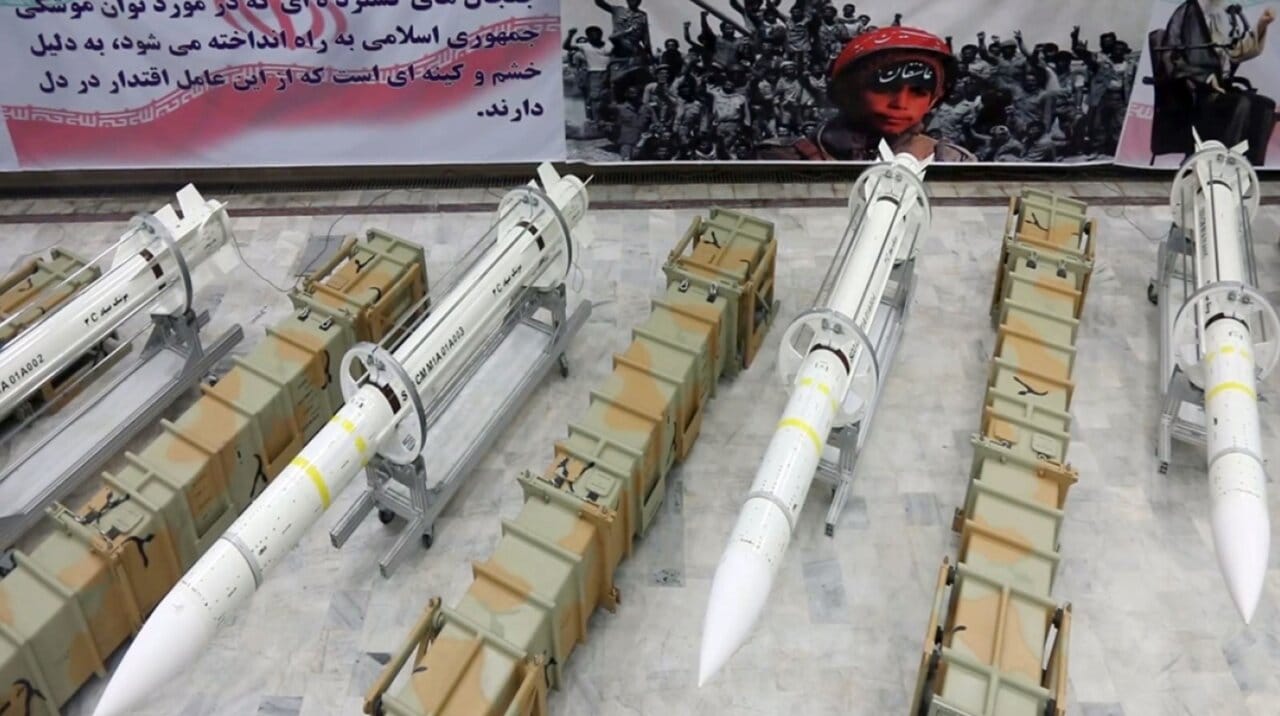
TEHRAN – Iran’s defense minister said the country’s defense products have improved in both quality and quantity compared to before Israel’s military invasion.
Brigadier General Aziz Nasirzadeh said in a public session of parliament that the improvements made the Iranian people as a whole happy.
The Israeli regime launched a blatant and unprovoked military invasion against Iran on June 13, 2025, sparking a 12-day war that left well over 1,000 people dead in the country, including military commanders, nuclear scientists, and civilians. The United States also became involved in the war by bombing three Iranian nuclear facilities in serious violation of international law.
In response, Iranian forces attacked strategic locations throughout the occupied territories and the largest US military base in West Asia, Al Udeid Air Base in Qatar. A ceasefire was reached on June 24 after Iranian missiles inflicted heavy damage on Israel and the United States.
The important role missiles play in Iran’s defense has led to growing calls among its people to step up its weapons development and production. Revolutionary Guard aerospace officials recently said the public is demanding the military spend money on missile production.
Although production has increased significantly, a senior Iranian official said last week that nearly all of the country’s underground missile facilities are safe and sound and have not been damaged or disabled by the war.
“Almost all of our underground and mountain missile infrastructure is intact and there are no particular problems,” said Brigadier General Gholamreza Jalali, head of the country’s passive defense mechanism.
Another Iranian military commander had earlier said that Iran’s missile capabilities were completely intact. Brigadier General Mohammadreza Naqdi said a few weeks ago that “our missiles are without a single scratch.”
The commander-in-chief’s comments followed Tel Aviv’s claims that some of Iran’s missile capabilities were destroyed during the Israeli invasion.
The senior commander added that Iran responded in response to Israel’s military attack.
A third Iranian commander also said his country was preparing for a two-month war following the Israeli attack. “Our war strategy was to inflict more effective and more devastating blows in stages through proper management,” said Maj. Gen. Mohsen Rezaei.
During Israel’s 12-day war with Iran in June, the United States destroyed about a quarter of its supply of advanced THAAD anti-missile missiles, according to two sources familiar with the operation.
The US military responded to Tehran’s barrage of ballistic missiles by firing more than 100 THAAD (Terminal High Altitude Area Defense) missiles, possibly as many as 150, a significant portion of the US’s stockpile of advanced air defense systems. The United States has seven THAAD systems, two of which were used by Israel during the conflict.