
TEHRAN – The Department of Environment (DOE) announced the launch of a new phase (2025-2028) of wetland conservation projects to enhance sustainable livelihoods and reduce pressure on wetland ecosystems.
IRIB news agency quoted Energy Ministry official Feresht-e Jadri as saying on Tuesday that the project provided the basis for promoting wetland protection and improving sustainable resource use, backed by successful experiences in the Urmia Lake, Gilan, Fars and Parisian watersheds, as well as the watersheds of East and West Azerbaijan Oblasts.
She added that the pilot implementation of the project in Shedegan and Bebahan in the previous phase has yielded important results and with these results the project will enter a new phase with the support of international and national organizations.
The official went on to highlight the role of technical and vocational education and training in enabling local people to protect wetlands and improve their incomes.
Improving wetland conservation
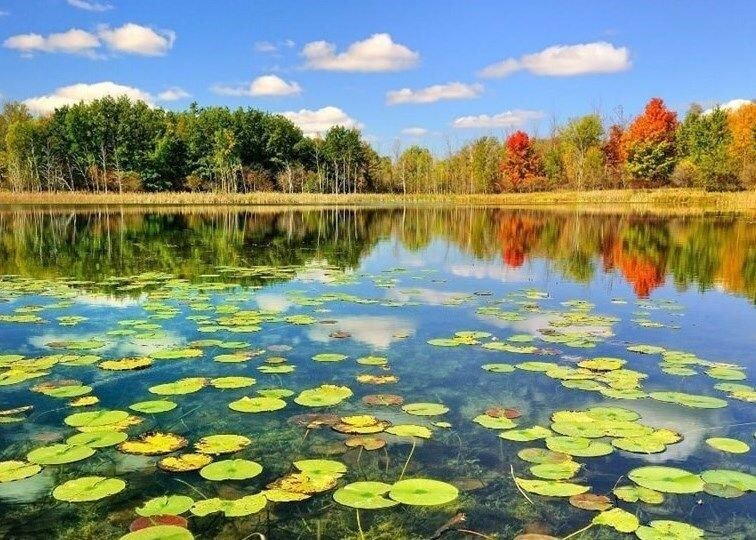
Wetlands represent important ecosystems and are known as the kidneys of the earth. These ecosystems provide clean water, protect against flooding, restore underground aquifers, and maintain surface water flow during dry periods, among other things.
Iran’s geography is unique and full of diverse landscapes. In Iran, 141 wetlands of ecological value have been identified, covering an area of more than 3 million hectares, 27 of which are registered under the international Ramsar Convention.
The latest strategies taken for wetland conservation include: In June, the DOE and the Department of Agriculture signed a memorandum of understanding (MOU) to launch a national plan to empower local communities to protect and promote the sustainable use of wetlands.
The main objective of this MOU was to transform wetland protection from a government initiative to an overarching social responsibility, with a focus on training, empowerment and involvement of local communities.
In February, the Department of Energy and the United Nations Development Program (UNDP) expanded their partnership by signing a three-year memorandum of understanding (MOU) to conserve wetlands projects in Iran.
ISNA reported that the MOU was signed by DOE Secretary Shina Ansari and UNDP Interim Representative to Iran Aishani Medagangoda-Rabbeh at a meeting in Bushehr province.
Launched in 2005, the Iran Wetland Conservation Project (CIWP) has contributed to the conservation of targeted wetlands in Iran through an ecosystem-based management approach.
During the meeting, Stephen Priesner, UN Resident Coordinator for Iran, said this memorandum and its extensions are one of the most important pillars of wetland conservation in the UN roadmap.
Furthermore, Iran played an important role in the establishment of the Ramsar Convention, stressing that it was one of the first international agreements on sustainable development.
The official continued: “We face a triple environmental crisis: climate change, a biodiversity crisis and air pollution. The United Nations has a precise and coherent plan to solve these three problems.”
MT/MG