
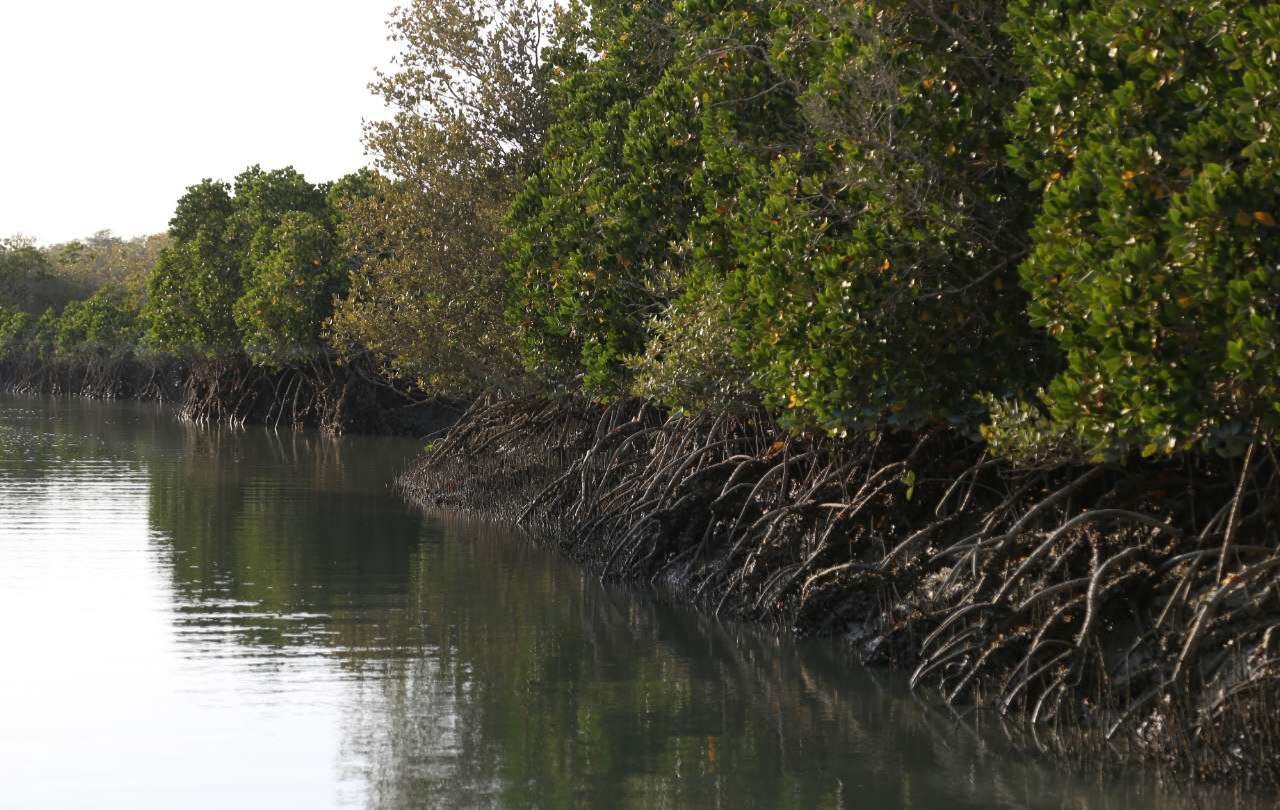
TEHRAN – The first global assessment of mangroves by the International Union for Conservation of Nature (IUCN) has classified mangrove forests in the Persian Gulf as overall vulnerable (VU).
According to the ISNA report, mangrove forests are categorized as “vulnerable” for changes in geographic distribution, “least concern” for restricted geographic distribution, “least concern” for abiotic components, and “least concern” for biotic components of the ecosystem.
IUCN assessment results can serve as the basis for national and regional decision-making and interventions. Our results indicate that planning, continuous monitoring, and integrated management of these ecosystems should be prioritized. Otherwise, these ecosystems may move into a more dangerous category.
Mangrove ecosystems are critical to biodiversity conservation, provide essential goods and services to local communities, and mitigate the effects of climate change. Therefore, understanding the risks of ecosystem collapse has profound socio-economic implications.
According to data published in various sources, the total area of mangrove forests in the Persian Gulf and the Sea of Oman is about 250 square kilometers, with Iran accounting for the largest share at 138 square kilometers.
Most of Iran’s mangrove forests consist of the Avicenna Marina, known as Hala, named after the great 11th century Iranian scientist Avicenna, or Abu Ali Sina. The original forest area is over 27,000 hectares.
The forest stretches from Naiband Bay in southwestern Bushehr province on the coast of the Sea of Oman to Gobatel Bay in southeastern Sistan-Baluchestan province.
More than 90 percent of these forests, both in quality and quantity, are located in the southern parts of Hormozgan province, such as Hamir Port and Qeshm Island, but some are located in the Hor Azini ruins in Sirik County, Hormozgan province, where the species Rhizophora mucronata inhabits.
The main challenges facing mangroves include wastewater from the oil, gas and petrochemical industries and fish farms near mangroves, logging, livestock grazing, substandard construction, unregulated tourism, plant pests, reduced freshwater inflows due to dam construction, and pesticides.
The world’s mangrove ecosystems cover approximately 150,000 km2, primarily along the world’s tropical, subtropical, and some warm-temperate coasts. Approximately 15 percent of the world’s coastlines are covered by mangroves.
Threats to mangroves are rapidly evolving. Degradation from timber development, deforestation for agriculture and shrimp farming, and indirect impacts from dam construction that alter freshwater and sediment flows. Mangrove forests now face additional challenges from climate change, including rising sea levels and increased frequency and intensity of cyclones.
According to the first global assessment, 50% of mangrove ecosystems are at risk of collapse (in IUCN threat categories Vulnerable (VU), Endangered (EN), or Critically Endangered (CR)), which also represent 50% of the world’s mangrove areas, and one in five is at serious risk of collapse. (Vulnerable or Critically Endangered). Others are Near Threatened (NT), Least Concern (LC), or Not Evaluated (NE).
Mangrove ecosystems are remarkable for their ability to provide essential ecosystem services to people, including coastal disaster risk reduction, carbon sequestration and long-term storage, and ecological support for fisheries and biodiversity.
Currently, the world’s mangroves store approximately 11 billion tonnes of carbon, almost three times the amount stored by tropical forests of the same size, and protect 15.4 million people and US$65 billion worth of assets from coastal disasters annually. By 2050, this could increase to 15.5 million people and US$118 billion due to population growth and rising property values.
They support 126 million days of fishing each year, providing an important food source for humans living near our coasts and beyond, and provide valuable employment through millions of fishing-related jobs.
MT/MG