
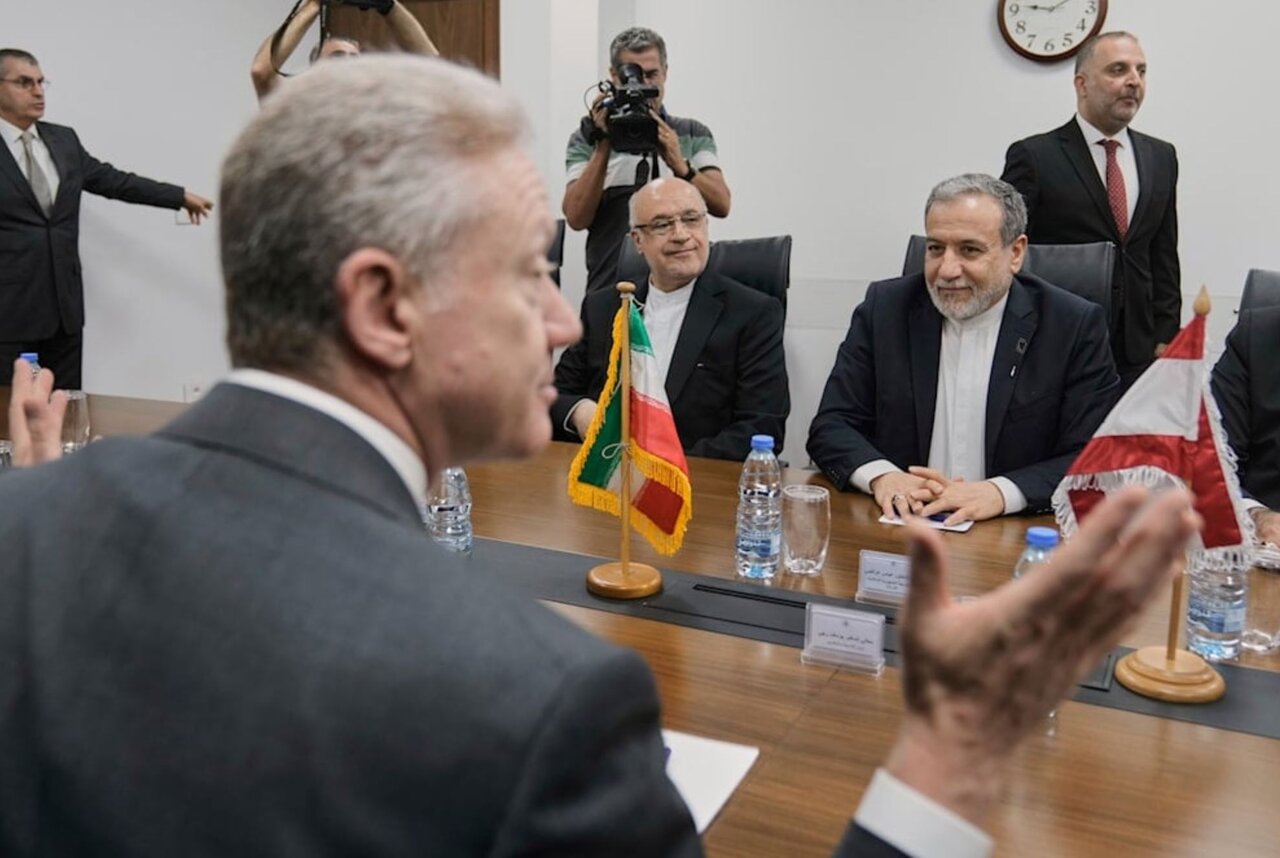
TEHRAN – Tehran moved to calm down diplomacy on Thursday after Iranian Foreign Minister Abbas Araghchi strongly expressed the Islamic Republic’s unwavering respect for Lebanon’s sovereignty, following what appeared to be an excessive and unexpected reaction by Lebanon’s top diplomat to warnings by Iranian politicians that Lebanon’s defense capabilities were being eroded amid continued Israeli aggression.
In a written message to his Lebanese counterpart Youssef Razizi, Aragushi referred to the long-standing friendship between the two countries, according to a statement released by Iran’s Foreign Ministry.
“We underlined Iran’s continued support for Lebanon’s territorial integrity and sovereignty, national unity, internal security and stability, especially in the face of the Israeli regime’s acts of aggression,” the statement said.
Araghchi also invited Rajji to visit Tehran to discuss expanding bilateral relations and regional and international developments.
The invitation is the second time that Iran’s foreign minister has requested a visit from the Lebanese side in the past few weeks. The first incident occurred after Rajji said in an interview with Arab media that he wanted to sit down and negotiate with Araghchi, despite years of close contact between the two countries. A number of Iranian officials, including Araghchi, visited Beirut this year and met with the country’s leaders, as is common in previous years.
After extending the initial invitation, Araghchi said he would be willing to discuss bilateral relations with the Lebanese side, adding that Iran does not want to speak out or intervene in Lebanon’s internal affairs. Mr. Raji did not accept the invitation, but later told Mr.
Ali Akbar Velayati, a former foreign minister and current foreign policy adviser to the Iranian leader, said in an interview that it would be extremely dangerous to disarm Hezbollah at the request of the US government, even though the US has no intention of guaranteeing Israel to abide by the 2024 ceasefire. Hezbollah is the “pillar of Lebanon’s defense.”
Hezbollah was formed in 1982 during Israel’s occupation of Lebanon. After the Lebanese army struggled to stand up to the regime, it succeeded in forcing Israeli troops out of the country. Hezbollah is still believed to be more powerful than the Lebanese army, which receives weapons and training from Israel’s Western patrons.
Lebanese authorities have been unsuccessful in forcing Israel to abide by the 2024 ceasefire, which the regime violates almost daily. Dozens of Lebanese have been killed in Israeli airstrikes since November last year. Hezbollah has so far refrained from responding to these violations and appears to want the government to take responsibility for the issue.
The Lebanese foreign minister’s remarks about “Iranian interference” provoked a negative reaction from the Lebanese people. In a reply to Mr. Raji’s X post, one citizen asked, “Now, please do the same for the United States and Israel.” Another user said: “Isn’t it Israel that bombs our country over and over again with support from Washington?”
The United States has been pressuring Lebanon to disarm Hezbollah, even providing the country with an implementation plan and timeline. However, it has not called on Israel to stop its attacks.
Iran has warned against disarmament, but says it will abide by collective conclusions reached by the Lebanese.