
Tehran – Tourism activists should not be passive during the war crisis, said Governor Mehdi Jamarinejad, Governor of Isfahan.
He added that the ground is also capable of preparing for an economic leap.
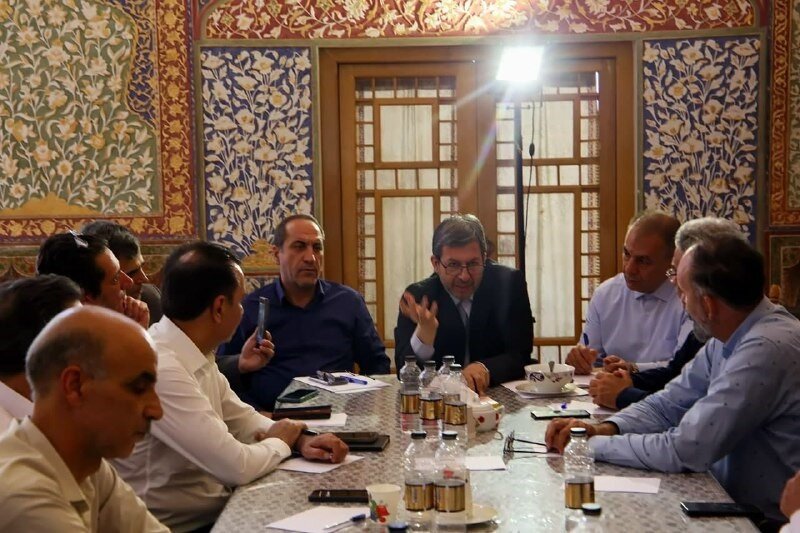
He said that in a situation where security and economic threats have driven many cities, Isfahan and Isfahan into safety and economic threats in order to turn threats and challenges into new opportunities and take a major step towards a revival of a tourism and a sustainable economy, he said that when he tackled a gathering of travel commission members in critical and war situations, the security and economic threats have driven many cities towards a recession.
Jamalinejad urged managers and activists of the tourism industry in Isfahan to derive creative plans to attract domestic and foreign tourists in critical situations, with the cooperation of travel agencies.
He added that Isfahan’s travel and tourism agencies should think about creative ideas and plan safe travel packages focused on “peace and security.”
Noting that travel agents should not be closed, he called for the introduction of statewide alternative routes and lesser known destinations to reduce concern as a critical and other alternative to activities during wartime.
He called planning virtual tours and online concerts other measurements, adding that using artificial intelligence (AI) technology to plan virtual tours of Isfahan’s historic attractions is appealing to global audiences.
Elsewhere in his remarks, he pointed to the revival of international handicraft fairs in other countries, adding that Isfahan Handicraft exhibitions can hold exhibitions in person and online so that local artists can present their products to the global market.
He called for the opportunity to turn threats into opportunities by launching a campaign focused on “traveling for peace” as another option. Travel agencies with cooperation from non-governmental organizations can launch campaigns to promote sustainable tourism and cultural dialogue, he added.
Jamalinejad called for local businesses to support them as other activities during the war era, adding that promoting cooperation with ecotourism sites and traditional restaurants to provide pure service to tourists can generate income.
He pointed to the role of young people and elites in reforming the tourism industry. Given the focus of staff on using elite possibilities, many startups operating in the technology and AI sector have entered the tourism sector, making Isfahan a safe and attractive destination.
Isfahan has proven that he can prevent a recession even in the most difficult situations, he said. Tourism activists have urged the current situation to be transformed into a symbol of dynamism and hope in Iran’s tourism industry.
Although once the intersection of international trade and diplomacy, Isfahan continues to be one of Iran’s most prominent tourist destinations. It is famous for its breathtaking Islamic architecture, including its stunning mosques, palaces and bazaars. Visitors can explore Persian gardens and walk along the city’s lined boulevards, immerse themselves in beauty and history at every turn. The architectural wonders of the city, like Nagshwejahan Square, one of the world’s largest squares, make it a gem of the town’s plans.
Isfahan is known as “nesf-e-jahan” or “half of the world”, and symbolizes its historical importance. Often called the city’s “life-giving river,” the Zayande River has increased the natural beauty of the city and enhanced the tourist attraction.
KD