
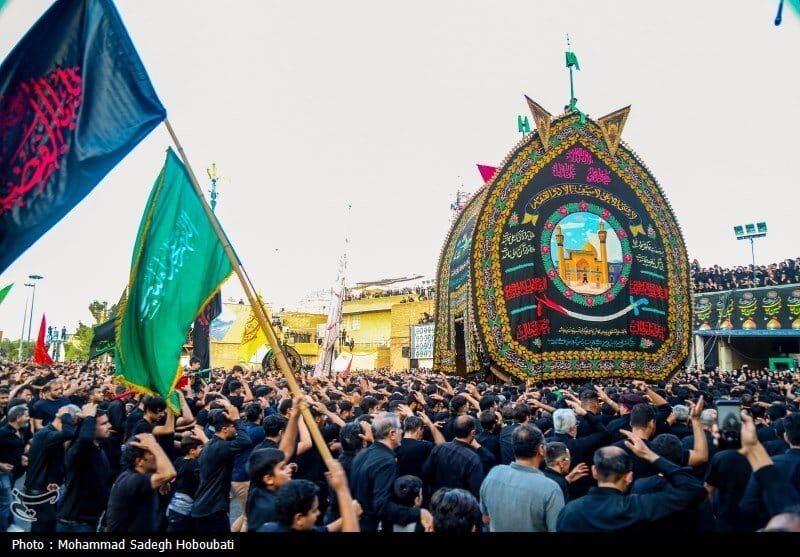
Iran becomes a living canvas of the sorrow, memory and unity of the Moon of Muharam, the first month of the Islamic calendar, with its deep history and vibrant cultural landscape.
For travelers interested in religious culture, intangible heritage and dramatic representations of collective memory, Muharam offers an unusual opportunity to witness some of the most powerful and symbolic rituals performed throughout the ancient country.
Dedicated to the martial teaching of Imam Hussein, beloved grandson of the Prophet Muhammad (Pbuh), the martial teaching, takes a unique form, shaped by local customs, local traditions and heartfelt expressions of faith. These rituals reach an emotional peak on the ninth and tenth day of Muharam, known as Tasua and Ashura, respectively, to commemorate the Battle of Kalbara in 680 AD.
Here is the most important and visually arrested Muharam ritual to explore.
Mud style at Khorramabad
Perhaps one of the most visually intense mourning rituals takes place in Koramabad, the capital of Lorestan, where mourners take part in the iconic act of “Jel Mali” – mud scrapes.
This emotionally recharged ceremony begins on the seventh day of Muharam, and after the ritual grooming, you will see the men wearing clean white clothes, and you will only be completely covered in mud in the pool near the local Tekiye (mourning). Some are completely immersed in as an act of extreme devotion and sadness. The fire is lit in the cold season, and the mourner chants, smacks the chest, and warms the fire in circles around the flames.
The ritual is a symbol of perfect humility and mourning, extending beyond Holamabad to other cities in Lorestan, as well as parts of Kermansha and Ilam provinces.
“Shah Hussein” Tabriz’s chant
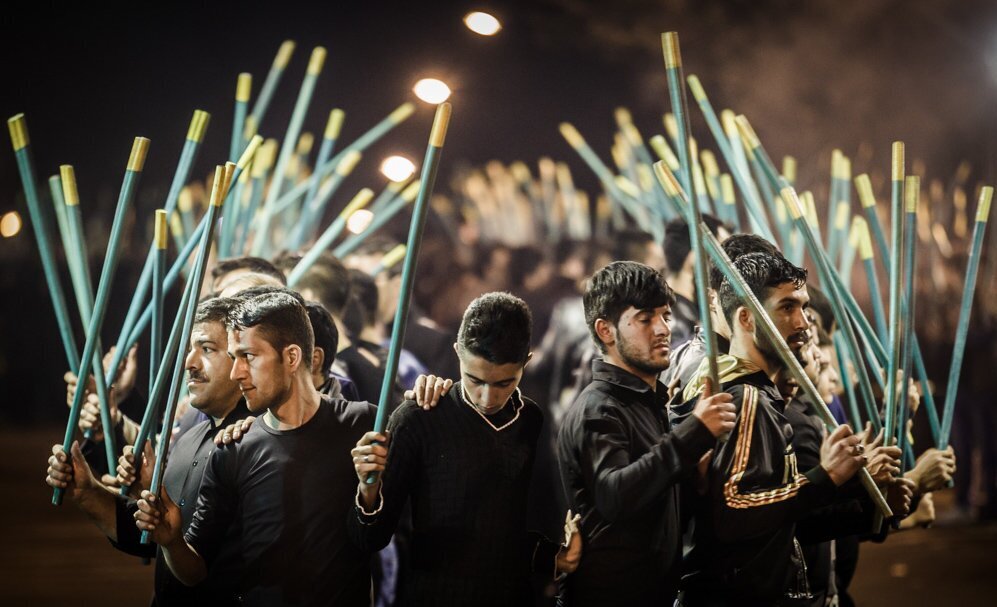
In the northwest city of Tablis, the “Shah Hussein” ritual is a deeply symbolic procession that begins a few days before it reaches its peak at Muharram and the summit.
Dressed in black, mourners place their hands behind each other’s backs and form rhythmically moving human chains, chanting “Shah Hussein” and “woe Hussein.” Each morner also moves small wooden pieces from above his head to his feet, symbolizing his journey to Kalbara in solidarity with his followers of Imam Hussein.
In recent years, this ceremony was accompanied by drums and cymbals, and preserves the soul from the heart through the resonance of the mourner.
The magnificent procession of Zanjang
Zanjan, located in central western Iran, is often referred to as the “capital of Husaini’s passion” due to its large, spiritually immersive events.
The focus of mourning is Husainiyah-Azam and Zainabyah-Ezam. Here, the ritual begins at the beginning of the muharam, but dramatically intensifies on the night of Tasua.
Processions run out into the city as thousands of mourners chant in Azarbaijani, pound their hearts and form a moving sea of black-clad followers. The fusion of music, poetry and collective emotions creates unforgettable spiritual and cultural experiences.
Yazd’s Nakuru Badari Ritual
In the desert city, Nakul Badari (with literary palms) stands out for its iconic richness and visual splendor.
The “palm” is a huge wooden structure decorated with mirrors, fabrics and religious symbols. It ceremonially passes through the streets of Tasua and Asura, symbolizing the transport of the remains of Imam Hussein after the martianism.
Yazd’s lament also includes other unique traditions, such as the Passion Plays (Ta’ziyeh), Grattle-Playing, and Water-Carrier processions. The city’s historic Hussaniyah serves as a dramatic backdrop for rituals filled with poetry, devotion and ancient pageants.
Passion is played in Tafresh
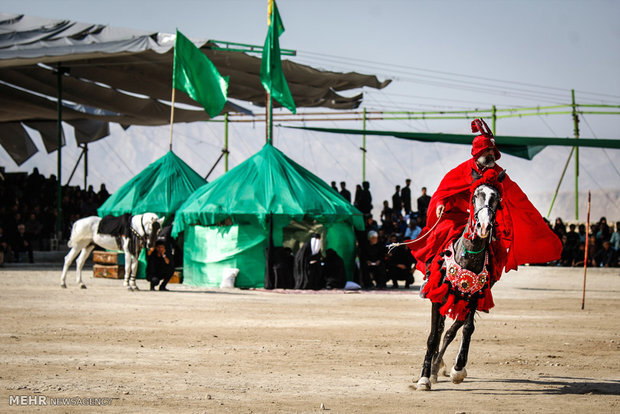
In Tafresh, a city known as the Cradle of Iranian Passion, Tajie’s art, a religious dramatic performance of Imam Hussein’s martialism, is elevated to its highest level.
These theatrical productions, held in the locals of Takkiya and Husseinya, captivate the audience with poetic dialogue, rich symbolism and powerful emotions.
Despite the familiarity of the story, emotional strength attracts viewers each year. The city’s long history with Ta’ziyeh has cultivated skilled performers and transformed each play into a living tradition and cultural landmark.
Abhiane’s mourning tradition
In the picturesque village of Abhiyane, located in the central highlands, Muharam’s mourning ritual is imbued with timeless elegance. Residents, known for preserving unique traditional clothing, perform the ceremony in the same clothing they have worn for generations.
The ceremony involves villagers walking through the town and visiting the bereaved family’s homes recently, expressing their apologies and sharing their sorrows. Surrounded by mud brick architecture and narrow ancient alleys, these rituals offer a poetic union of history, architecture and spiritual respect.
The ritual of lamentation combined by devotion
The form of expression differs – from muddy bodies to stylized chants, from mirrored palm structures to heartfelt lament – the core spirit of Iranian Muharam is one of unity, sacrifice and memory. All regions bring that distinct colour and habit, but everything echoes the same sincere dedication to Imamhussein and his companions.
Whether it’s the alleys of Yazd, the plains of Lorestan, the historic streets of Tafresh, and the Takkiyah of Tafris, Iranian Muharam is more than just a series of rituals.
For cultural tourists, photographers, academics or spiritual seekers, traveling to Iran during Muharam offers an unparalleled opportunity to witness a living heritage that continues to inspire resilience, faith and community.
morning