
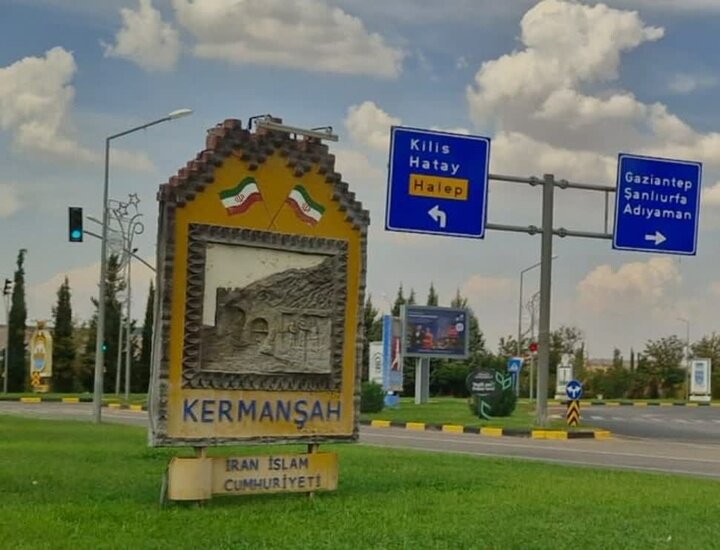
Tehran – A sign representing Tak e Bostan, one of Iran’s most important Sasanian archaeological sites near Kermansha, is located in a prominent square leading to the airport in the city of Gaziantep.
Iman Derakhshi, a member of the Kermanshah Municipality, highlighted the installation to promote Kermanshah’s tourism potential and cultural heritage internationally.
On Tuesday, Derakhshi explained that the placement of the monument was the result of strengthening international ties raised last year through the Global Creative City Network’s Gastronomy Initiative, which Kermanshah participated in.
One of the key goals of such intercity cultural exchanges is to introduce and introduce the unique capabilities and heritage of cities on the international stage, Delafusi noted.
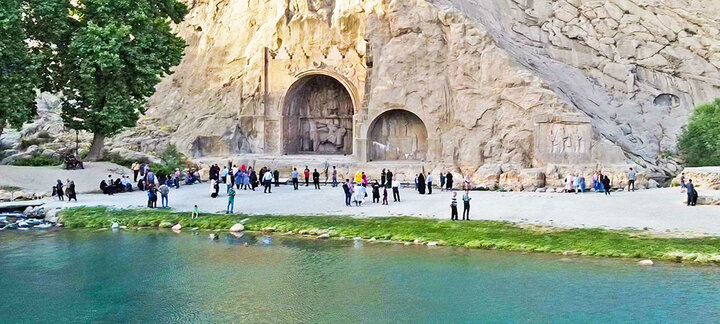
Located about five kilometers from the heart of Kermansha in the heart of the Zagros Mountains, Taq-e Bostan is famous for its massive Sasanian rock rescue, carved around the 4th century. These include a monumental arched niche and detailed sculptures commemorating the King of Sasania next to the sacred spring that feeds a large reflective pool.
Taq-e Bostan, listed on Iran’s National Heritage List and on UNESCO’s provisional World Heritage List, stands as one of the 30 surviving Sassanid relics in the Zagros region. The site was historically located along the Silk Road Caravan Route and served as both a waypoint and a ritual location for the rulers of Sassanid.
Arthur Pope, founder of the US Institute of Iranian Art and Archaeology, famously describes Iranian art as a gift to the world, highlighting the enduring cultural significance of sites like Taq-e Bostan.
morning