
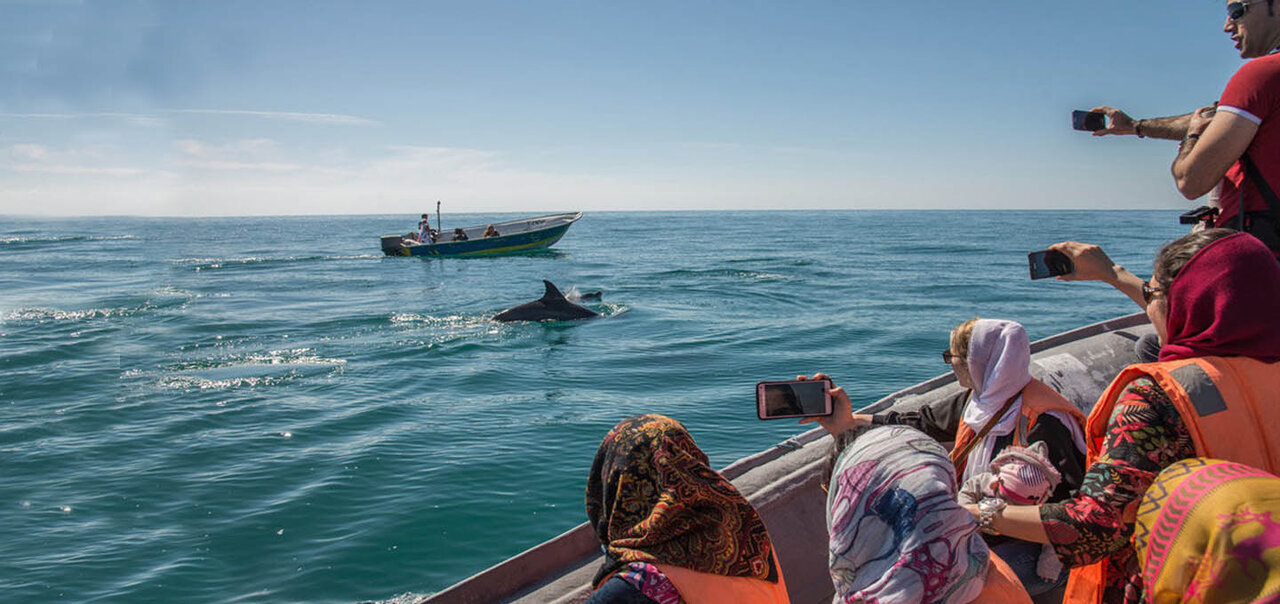
Tehran – Qeshm, the largest island in the Persian Gulf, is a place where natural wonders, strategic geography and ancient culture intersect.
Covering 1,491 square kilometers, Qeshm is larger than many countries, including Bahrain and Singapore. Located across the coast of Hormozgan province in southern Iran and about 22 km from Bandar Abbas, the island is located at the entrance to the Strait of Hormuz, one of the most important maritime trade routes in the world.
Beyond strategic locations, Qeshm is celebrated with its rich biodiversity. The island hosts the Hara Forest, an extensive mangrove ecosystem of over 8,000 hectares. Recognised by UNESCO as biosphere reserves, these forests provide important breeding grounds for migratory birds, fish and reptiles and play an important role in maintaining the ecological balance of the Persian Gulf.
Qeshm also has 26 geosites that form Qeshm Island Geopark, the first UNESCO global geopark in the Middle East, registered in 2006, and were revived in 2017 due to improved conservation efforts.
Qeshm, often referred to as “Natural Geological Museums,” is characterized by a variety of spectacular rock formations and landscapes. The Valley of Stars is one of the most iconic places. It is a narrow maze of canyons and towering layers carved by wind and rain for thousands of years. According to local legend, the star once fell here, lending its name and mysterious reputation to the valley.
Another highlight is Chahkooh Canyon, a natural wonder etched into mountains of salt and lymeston over centuries by salt erosion. With vertical cliffs and tight valleys, Chahkooh offers an unforgettable experience for both tourists and geologists.
Qeshm also hosts Namakdan (salt) Cave, one of the longest salt caves in the world, stretching over six kilometers. The cave features salt stal liquor and ancient crystalline layers, estimated to exceed 500 million years, characterized by underground Shio River. Its salt is known for its medicinal properties, particularly in the treatment of respiratory diseases.
Qeshm is home to a diverse ethnic group that preserves its rich cultural heritage. Traditional crafts such as range buildings (wooden dow shipbuilding), bandari embroidery and matte weaving remain vibrant and livelier in maritime and cultural heritage from centuries ago. Island women often wear distinctive face masks or “burkas,” a local tradition of both cultural and practical origins.
Qashm Island is one of Iran’s most protected secrets, with myths, minerals, culture and commerce, nature and storyline converging. As Iran tries to expand tourism and diversify its economy, Qeshm stands out as a model that balances the beauty of nature with strategic development.
For travelers, scientists, investors and policy makers, Qeshm offers unique destinations rich in history, geology and human resilience, waiting to be explored, studied and preserved.
morning