
Tehran – Archaeological studies of Iran’s Chaharmahar Bhaktiari province revealed that the earliest stone tools in the region date back to the upper and early Neolithic periods, according to local cultural heritage authorities.
The discoveries, including stone tools and objects, were made in ancient caves in Charles-et-Cord, Ardal and Rhodegan counties. Experts estimate the artifacts are 10,000 to 11,000 years old, CHTN reported on Saturday.
“These findings show that human activity in this field during prehistoric times was more extensive than previously known,” said a local spokesman for the Department of Cultural Heritage, Handicrafts and Tourism.
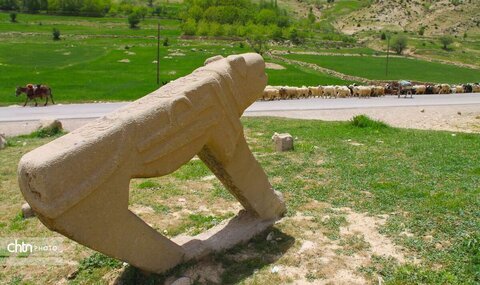
In addition to prehistoric tools, archaeologists document stone relics from later historic periods, including the Elimaians (and Sassanidian period), which include a large number of graveyards, terraced stone paths, stone inscriptions, lion-inspired statues, and architectural structures such as Caravan sages, presently caravan sages.
As local sources have stated, stone carvings and masonry are traditional crafts of the state, with roots dating back centuries. Historically, locals have used these techniques to create practical tools such as grain grinders, mortars, drainage channels, and sculpted lion statues.
Despite its deep historical presence, the craft has seen a decline in modern use. “For a variety of reasons, stone products are currently used in limited ways, primarily in nomadic and remote areas,” the state Department of Cultural Heritage said.
The main centers of stone carving in the state are Shahr-e Kord, Hafshejan, Farsan and village cities where artisans make items such as mortars, gravestones and traditional lion statues.
The lion statue, known locally as Sia e Sangi, continues to be one of the region’s most iconic masons. Traditionally placed in tombs of tribal leaders and warriors, statues serve as symbols of courage. These statue sculptures include swords, rifles and horse motifs, along with personal details of the deceased.
“These lion statues shape the turbulent history of people and are now reminding of the men who have rested on Earth below,” the department said.
morning