
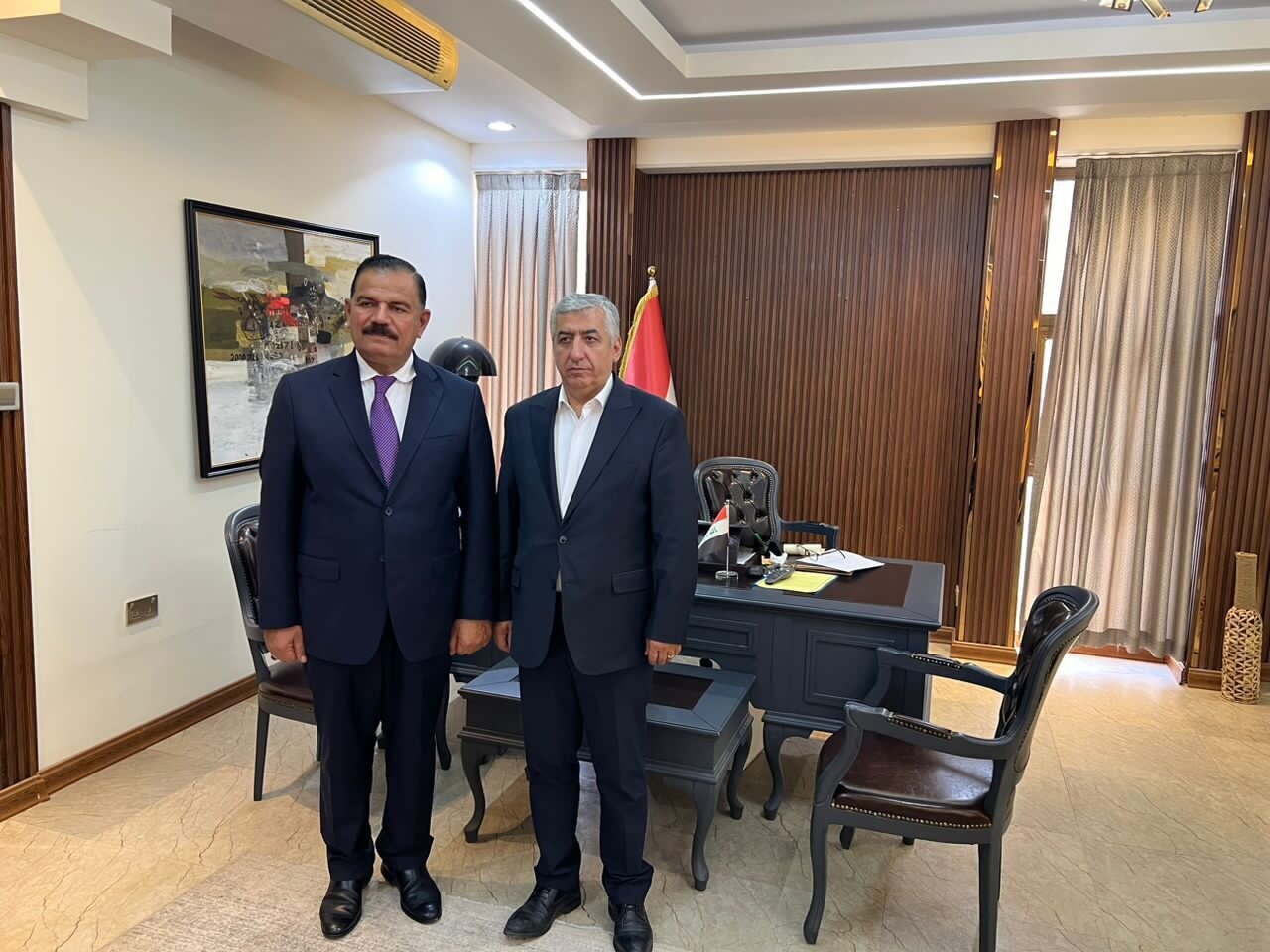
TEHRAN – Iraqi culture, tourism and ancient minister Ahmed Whakak al-Bhadrani said on Tuesday that he is welcoming his country to increase tourist interactions with Iran to 10 million people a year.
During a meeting in Baghdad, Al-Bhadrani made a statement with Homatra Rafie, director of the Iranian Association of Travel Agents. He welcomed proposals from Iran’s private sector to expand cooperation in cultural, historical and health tourism, in addition to religious travel, the IRNA reported Tuesday.
Rafie said he was in Baghdad to coordinate preparations for the scheduled Iranian tourist roadshow in Baghdad, Karbala and Basra in early October. The event will include business-to-business meetings and cultural evenings featuring Iran’s travel highlights.
According to Rafiei, data from the Iraqi government shows that around 3.5 million Iraqis travel to Iran every year for pilgrimage and medical purposes. He said the plan, discussed with Iraqi officials, aims to expand that figure to 10 million mutual tourists, with around 5 million visitors in each country.
Rafiei added that in a meeting with Al-Badrani, Minister of Cultural Heritage, Tourism and Handicrafts in Iran, Seyyed Reza Salehi-Amiri, who was attended by telephone to discuss the recovery of the historic site and wider cooperation. Salehi-Amiri expressed his hope that detailed plans and agreements would boost tourism between the two neighbors.
Rafiei told IRNA that his speech also drafted a memorandum to cover medical tourism, cultural and educational exchanges and support the joint initiative. Rafiei emphasized the need for special efforts to pursue such projects, and said both sides discussed the possibility of starting a tour combined with countries in other regions.
Tourism between Iran and Iraq is deeply rooted in a religious pilgrimage or Zyarat that draws millions of visitors each year to sacred places. Iraq holds major Shia shrines in Karbala and Najaf, while Iran welcomes pilgrims to Mashhad, the main centre of Mashhad and Shia scholarships, home to Imam Reza (AS) shrines. Cities such as Shiraz, which have a rich Islamic heritage, also attract religious visitors.
Beyond pilgrimage, the two countries can share cultural, historical and linguistic connections for centuries and develop into a wider tourism exchange. The ancient cities of Iran, including UNESCO-registered Persepolis and Isfahan, showcasing Persian architecture and world heritage sites, while Iraq is home to the comprehensive waste of Babylonian and Mesopotamian civilizations. Sites like this appeal to travelers interested in history and archaeology.
Cultural tourism opportunities also extend to traditional music, crafts and cuisine. This reflects shared influences and mutual appreciation across the two countries. Furthermore, natural landscapes such as the Zagros Mountains, wetlands in southern Iraq and the diverse climate of Iran create ecotourism possibilities, from deserts to lush forests.
Therefore, strengthening tourism ties between Iran and Iraq could potentially deepen cross-border connections with people, whilst promoting historical exploration, cultural exchange and nature-based tourism.
morning