
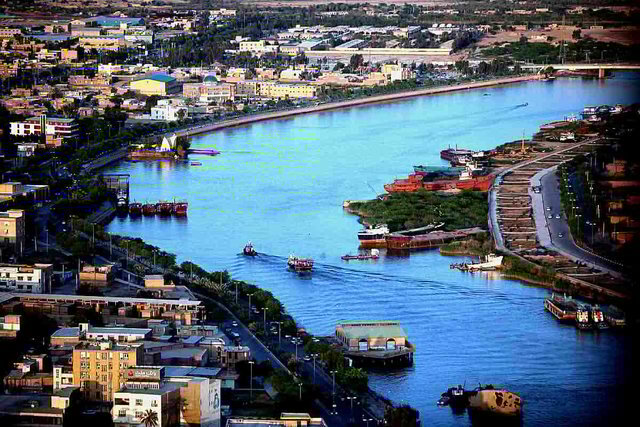
TEHRAN – Mostafa Mousavi, committee head of the Iranian Chamber of Commerce Tourism Commission, has considered the committee’s main priorities to strengthen the private sector’s role in tourism policymaking and sustainable development, and has announced extensive plans to transform the ARVAND Freedom Zone into a Healthy, Marine Corps hub.
He told Isna: “Our priority is to improve the role of the private sector in tourism policy decisions based on the Seventh National Development Plan. In fact, we are trying to create a sustainable tourism ecosystem that will boost local economies, jobs, and sustainable incomes and lead Iran to a map of regional and international tourism destinations.”
Arvand Free Zone boasts historic, cultural, commercial and border capabilities that could turn into a health, marine, and local tourism hub.
“Our programmes are implemented at three infrastructure, products, regional and international levels.”
“Health tourism can attract foreign patients in Iraq and Kuwait. Based on statistics, Iran comes to treat more than 2 million foreign patients each year.” This creates local employment and sustainable income, he added.
“We can define a joint project with Basra and Kuwait to transform Alband into the south of the Persian Gulf tourism axis, which includes medical, commercial and cultural tours that will bring great economic benefits to the region.”
Promoting tourism in undeveloped areas will allocate economic opportunities and reduce migration to big cities, he said. All units of investment in rural tourism and ecotourism will generate more jobs than similar sectors and boost the local economy, he added.
He continued that plans are being pursued to establish a network of cooperation in free tourism areas between Arvand, Kish, Qeshm and other regions.
At the foreign level, negotiations have begun with the Iraqi and Kuwait Chambers of Commerce, which combines health and business tours, marine and cultural tourism, he said. These cooperations will lead to economic prosperity, job creation, and promotion of cultural and trade diplomacy, creating new investment opportunities, he added.
Mousavi says that technology is the backbone of modern tourism, and three main areas include digital marketing for targeted presence in domestic and foreign markets, smart platforms for booking and selling tourism services, tourism data analysis and capacity management.
“Our goal is to create smart and digital tourism in Iran to improve both the tourist experience and productivity.”
“The key indicators in this sector must undoubtedly occur in increasing tourism share in GDP and attracting new capital. On the other hand, the improvement in employment and income indicators in underprivileged regions is clear. On the other hand, improving Iran’s position in the regional and international tourism markets can be recognized as an important outcome in the region.”
If these indicators are achieved and private activists feel their voices have been heard, it can be said that the committee has properly met its mission and that the path to sustainable development of Iran’s tourism has been paved.
KD