
TEHRAN – As tensions in Gaza and the West Bank escalate, the European Union has taken an unprecedented step by proposing to halt trade concessions with Israel, indicating growing international concern over the humanitarian crisis. The move comes amid widespread protests across European capitals, raising questions about the effectiveness of symbolic sanctions and tangible political pressures.
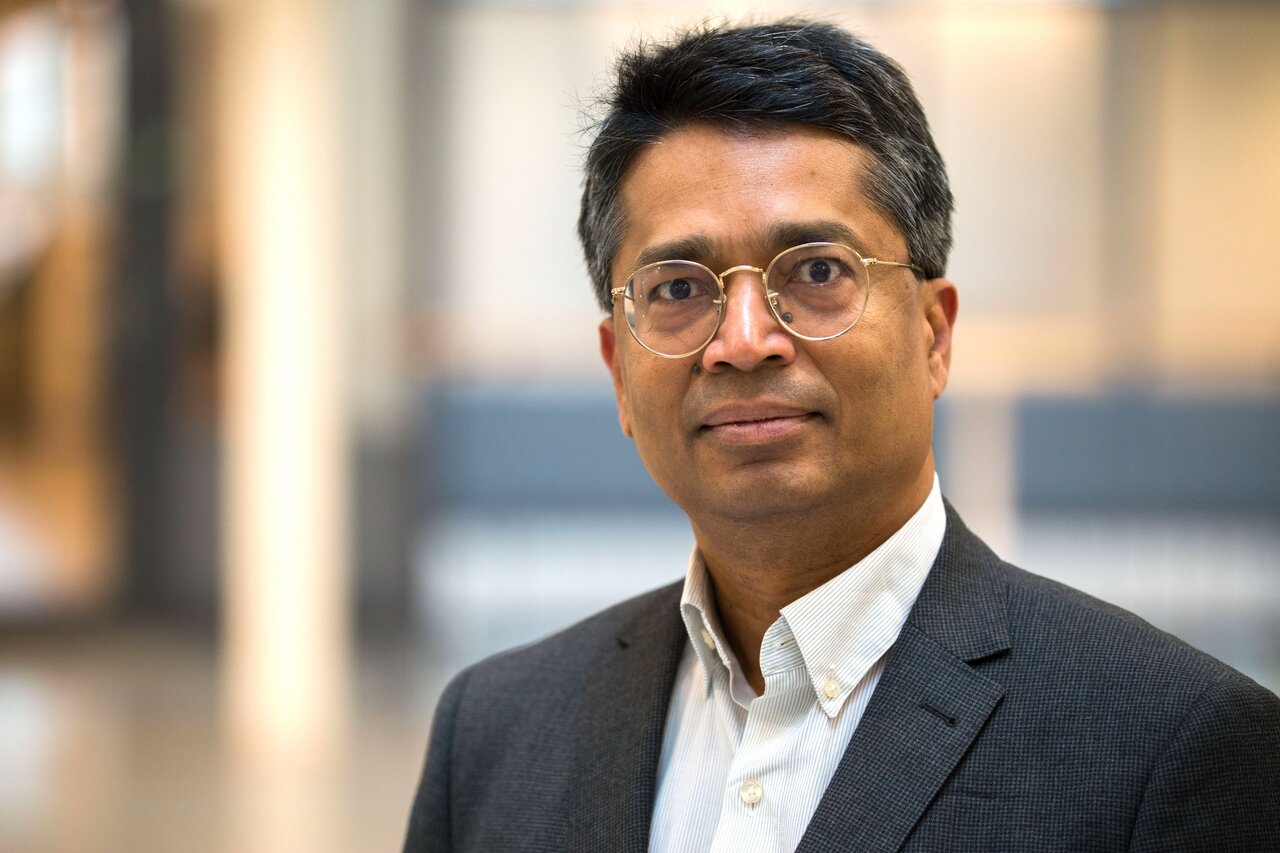
To explore the implications of these developments, the Tehran Times conducted an exclusive interview with Dr. Ashok Swain, an Indian-born academic and political commentator who serves as a professor of peace and conflict studies at Uppsala University in Sweden. Dr. Swain is a recognized expert on international conflict, migration, water security and global governance, and has extensively analyzed the intersection of human rights, international diplomacy and balance of power in West Asia.
In this interview, he provides a detailed assessment of the latest EU actions, the underlying motivations behind the European response, and the potential outcomes for both Israeli and Palestinian civilians. He is also working on the growing disconnect between official EU policy and citizens’ sentiment that demands accountability.
Below is the full interview:
The European Union is often accused of diplomatic protection of Israel. Do you see the move towards tariffs and sanctions against Israel as genuine policy changes or symbolic pressure?
The EU’s proposed tariffs and sanctions are a departure from the usual pattern of diplomatic protection of Israel, but remain a semi-measured design to show pressure rather than fundamentally alter the balance of power.
Suspending trade preferences on Israeli export slices and targeting extremist ministers will send a political message, but will not touch Israeli arms trade with Europe or the broader association. It’s more symbolic than structure, and Israel knows it.
To what extent do you think EU leaders have been brought about due to public protests in European capitals?
Public protests across the European capital were the real driving force behind this change, and EU leaders ultimately forced them to face a gap between human rights rhetoric and accomplices in Israel’s war.
Without the sustained mobilization of months from Barcelona to Berlin, Brussels would have continued calling the empty of restraint. The EU’s hands were forced not by a sudden moral awakening in its institution but by its own citizen rage.
“European roads demand an end to genocide, and leaders provide careful and progressive measures that cannot break military or political ties.”
The EU state is deeply divided into Israeli-Palestinian conflicts. Given a country like Germany’s traditional support for Israel, how sustainable is the general EU position on sanctions?
While countries like Germany continue to ramble through Israel with historical guilt and strategic alignment, Hungary treats it as part of its illegal alliance, the general EU position on sanctions is very fragile. While the states of Southern and Western Europe may push harder, deep division means that collective attitudes are diluted and constantly at risk of elucidation. Maintaining unity over Israel’s actions remains a difficult struggle.
Do you expect these sanctions to translate into permanent ceasefires and real pressures for accountability, or can Israel survive the economic hit?
These sanctions are unlikely to bring permanent ceasefires or true accountability, as Israel has overcome much greater economic and diplomatic isolation in the past, whilst enjoying unwavering US protection. Israeli leaders thrive in rebellion and domestic assembly around the flag, and the proposed limited tariffs do not force strategic rethinking. Without broader economic isolation and legal accountability, Israel would treat this as a nuisance rather than an existential threat.
Is the gap growing between official EU policy regarding Gaza and the sentiment of European citizens?
The Gulf has already expanded between the EU government in Gaza and their citizens. While European streets demand an end to genocide, leaders offer careful and progressive measures that cannot break military or political ties. The sanctions proposal reflects the growing pressure from below, but still far below the moral clarity expressed by the European masses. This gap erodes EU legitimacy both domestically and internationally.
What economic and social impact will EU sanctions have on Palestinian civilians in Gaza?
Sanctions targeting Israeli goods and officials do not directly harm Palestinians in Gaza, but they run the risk of being perceived as a symbolic gesture while suffering continues, unless they involve massive humanitarian relief and reconstruction aids. The EU must ensure that sanctions will lift unconditional pressure and blockades, open humanitarian corridors and provide emergency funds for food, medicine and shelters.
How can the EU navigate complex relationships with key allies like the United States, pursuing a stronger stance on Israeli actions in Gaza?
Navigating relations with the US will become the EU’s biggest challenge as Washington remains Israel’s ultimate shield for accountability. If the EU is serious, you should be willing to chart independent courses at the expense of friction with Washington. Otherwise, sanctions are cosmetics. A stronger European stance could in fact burn progressive voices in the United States questioning unconditional support for Israel.
How can peacebuilding initiatives integrate with punitive measures such as sanctions to create sustainable solutions beyond the immediate crisis?
Sanctions alone cannot create peace, but if you are bound by a political roadmap that prioritizes Palestinian rights, international law and accountability, you can create leverage for negotiations.
The EU should link punitive measures with active support for civil society, mediation efforts, and reconstruction plans that lay the basis for viable two-state solutions or alternative settlements. Only by combining pressure with a true peacebuilding initiative can Europe move beyond symbolic gestures and address the underlying causes of the crisis.