
Tehran – The ancient Gartak site in Silvain county in Ilam, holds the secrets of the lives of ancient peoples and is a hidden treasure in Ilam’s history of Habibora Mahmoudian, a prehistoric archaeology expert.
He told Isna that Gartak’s site, which includes an ancient cemetery and a human settlement area, is seven kilometres away from Ilam city.
He explained that Gartak’s location is located on the slopes of Mt. Gachan and is adjacent to three flanks, north, east and west, and south. Its vegetation is meadows and forests, with the elderberry trees at the bottom of the cemetery covering parts of the area.
Archaeologists noted that the cemetery is higher than residential areas and is connected to the mountain slopes. It covers the entire area of tiled rubs and cobblestones, allowing you to see the pits from the unauthorized excavations, he added.
“The height of this place is 15 meters tall compared to the surrounding land, and its area is about 500 x 1000 meters. The soil in this area is clay and limestone.”
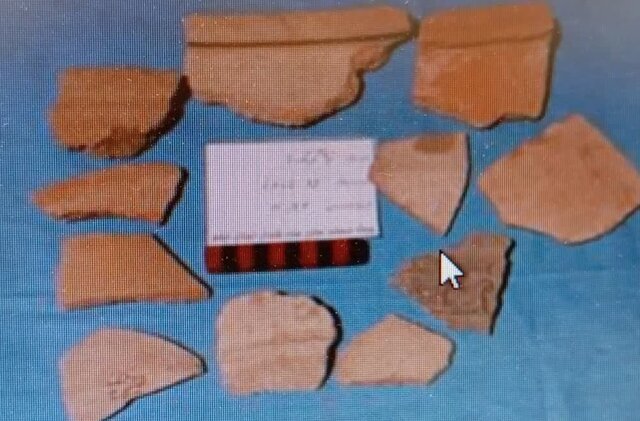
Mahmoudian continued that surface research at the site revealed various cultural artifacts. “These artifacts include ceramics, fossil shells, charcoal, bones, and crude glass. Fossil shells can be found on the surface of the cemetery. This may be related to people’s beliefs. Also, the use of stone mortars was common on this site.”
He explained that the ceramics discovered in the area are mostly medium and roughly thick. “The plant material and soft sand are used in pottery chamottes, and most of them are completely baked. These pottery are made of wheels and are glass-enclosed. The ceramic paste is a pea-colored brick-colored brick-colored, local grey, with a pea-sphere-colored clay coating.
The archaeologist states: “Perhaps the presence of tiled rubs and cobblestones in this area indicates that it is a human settlement. Agricultural activities completely destroyed and destroyed the texture of the original surface, and many graves in the cemetery were hampered by fraudulent miners.”
He added that the proximity to water springs in the area and many natural resources are considered the most important factors for human settlement.
“People in this area have left their graves in high areas and hills because of local religious beliefs or perhaps to prevent natural destruction and erosion from annual floods. Natural factors such as graves and deposition buried parts of the grave.
Mahmoudian has made it clear that this cemetery and residential area likely belong to a historic period, taking into account the observed cultural artifacts and their characteristics.
He emphasized the importance of preserving and restoring the site, adding that it can provide valuable information about the lives and culture of local people during historic times.
The archaeological researcher added: “Further research and regular excavations will help us to better understand the reconciliation patterns, architecture and beliefs of the people of this region. It is also essential to protect this site from fraudulent excavations and destruction of nature.”
Ilam province in western Iran covers an area of 19,086 square kilometers and includes cities of Ilam, Mehran, Dehloran, Darreh Shahr, Sarable, Eyvan, Abdanan and Arkwaz. It shares the border with the three provinces in the south, the Lorestan in the east and Kermansha in the north. ILAM also has a 425-kilometer common border with western Iraq. The state’s weather is hot and dry during the summer and mild in the winter. ILAM boasts beautiful spring nature. The capital of the state is Ilam. The city is surrounded by mountains and forests, and is beneficial from mountain weather. The ancient castles, waterways and riverbeds of mountainous regions create charm for those visiting the site, especially during spring, when the entire place is covered in greenery.
KD