
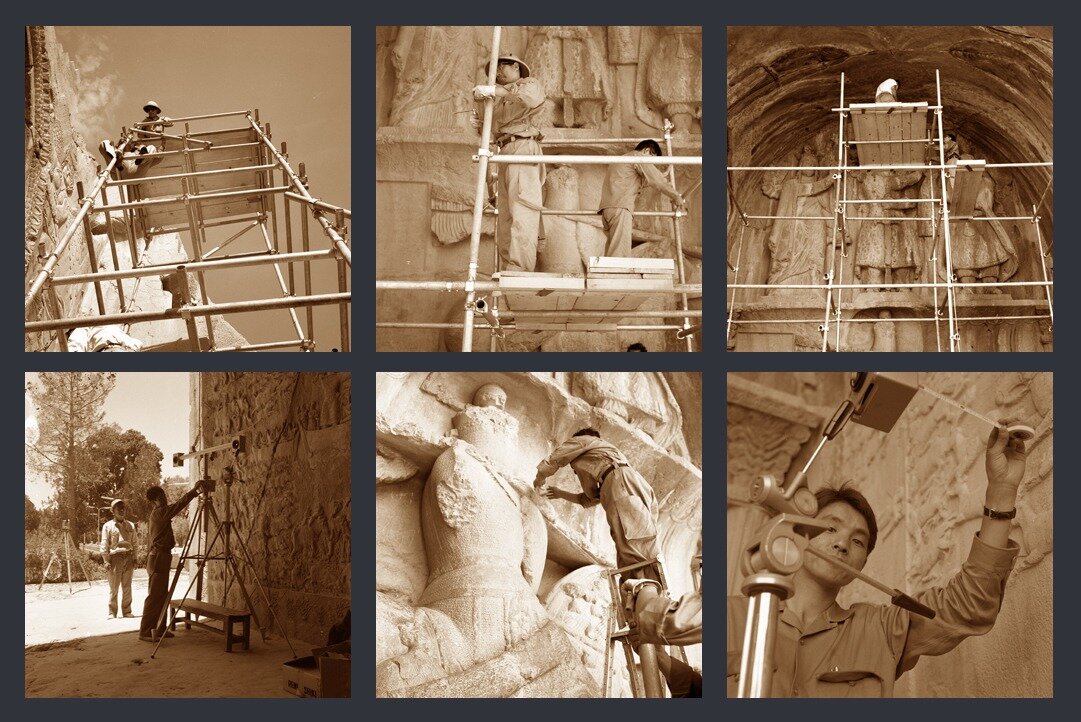
Tehran – The University of Tokyo University Museum has published an important digital database featuring photos of Archaeological Expedition to Taq-e Bostan, a Sasanian-era site in western Iran in 1965.
This collection offers an unprecedented glimpse into the intricate rock salvation of the monument, depicting vibrant hunting scenes celebrated with royal coral crowns, sacred images, and artistic, story-rich gems.
The newly released database consists of nearly 1,500 high-resolution images, forming a complete visual record of the 1965 survey. These photographs are part of a broader archaeological initiative under the research project “Ancient Iranian Civilizations as a Source of Ancient Civilizations in East Asia and Japan” in 1965 and 1976. The new digital archive is based on the heritage of the University of Tokyo’s four-volume series, Taq-I-Bustan (1969–1984), and shows a major contribution to global art history and archaeology.
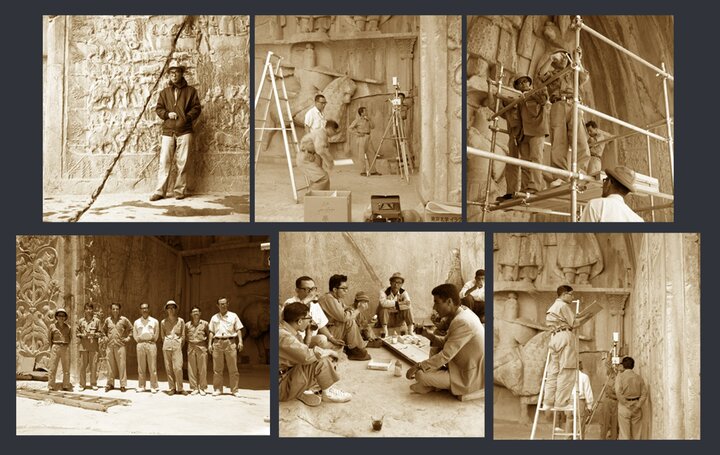
Located near Karmanshire, Taq-e Bostan Monument stands as one of the most spectacular and most preserved sites of the Sasanian period (224-651 CE). Its main features include two majestic rocks (arched rock shelters) carved directly onto a limestone cliff. The massive Ivan includes a spectacular relief depicting the investment ceremony of the King of Sasania, but the site is particularly famous for its breathtaking detailed panels of royal boar and deer hunting.
The newly released images serve as an invaluable historical record, capturing the status of the site from a period before more prominent modern environmental changes. As the most systematically documented institution of Taq-e Bostan, the University of Tokyo archives meets long-standing needs among researchers around the world.
Complementing these historical efforts, the Taq-e Bostan Cultural Heritage Center recently documented the entire complex through photogrammetry and generated a high-precision 3D model of the site. It is expected that images of this modern document will be published in a different volume, providing another dimension of conservation and research.
The initiative is expected to bring great benefits to academic fields, ranging from Iranian and Sasanian studies to Silk Road archaeology.
morning