
TEHRAN – The reinvigoration of snapback mechanisms at the UN Security Council has once again put Iran’s nuclear program at the centre of global diplomatic tensions. Following the move by European trio to revive sanctions, Tehran has sharply criticised the decision, but countries in the region are weighing their impact on stability, trade and security.
Pakistan is located at the intersection of South and Central Asia and shares a long border with Iran, and faces unique challenges and opportunities when navigating this evolving landscape.
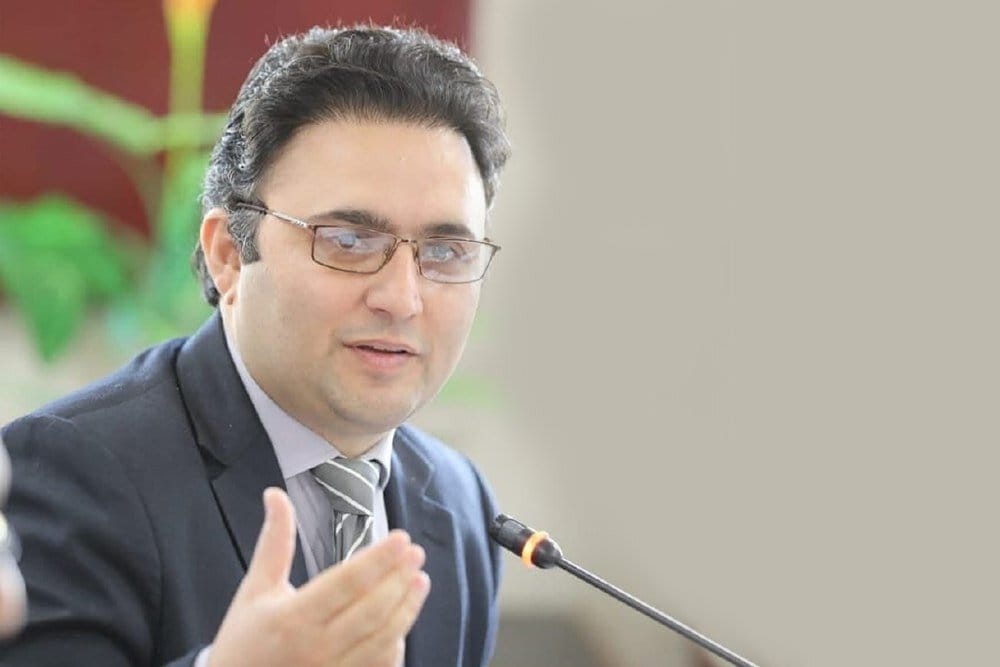
To better understand the Islamabad perspective, the Tehran Times conducted an exclusive interview with Dr. Raja Qaiser Ahmed, an associate professor of international relations at Quaid-I-Azam University.
With his extensive expertise in South Asian geopolitics, international law, and foreign policy, Dr. Ahmed provides a detailed analysis of Pakistan’s attitudes regarding snapback sanctions, the role of its strategic partners, and the broader regional and global outcomes of UNSC decisions.
Below is the full interview:
Given Pakistan’s emphasis on diplomacy over coercion in tackling Iran’s nuclear issue, how does Islamabad recognize the re-challenges of snapback sanctions under UNSC Resolution 2231?
Pakistan has consistently emphasized diplomacy, dialogue and regional stability over coercion. In this context, the re-challenge of snapback sanctions is recognized as a development that could complicate ongoing diplomatic efforts to maintain Iran’s nuclear trading framework.
Islamabad advocates for measured involvement and urges all parties to prioritize constructive dialogue to prevent escalation and maintain peace in the region.
How does Pakistan’s strategic partnership with China and Russia affect its position on snapback mechanisms, particularly in contrast to its relationship with the West?
Pakistan’s close strategic partnership with China and Russia provides a perspective that prioritizes multilateralism and balanced regional engagement.
While maintaining cooperation with the West, Pakistan’s approach is informed by focusing on sovereignty, non-negotiation and negotiation-driven solutions, reflecting the diplomatic philosophy shared with Eastern partners.
What are the potential implications of snapback sanctions on relations between Pakistan and Iran, particularly trade, border security and regional cooperation?
Snapback sanctions could have a concrete impact on Pakistan-Iran ties, particularly in trade, border control and broader regional cooperation.
Pakistan is trying to ensure that sanctions do not disrupt legitimate cross-border trade, energy projects, or joint work on security and counterterrorism. Maintaining stable, mutually beneficial bilateral relations remains a core priority for Islamabad.
From a legal perspective, how does Pakistan interpret the provisions of UNSC Resolution 2231 and what role does international law play in its diplomatic approach to snapback sanctions?
From a legal perspective, Pakistan supports the provisions of UNSC Resolution 2231, while underscoring the importance of international law that guides diplomatic action.
Islamabad interprets resolutions in ways that encourage engagement over punitive measures, highlighting the centrality of the dialogue that adheres to UN norms and resolves conflicts.
How does Pakistan use multilateral platforms such as the Shanghai Cooperation Organization (SCO) and Islamic Cooperation Organization (OIC) to defend its position on snapback sanctions?
Pakistan is actively involved in multilateral forums such as the Shanghai Cooperation Organization (SCO) and Islamic Cooperation Organization (OIC) to clarify its position and defend its diplomacy, regional stability and constructive dialogue.
These platforms allow Pakistan to promote collaborative solutions while seeking consensus among local and global stakeholders on the challenges posed by snapback sanctions.