
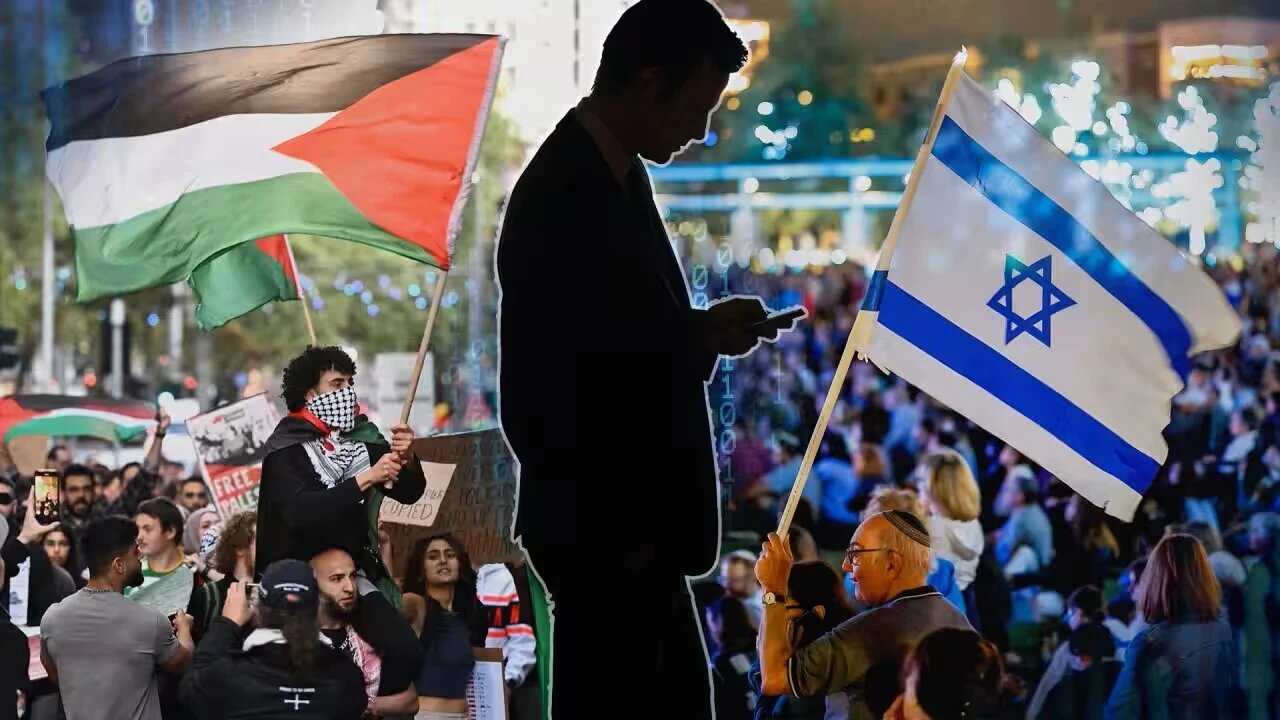
TEHRAN — Imagine the silence in the room. In a nervous voice, he leaned into the microphone and admitted what everyone felt. “We have a big, big, big generational problem.” The leaked pieces were more of a diagnosis than an indictment. As short, brutal images are poured into young people’s feeds, cracks appear in old pipelines of influence.
Act 1 — Confession
A confession by Jonathan Greenblatt, head of the Israel lobby’s Anti-Defamation League, obtained and distributed by the Tehran Times in late 2023 after Israel launched a genocidal war in Gaza, crystallized a new truth.
In the age of smartphones and social media, message control is no longer a door that can be easily closed.
“We really have a problem with TikTok,” he admitted. This is a rare acknowledgment that the old levers of narrative dominance are being shaken in real time.
Act 2 — When images change the moral calculus
What followed was not persuasion but conflict. The devastation in Gaza came at a time when helmet cameras, cell phone videos, and viral clips (sometimes uploaded by Israeli soldiers themselves) made death an immediate and arithmetical recognition.
For a generation raised on the feed, actions mattered more than press releases. To see was to believe. The results were tangible. Opinion polls show a sharp decline in favorable views of Israel, and a rise in the share of Americans who think the government has gone too far.
Young voters, no longer bound to curated narratives from newspapers, television, and preaching venues, readjusted their consciences in real time. The Palestinian cause, which had been on the sidelines before the Al-Aqsa flood operation, has once again become the focus of Western attention.
Act 3 — Electricity, blunt force, and attacks that backfire
The PR machine responded with sophisticated and heavy-handed methods: influencer deals, geo-fenced ads targeting empathetic audiences, paid posts, quick-response editorials, and tools designed to shape algorithmic flow.
When persuasion failed, pressure continued, with donors threatening the university, trustees pressuring the president, and public campaigns misleading criticism of Israel as anti-Semitism.
The atrocity claims that circulated in the immediate aftermath of October 7, including fabricated narratives such as infanticide, sexual violence, and the refrain “Hamas is ISIS” were used to forge public consent through fear and anger.
In the short term, the campaign made headlines and chilled campuses. In the medium term, fact-checking and relentless surveillance have hollowed out some of the attacks and perversely amplified the protests they sought to silence.
Politics also followed the feed. Progressive candidates championing Palestinian solidarity, such as New York City’s Zoran Mamdani, made strides in the primaries.
On the right, dissident figures like Nick Fuentes rose from the fringes to wide recognition, while others like Candace Owens found common cause with noninterventionists who questioned the costs of unconditional aid.
Even more influential than before, Tucker Carlson has emerged as Israel’s leading critic, condemning the bombing of civilians, questioning US aid, and exposing Benjamin Netanyahu’s influence in Washington.
What was once taboo has now become a hot topic of discussion. Actions changed the narrative, and while propaganda could still roar, it no longer had unquestionable authority.
Act 4 — Techno-feudalism and the irredeemable
The current situation is harsh. War criminals like Prime Minister Benjamin Netanyahu have publicly described social media as a “weapon.” Influencers are being courted like a flanking battalion.
High-profile media moves and buyouts by wealthy tech figures like Bibi’s friend Larry Ellison, along with the appointment of hardcore Zionist figures like Bari Weiss to major media outlets, have fueled fears of concentrated media power and foreign influence.
The digital playbook has evolved into cognitive warfare. Geofencing Christian Zionist churches with pro-Israel ads, AI-driven content pushes, and paid influencer networks designed to reach specific communities and feeds.
Newly acquired platforms such as TikTok suppress Palestinian content. Algorithms and moderation policies became the battleground.
On the ground, police crackdowns on dissent have intensified, with the deployment of the National Guard in blue states, masked arrest units, expanded surveillance powers and covert operations all used as blunt weapons to quell protests.
Taken together with billionaires’ control of media and algorithms, these power relations reveal the contours of a new technological feudal era, where power may own the narrative, but never the memory.
No matter how noisy the mechanisms of persuasion are, as long as the testimony continues, the propaganda continues to roar. Silence may be bought, but belief resists selling.
You can’t ring the bell. The feed has changed the moral ledger, but its repercussions will not go away.