
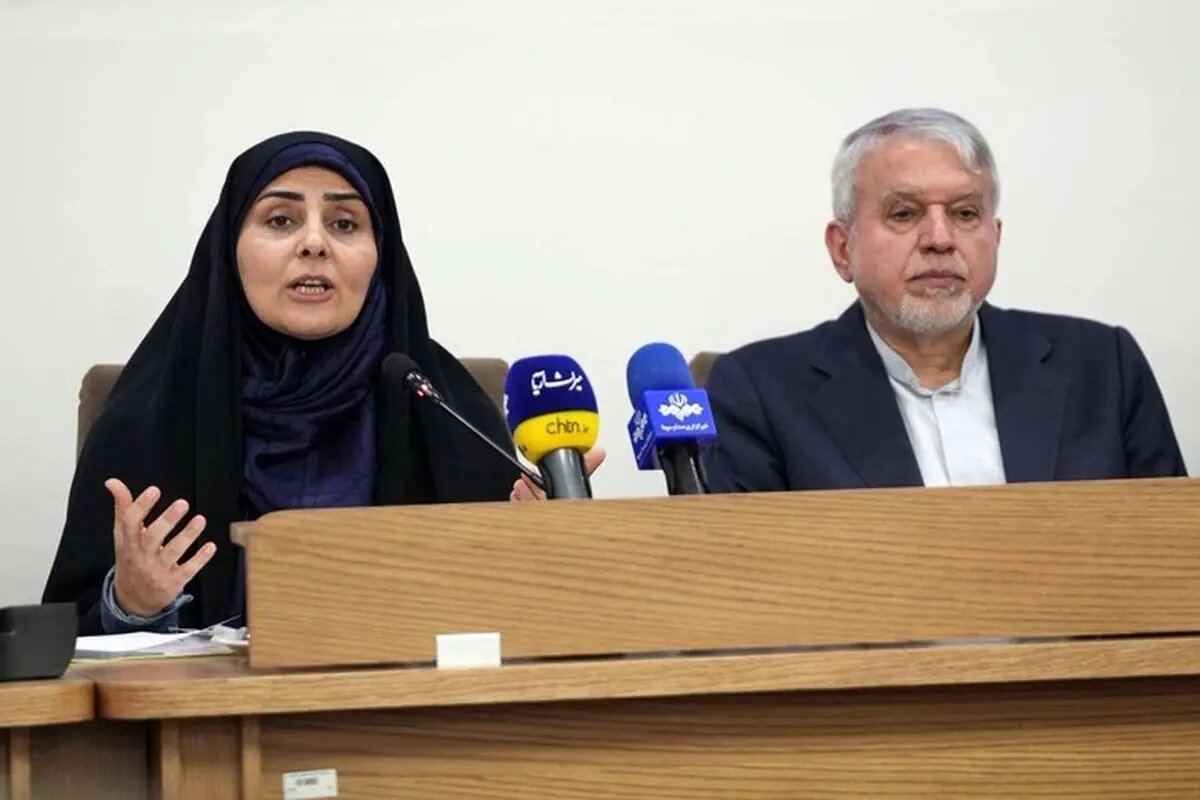
TEHRAN – Minister of Transport and Urban Development Farzaneh Sadegh called for stronger cooperation between the transport and tourism sectors to revitalize historic urban areas and improve public transport infrastructure to support the country’s tourism industry.
In a joint meeting with the Minister of Cultural Heritage, Tourism and Handicrafts, Mr. Sadegh emphasized that the missions of both ministries are intertwined and stressed the need to make full use of the legal framework to promote sustainable tourism.
“Cultural heritage belongs to all the people of this land. It is our national identity and the preservation of historic areas should be on the agenda,” Sadegh said, adding that efforts need to be stepped up to bring life back to historic areas, which occupy less than 5 percent of urban space but are often cited as a challenge for cities.
Furthermore, she reiterated the importance of distinguishing between historical and dilapidated areas, noting that these areas represent the essence of Iranian culture and should be revitalized rather than abandoned. “We can’t wait for disaster to strike and erase the historic character of each building,” she says.
Elsewhere in his remarks, Mr. Sadegh pledged to assist the Ministry of Culture and Heritage in drafting professional plans and regulations in line with its objectives, and called for the rapid implementation of joint projects, increased funding and increased support for the private sector.
The Minister emphasized the role of rural tourism and the importance of accommodation in historic areas, and also noted recent advances in tourism, cultural heritage and handicrafts under the current government.
Turning to international connectivity, Sadegh announced that direct flights with Azerbaijan, Pakistan and Armenia have increased in the past four months, and further expansion is being discussed, including possible cooperation with foreign airlines.
He also noted the recent opening of a pilot sea tourism route between Muscat and Iran’s Chabahar, and the doubling of Arbaeen pilgrimage traffic on the sea route from Khorramshahr to Basra this year.
Sadegh added that current regulations allow the import of passenger buses and cruise ships to ease road congestion, especially along the Northern Coastal Corridor. “The Ports and Maritime Authority stands ready to fully support these efforts,” she added.
The Minister highlighted the growing interest of domestic and foreign investors in Iran’s tourism potential and proposed the establishment of a joint task force across the road, rail and aviation sectors to reflect progress in the cultural heritage and tourism sectors.
“Our airports, terminals, railway stations and border crossings can act as living museums, gateways to Iran’s beauty and culture,” Sadegh said, referring to requests to display handicrafts and tourist attractions. He then called for a joint meeting to accelerate such coordination.
He concluded by expressing the hope that continued cooperation and comprehensive support will help turn Iran into a major global destination for domestic and international tourists.
morning