
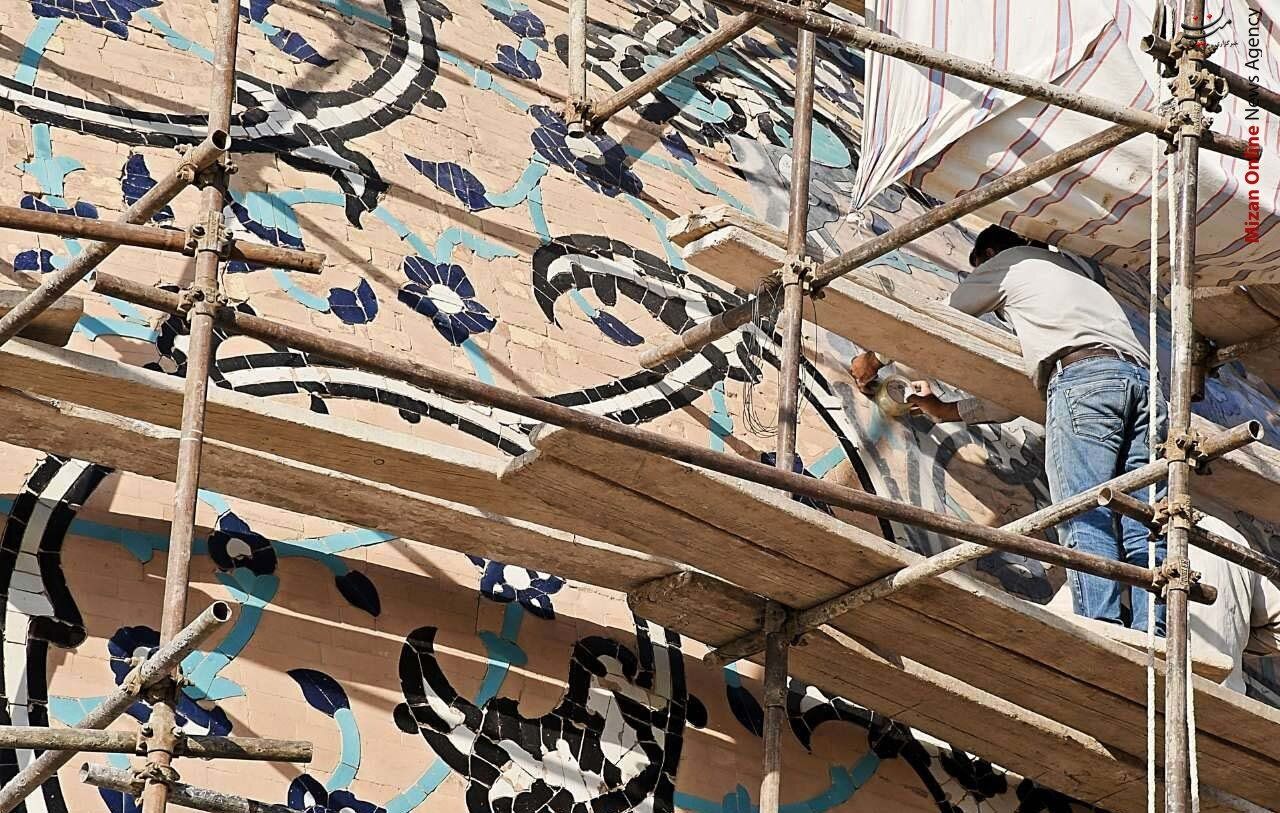
TEHRAN – A restoration school aimed at researching materials science and introducing modern analytical techniques related to the preservation of cultural heritage has been inaugurated at the Iranian Institute of Cultural Heritage.
At the opening ceremony held on Sunday, Reza Rahmani, Director of the Satellite Institute for the Protection and Restoration of Cultural and Historical Works, emphasized the important role of professional training in revitalizing the country’s vast cultural heritage.
“Our mission is based on promoting professional education and transmitting practical knowledge. We aim to build a bridge between theoretical understanding and practical experience and establish practical training as the lifeblood of cultural heritage conservation,” Rahmani said.
Highlighting the institute’s accumulated expertise, Rahmani said cultural heritage is the “beating heart of national identity” and applied education serves as the lifeblood that maintains its vitality. He also expressed readiness to work with universities and science centers to organize more focused, skills-oriented courses to ensure a sustainable link between academic learning and practical skills.
Farmaz Rostami-Cherati, executive director of the School of Restoration, outlined that the program’s focus is on “exploration of material science and familiarity with contemporary analyzes related to cultural heritage.” This curriculum introduces professionals to the latest scientific techniques for analyzing materials, compounds, and advanced analytical techniques.
Rostami Cerati explained that the main topics will include the role of scientific tools in environmental management and the study of museum artifacts, experimental techniques to maintain optimal preservation conditions, and material identification of historical artifacts.
He added that innovative analytical methods such as X-ray diffraction (XRD) and X-ray fluorescence (XRF), the application of biological and genetic sciences in archaeology, and advances in protective materials and gemology are among the central themes.
The Islamic Republic expects to benefit from its numerous tourist attractions, including bazaars, museums, mosques, bridges, baths, madrassas, mausoleums, churches, towers, and mansions, 29 of which are on UNESCO’s World Heritage List.
morning