
TEHRAN – Israel’s ongoing blockade of Gaza is in flagrant violation of international law and amounts to continued collective punishment of Palestinians.
Even amid a fragile ceasefire, the Israeli occupation regime deliberately limits aid to Gaza, keeps the Rafah border crossing closed, and intentionally subjects civilians to extreme deprivation.
UN officials have warned that this deliberate strategy violates not only the cease-fire agreement but also international law and is causing a humanitarian catastrophe that will affect all aspects of life in the territory after two years of genocidal war backed by the US.
Farhan Haq, deputy spokesperson for the UN Secretary-General, told Al Jazeera that Israel has not allowed 600 UN aid trucks into Gaza on a single day since the start of the ceasefire. “We want the Israeli authorities to allow more trucks at more intersections. We are making that clear,” Haq said.
However, the occupation regime continues to restrict access, leaving more than 2.2 million Palestinians trapped in deteriorating conditions.
Video collected by Reuters shows Israeli settlers blocking aid trucks near the Karem Abu Salem crossing, an Israeli military-controlled gateway through which limited aid is allowed in, described as a “drop in the ocean.”
Meanwhile, the Rafah crossing, the main corridor between the Gaza Strip and Egypt and the outside world, remains closed by the Israeli regime. This is disrupting the flow of essential medical equipment, food and fuel, and preventing the discharge of critically ill patients. The ceasefire agreement stipulated that the Rafah border crossing would be fully opened in the first phase.
Humanitarian organizations have warned that such restrictions amount to collective punishment and violate international law. The consequences are serious. Hospitals are operating on minimal electricity and dwindling supplies, forcing doctors to operate without anesthesia and sterilize instruments in dangerous conditions.
Overcrowded shelters and destroyed sanitation systems accelerated outbreaks of diseases such as respiratory infections, made worse by Israeli occupation forces’ use of white phosphorus during the genocide. The World Health Organization previously warned that Gaza’s health system was “on the verge of complete collapse”.
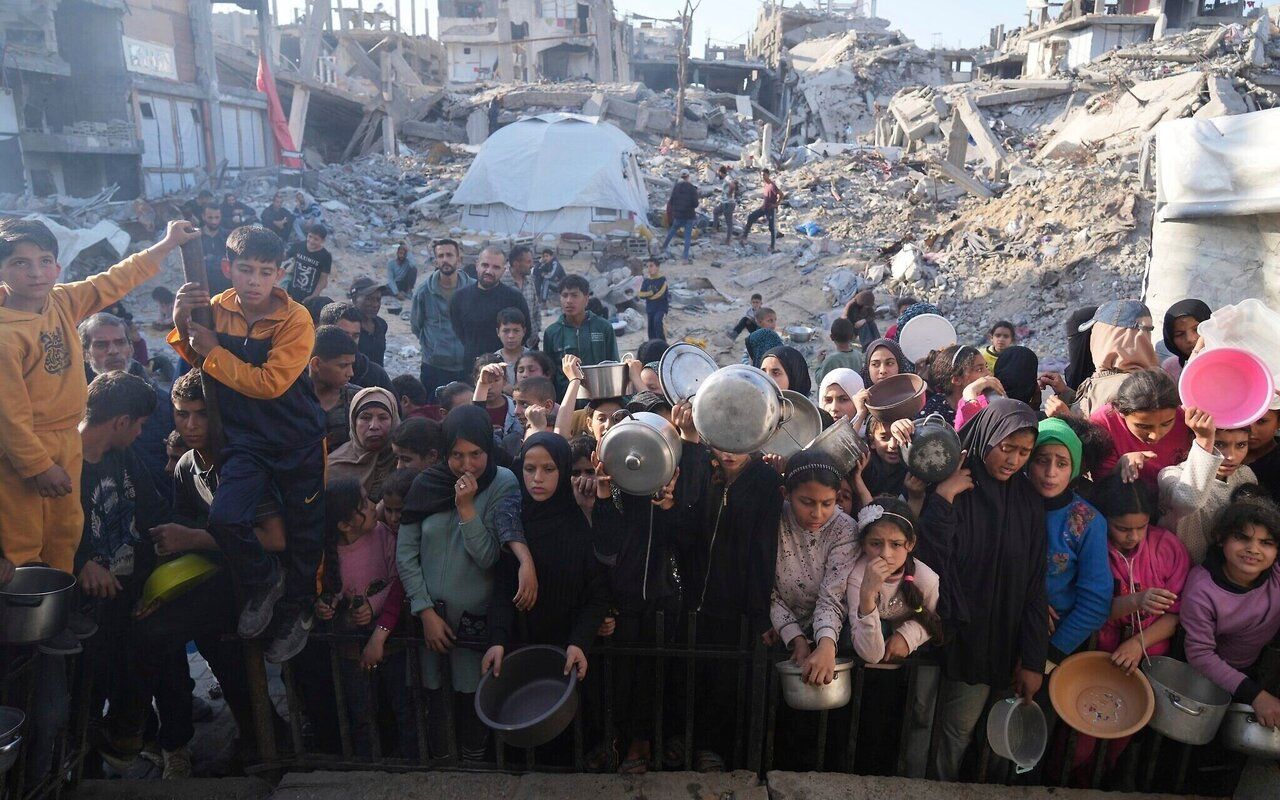
Starvation continues in northern Gaza, where hunger has already claimed lives and thousands more are at risk as aid remains blocked. Limited deliveries are hampering the transportation of flour, infant formula, and other basic food items. Experts estimate that more than 1,000 trucks are now needed each day to meet urgent needs, far exceeding the pre-genocide average.
Beyond health and food, other areas of Gazan society are similarly crippled. Schools and universities remain closed or damaged, depriving children of education and social development. Blockages in fuel and repair materials have crippled water and sanitation systems, exacerbating the risk of disease. As winter approaches, power shortages will affect hospitals, water pumps, refrigerators, and heating.
At least two children were seriously injured by unexploded ordnance in northern Gaza City on Friday.
The lockdown also devastated the economy. The price of basic food items is rising and families are struggling to make ends meet. Agriculture and fishing, critical to Gaza’s food security, remain paralyzed.
Human rights activists say the occupation regime’s measures are deliberate and violate both the armistice agreement and international law, including the prohibition on collective punishment. By controlling access to aid, the Zionist regime intentionally subjects Gaza’s residents to extreme deprivation and suffering, hindering their recovery and survival.
According to Médecins Sans Frontières (MSF), living conditions in southern Gaza are equally dire. In a written statement, the group said the destruction of civilian infrastructure and health systems by Israeli occupation forces, along with widespread displacement, has created a “perfect storm” of illness and disease.
“Israeli (regime) authorities should immediately allow large-scale humanitarian aid to freely flow into Gaza,” MSF stressed, adding that the regime’s “two-year genocidal campaign” has left Palestinians “traumatized, injured and exposed to dangerous elements as winter approaches.”
MSF also warned that unless water, sanitation, shelter and nutrition are urgently improved, more lives will be lost to entirely preventable causes.
The ongoing Israeli blockade not only threatens the immediate survival of the population, more than half of whom are children, but also threatens the long-term recovery and dignity of the Palestinian people.