
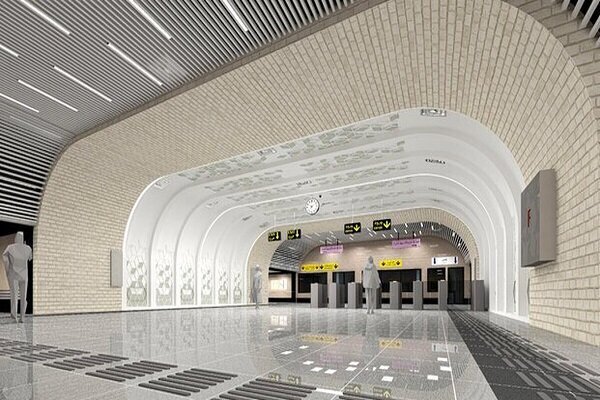
TEHRAN – Tourist maps have been installed at 14 stations of the Tehran Metro as part of a broader plan to introduce the city’s tourist attractions through the public transport network, the Tehran City Tourism Directorate announced on Saturday.
Tehran City Tourism Director Amir Qassemi said on Saturday that the initiative aims to improve passenger experience and promote city tourism by highlighting tourist attractions near metro stations.
“The plan to organize and introduce tourist attractions at metro stations was implemented to improve the travel experience of citizens and tourists and develop tourism in the city,” Qassemi said.
He added that planning for the metro-based city tour began about a year ago, during which time routes and major urban areas were identified. “We selected a station that has the potential to introduce nearby tourist attractions, and designed a specific tourist map for that station,” he said.
According to Qassemi, the first phase of the project targets 40 metro stations. Maps have been installed in 14 cities in Baharestan province, including Sadi, Darvazeh Daulat, Ferdowsi, Darvazeh Shemilan, Khayyam, Imam Khomeini, Hosseinabad, Panzda-e-Khordad, Mohamadiyeh, Moravi, Qiam, Shohada, and Merat.
The map shows the location of each station and the attractions, services and facilities within a 500 meter radius, allowing passengers and visitors to explore nearby destinations.
Elsewhere in his remarks, Qassemi said that a comprehensive tourist map of the entire Tehran metro system has also been completed and will be published soon. “This map will allow citizens to experience Tehran from a new perspective through the metro,” he said.
Tehran, the Islamic Republic’s bustling capital, beckons travelers with its vibrant culture, rich history and diverse attractions. From ancient palaces to modern skyscrapers, Tehran offers enchanting experiences that demonstrate the essence of Iranian tradition and hospitality. At the heart of the metropolis is Golestan Palace, a masterpiece of Persian architecture and a UNESCO World Heritage Site. Adorned with intricately decorated halls, lush gardens, and shimmering ponds, the castle serves as a window into Iran’s royal past, transporting visitors to a bygone era of luxury and grandeur. For those seeking panoramic views of the city, the Milad Tower stands as a symbol of Tehran’s modernity and progress. Rising 435 meters above the skyline, this iconic tower offers visitors a breathtaking perspective of Tehran’s vast metropolis, with an observation deck offering unobstructed views of the surrounding mountains and cityscape.
Delving deep into Tehran’s cultural heritage, the National Museum of Iran takes visitors on a journey through thousands of years of history and civilization. From ancient artifacts to Islamic art to contemporary exhibits, the museum’s extensive collections offer a comprehensive glimpse into Iran’s rich cultural tapestry, from prehistory to the present day.
Tehran’s vibrant bazaars, such as the Grand Bazaar and Tajrish Bazaar, are a veritable treasure trove of local craftsmanship, delicious cuisine, and vibrant street life.
As well as architectural wonders and cultural attractions, Tehran boasts a thriving arts scene, including galleries, theaters, and performance venues that showcase the creativity and talent of Iranian artists. From contemporary art exhibitions to traditional music concerts, Tehran offers a dynamic cultural landscape that captivates and inspires visitors from all over the world.
morning