
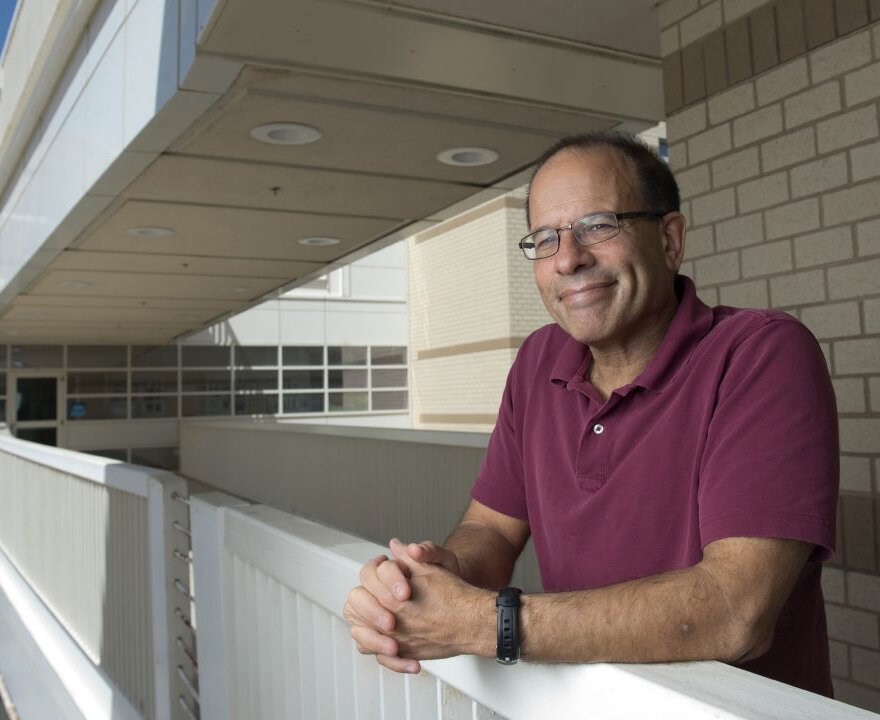
TEHRAN – David S. Meyer, professor of sociology, political science, and urban planning at the University of California, Irvine, opened up about the ongoing “No Kings” protests and the potential impact of Donald Trump’s policies in an exclusive interview with the Tehran Times.
Meyer, an expert on social movements and political change, will discuss the motivations behind the widespread protests, growing dissatisfaction with the political establishment, and the possible direction of U.S. domestic and foreign policy under the second Trump administration.
His insights provide a critical analysis of the current political climate, highlighting the evolving dynamics of protest movements and their ability to influence national policy and global relations.
The text of the interview is below.
How are the “No Kings” protests different from previous anti-Trump and anti-executive power movements in terms of organization and framework?
I don’t know if there’s anything completely new about these protests against Trump that wasn’t expected over the past decade or so. No Kings provided a large tent for activists with various grievances. This time, many incorporated patriotic symbols such as the flag, oath, and constitution.
What are the main grievances driving mass mobilization against the Trump administration for a second term?
Like the first No Kings demonstration earlier this year, the second series of demonstrations did not focus on just one identified abuse of power. Rather, organizers allowed local activists to focus on one of their grievances.
There is good reason to fear that President Trump’s disregard for lower court rulings could lead to democratic backsliding.
How did political opponents’ labeling of protests as “anti-American” influence protest tactics?
Such labeling of political opponents is familiar as authorities seek to discredit protesters. But President Trump was deeply unpopular, and millions of people took to the streets in demonstrations across the United States. They looked like a cross-section of Americans and were overwhelmingly peaceful. Some held American flags.
What unique dangers does the current situation in the United States pose regarding executive overreach, and how do the “No Kings” protests exemplify and challenge theories of democratic backsliding?
Trump is, as far as I know, the first president to be blatantly indifferent to caring for Americans who may not vote for him. He’s trying to become president for his fans, but that’s dangerous.
He is largely ignorant and indifferent to constitutional constraints, and so far Congressional Republicans have tried to force him to do whatever he wants. There is good reason to fear setbacks as the president ignores rulings from Congress and lower courts.
Do you think movements like “No Kings” have the potential to bring about structural changes in executive power?
Large demos are important, but not in and of themselves, and usually not immediately. No Kings indicated that many Americans oppose key elements of President Trump and are ready to take action. This could embolden allies and punish Trump’s allies. Everything depends on how the opposition continues and which allies it can attract.
Attacking protesters, even rhetorically, risks overreach and backlash. The large crowds at Norking’s event highlight those risks.